Alerts

-
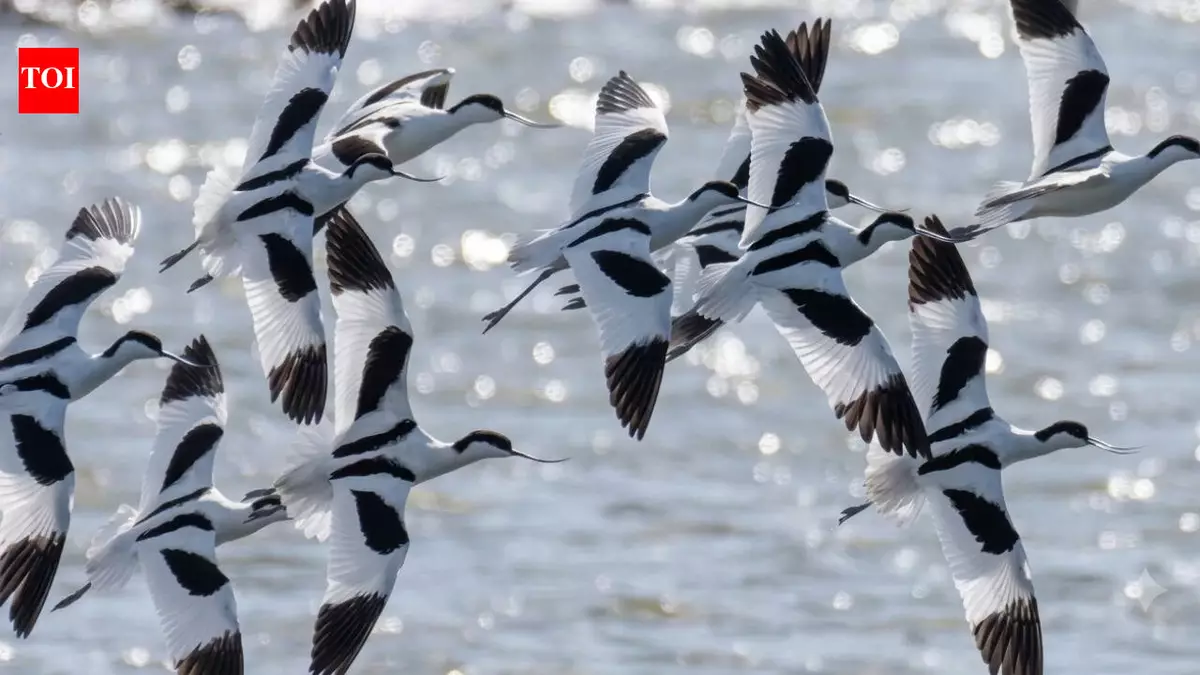
More than three million tonnes of soil excavated for London’s Elizabeth line were transported to Wallasea Island in Essex to help create coastal wetlands. Ten years after seawalls were breached, the restored RSPB reserve has recorded a record 39,000 wintering birds, including thousands of Knot, Avocets, Grey Plovers and Bar-tailed Godwits.
More than three million tonnes of soil excavated for London’s Elizabeth line were transported to Wallasea Island in Essex to help create coastal wetlands. Ten years after seawalls were breached, the restored RSPB reserve has recorded a record 39,000 winteri...
It was published on October 2, 2026 on Semasocial.
It was written by Times of India on Semasocial.








Comment