


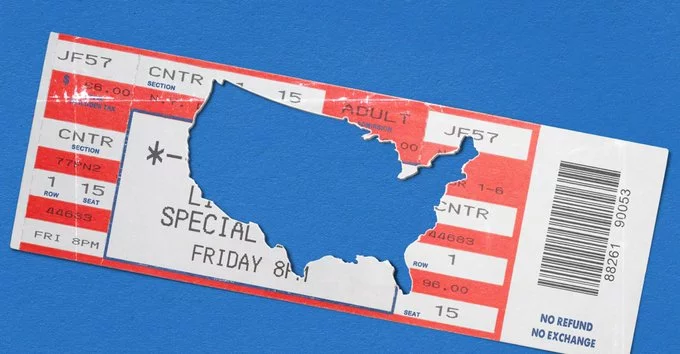
Live Nation Antitrust Trial Exposes Concert Industry Power
-
7 minutes, 19 seconds
Live Nation Antitrust Trial Exposes Concert Industry Power
The Live Nation antitrust trial has pulled back the curtain on how the modern concert industry operates. Government prosecutors and industry insiders claim the entertainment giant used its influence to pressure venues and block competitors from gaining ground. Testimony from executives suggests that some venues feared losing major concerts if they abandoned Live Nation’s ticketing system. As the case unfolds, it could reshape how concerts are booked and how fans buy tickets in the future.
Allegations of Market Control in the Live Music Industry
At the heart of the lawsuit are claims that Live Nation used its dominance to control the live entertainment market. The company promotes concerts, manages artists, and operates ticketing platforms, giving it enormous influence across the industry. Critics argue this vertical integration creates a powerful system that competitors struggle to challenge.
During court proceedings, prosecutors described an environment where venues felt pressure to stay within the company’s ecosystem. Switching to a rival ticketing provider could potentially jeopardize their access to major touring acts. For many stadiums and arenas, losing high-profile concerts could mean a major financial hit.
Live Nation has strongly denied these allegations. Company representatives argue that success comes from providing better services to artists and venues rather than from intimidation or retaliation. Still, testimony presented in court suggests the perceived risk of retaliation may have influenced business decisions throughout the industry.
SeatGeek CEO Describes “The Concert Issue”
One of the most notable moments in the trial came from the testimony of the CEO of SeatGeek, a competing ticketing platform. The executive explained how negotiations with a major sports franchise nearly collapsed because of concerns about Live Nation’s reaction.
According to the testimony, the team worried that replacing the dominant ticketing provider could lead to fewer concerts at its stadium. Concerts often generate huge revenue streams for venues through ticket sales, concessions, and merchandise. Losing that income could significantly impact a venue’s finances.
Despite the concerns, the deal eventually moved forward. The partnership was announced publicly in 2018 and became a major milestone for the competing ticketing company. However, the story illustrates how powerful the “concert issue” was in negotiations across the industry.
Fear of Retaliation Becomes Central Theme
A recurring theme in the trial has been the fear of retaliation from Live Nation’s concert promotion arm. Multiple witnesses suggested that promoters could withhold tours from venues that switched ticketing providers. Even the possibility of such action created hesitation among venue owners.
Some venues reportedly believed the safest choice was to remain with the dominant ticketing platform rather than risk losing access to popular artists. These fears, whether real or perceived, played a key role in shaping the competitive landscape.
Prosecutors argue that this environment discouraged competition and prevented smaller ticketing companies from expanding. By keeping venues tied to its platform, the company allegedly reinforced its already dominant position.
“Retaliation Insurance” and Industry Tensions
The trial also revealed unusual strategies competitors considered to counteract these fears. According to testimony, some companies discussed offering financial protection to venues worried about potential retaliation. The idea was to reassure partners that they would not suffer severe losses if concerts disappeared.
Even with such proposals, convincing venues to switch providers proved difficult. Concert bookings represent one of the largest revenue drivers for stadiums and arenas. Few organizations wanted to gamble with that income.
These dynamics highlight how tightly connected ticketing, promotion, and venue relationships have become in the modern concert economy. Breaking into that system remains one of the biggest challenges for new players.
Possible Settlement Could Change the Industry
Reports suggest the legal battle could end in a settlement rather than a dramatic corporate breakup. Government officials initially raised the possibility of splitting parts of the business apart to restore competition. However, negotiations appear to be moving toward a different solution.
If a settlement is reached, it could introduce new rules limiting how the company negotiates with venues and promoters. Regulators may push for policies designed to ensure fair competition in ticketing and concert promotion.
State governments involved in the case will also play a role in determining whether those terms go far enough. Some states could choose to continue pursuing stronger legal action if they believe competition remains restricted.
What the Trial Means for Fans and Venues
While the courtroom battle focuses on corporate practices, the outcome could affect millions of concertgoers. Ticket prices, availability, and purchasing platforms are all tied to the structure of the live entertainment industry.
If regulators succeed in opening the market to more competition, fans could see improvements in ticketing systems and pricing transparency. New platforms might also bring innovations designed to reduce bots, scalping, and service fees.
For venues and artists, the case raises broader questions about how concerts are booked and promoted. The trial highlights a growing debate over whether one company should hold so much influence across multiple parts of the live entertainment ecosystem.
As testimony continues and settlement talks evolve, the Live Nation antitrust trial is quickly becoming one of the most significant legal battles the concert industry has ever faced. Its outcome could reshape the business of live music for years to come.



Contact Information




Suggested Writers
-

2.5K articles
-

1.3K articles
-

34 articles
-

28 articles


Comment