Alerts

-
4 minutes, 3 seconds
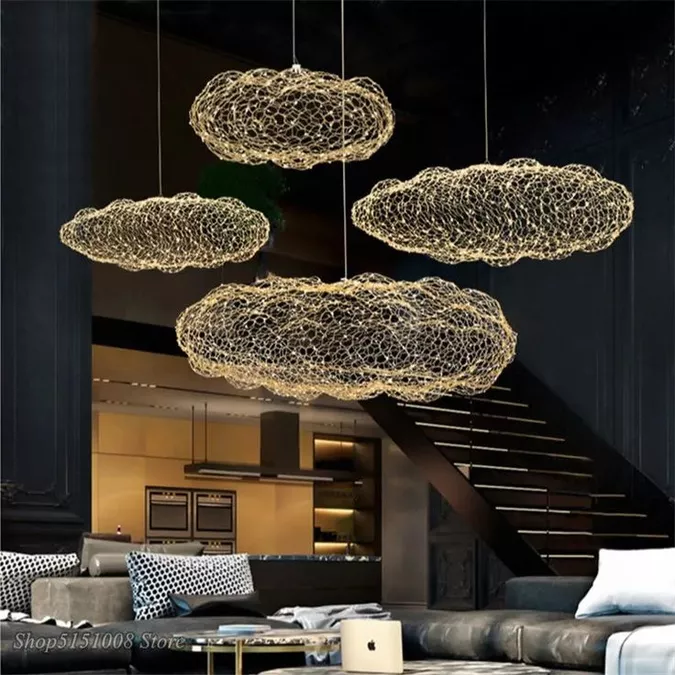
A majlis has a distinctive social role. It is a place for conversation, hospitality, gathering, and extended visits. The lighting therefore needs to feel welcoming without becoming overly bright or formal.
Modern interpretations of the majlis often combine traditional proportions with contemporary furniture, neutral materials, statement surfaces, and carefully selected decorative elements. Lighting can connect these influences beautifully.
Rather than filling the room with fixtures, consider how light can shape the experience of sitting, talking, and entertaining.
A generous majlis can support a substantial decorative fixture.
However, size should be determined by the room's dimensions and ceiling height rather than by the desire to create maximum impact.
High ceilings provide greater freedom for suspension and sculptural forms. Lower ceilings require more compact solutions.
Modern Chandeliers/ثريات مودرن can work particularly well where the architecture provides enough vertical space, allowing the fixture to become part of the room's identity.
The furniture layout should be the starting point.
A central seating arrangement naturally suggests a focal point above or around it.
A suspended decorative fitting can define the middle of the room, while softer sources around the perimeter prevent the space from becoming dependent on one central light.
The objective is to establish hierarchy.
A majlis benefits from illumination that feels close to people.
Small lamps positioned on side tables or consoles can create warm pools of light around the seating arrangement.
Avoid placing extremely bright sources directly above people's faces.
Soft, indirect illumination generally creates a more comfortable environment for long conversations.
Modern majlis interiors often combine several finishes.
Stone, timber, metal, glass, textiles, and patterned surfaces can all respond differently to light.
Metallic details can catch a controlled glow.
Textiles absorb and soften light.
Polished stone can reflect it.
This interaction creates richness without requiring additional decoration.
If the room contains arches, niches, wall panels, columns, or decorative screens, use accent illumination to bring selected features forward.
A narrow beam can reveal texture.
Concealed illumination can create a soft wash.
The best choice depends on the surface and desired mood.
A ceiling is often treated purely as a place for fixtures.
In a majlis, it can become part of the visual composition.
Indirect lighting around ceiling recesses or architectural details can create a gentle glow without exposing the light source.
This is particularly useful when the goal is elegance rather than visual clutter.
A single brightness level throughout the room can flatten the atmosphere.
Combine general illumination with accent and decorative sources.
A practical arrangement might include:
General ceiling illumination
Accent lighting for architecture
Decorative lamps near seating
These layers can be controlled independently.
Portable lamps provide flexibility.
They can be repositioned when furniture changes or moved to different areas during gatherings.
Luxury Table Lamps can introduce a refined decorative note while providing a lower, softer source of illumination.
The lamp should relate to nearby materials without needing to match everything exactly.
Mixing dramatically different shades of white can make a carefully designed room appear disjointed.
Warm illumination generally works well in social spaces intended for relaxation.
Daylight can hide problems.
Switch off unnecessary natural-light assumptions and observe how the room actually feels at night.
Check whether the seating area is comfortable, whether the centrepiece is too bright, and whether darker corners need gentle support.
A majlis may serve different purposes throughout the evening.
A brighter setting can support arrival and movement. A lower setting can create a more intimate environment during conversation.
Dimming allows one room to accommodate both.
A majlis already contains visual information through seating, fabrics, artwork, accessories, and architecture.
Lighting should organise those elements rather than compete with them.
Choose the feature that deserves the greatest attention.
It might be the ceiling, a central chandelier, a textured wall, or a particular artwork.
Supporting fixtures should remain visually quieter.
A modern majlis becomes more inviting when lighting is designed around people rather than fixtures. Use the seating arrangement to establish the centre, choose decorative pieces according to the architecture, and introduce lower-level illumination to create intimacy. Accent lighting can reveal textures and architectural details, while concealed sources can soften the ceiling. The strongest scheme is rarely the brightest one. It is the one that gives guests enough visual comfort while creating a relaxed atmosphere suited to conversation, hospitality, and memorable evenings.





Comment