
-
5 minutes, 50 seconds
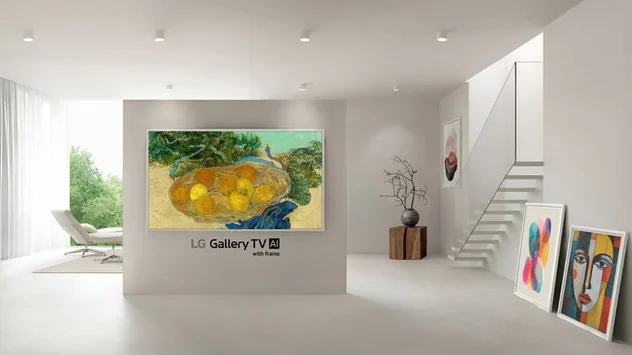
Announced ahead of CES 2026, the new LG Gallery TV AI blends wall-mounted art aesthetics with smart TV features and gallery-style artwork. Many shoppers are asking whether it uses OLED, how it compares to Samsung’s Frame, and whether it’s worth the premium price. The short answer is surprising: LG chose mini-LED instead of OLED. That single decision changes the entire conversation around this TV. While the design looks high-end and minimalist, the panel choice may leave enthusiasts conflicted. LG’s move signals a strategic shift toward lifestyle appeal over raw picture performance. For buyers prioritizing décor-first TVs, this could still be compelling. For OLED loyalists, expectations may need adjusting.
The television features a slim, picture-frame profile meant to sit flush against the wall, mimicking framed artwork rather than a traditional screen. When not in use, gallery mode displays paintings, photography, or ambient visuals that blend seamlessly into living spaces. LG pairs this with access to its Gallery+ service, offering curated digital art similar to Samsung’s Art Store. The exterior finish and minimal bezels clearly target design-conscious households. From a distance, it succeeds at looking like wall art rather than consumer electronics. This aesthetic approach aligns with growing demand for TVs that complement interior design. Visually, LG gets the lifestyle part right.
Instead of its industry-leading OLED technology, LG opted for mini-LED across both the 55-inch and 65-inch models. Mini-LED allows for higher brightness and improved contrast over standard LED TVs, but it typically can’t match OLED’s perfect blacks. This decision stands out because LG dominates the OLED market and has built its reputation on that display tech. Previous LG mini-LED models have delivered mixed results compared to competitors. Choosing mini-LED here suggests cost control or burn-in concerns for always-on gallery displays. Still, the absence of OLED feels unusual for a premium LG product. For many buyers, this will be the deciding factor.
The TV integrates LG’s latest AI-powered picture and sound processing, designed to adapt visuals based on content and room lighting. Smart brightness adjustments help art and video content appear natural throughout the day. LG also includes voice assistant support and its latest webOS platform for streaming and smart home control. These software enhancements improve usability and everyday convenience. However, AI processing can only enhance what the panel is capable of displaying. Mini-LED improvements help, but they don’t replace OLED-level contrast. The experience may feel polished, just not groundbreaking.
Samsung’s Frame has long used QLED rather than OLED, positioning itself as décor-first rather than performance-first. LG appears to be adopting a similar philosophy with the Gallery TV. The difference is that consumers expect LG to lead with OLED, not avoid it. Samsung built its art-TV identity around non-OLED displays from the beginning. LG’s late entry into this category makes the choice feel more jarring. Buyers cross-shopping these models may now focus more on pricing and art subscriptions than display superiority. That subtly shifts LG into Samsung’s lane instead of challenging it.
For users who want a TV that disappears into their living room when not in use, the Gallery TV delivers on style and presentation. The gallery mode, slim profile, and curated artwork make it a strong lifestyle product. However, home theater enthusiasts expecting OLED-level visuals may feel underwhelmed. LG’s decision prioritizes form over flagship picture quality. Whether that trade-off pays off will depend on pricing and real-world performance. As lifestyle TVs gain momentum, LG is clearly testing a new direction. The Gallery TV feels bold, polished, and controversial—all at once.

2.6K articles

1.4K articles

34 articles

28 articles













Comment