
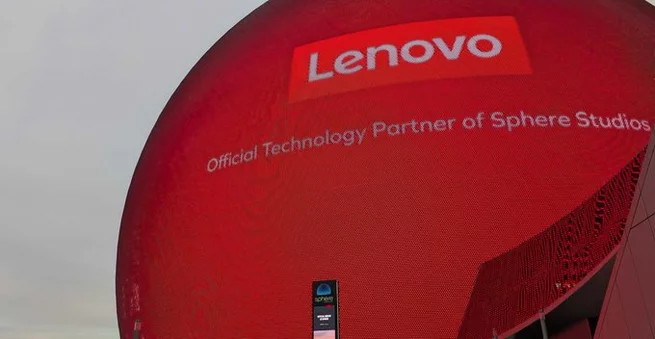
Lenovo AI Assistant Qira Debuts at CES 2026
Lenovo AI assistant Qira is the company’s boldest move yet to make artificial intelligence more personal, proactive, and useful. Unveiled at CES 2026, Qira is designed to work across Lenovo laptops and Motorola smartphones, acting as a system-level assistant rather than a standalone app. Many users are asking what Qira does, where it runs, and how it’s different from existing AI tools, and Lenovo’s answer is simple: it’s built to act on your behalf. Instead of just responding to prompts, Qira is meant to anticipate needs, manage tasks, and coordinate actions across devices. Lenovo positions it as a digital companion that lives quietly in the background. The goal is less friction and fewer steps for everyday computing. This announcement immediately stood out amid a crowded AI news cycle.
Why Lenovo’s AI Strategy Matters More Than You Think
Lenovo’s role in the AI race is unique because of its massive global hardware footprint. As the world’s largest PC maker by volume, Lenovo ships tens of millions of devices each year to consumers, businesses, and governments. That scale gives the company unusual influence over how AI shows up in daily life. While most AI headlines focus on model builders and cloud platforms, Lenovo sits directly in front of users. What it bundles and enables can shape mainstream AI adoption faster than many software-only players. Qira reflects this leverage clearly. Lenovo isn’t just experimenting with AI features; it’s redefining the default experience on its devices.
Qira Is Built to Work Across Devices
One of Qira’s defining features is its cross-device design. Lenovo says the AI assistant will seamlessly connect Lenovo laptops with Motorola smartphones, creating a shared intelligence layer. Tasks can start on one device and continue on another without manual handoffs. This approach targets a common frustration with current assistants that feel siloed. Qira is positioned as system-level software, not just another chatbot window. That distinction matters for deeper integrations like notifications, scheduling, and contextual awareness. Lenovo believes this unified experience is key to making AI feel genuinely helpful. It’s a clear push toward ambient computing.
Inside Lenovo’s Internal AI Reset
Qira didn’t emerge by accident, according to Lenovo’s head of AI product, Jeff Snow. Less than a year ago, Lenovo reorganized its internal teams to centralize AI development under a software-focused group. Previously, AI efforts were scattered across individual hardware units like PCs, tablets, and phones. This structure made coordination difficult and slowed progress. Centralizing AI signaled a cultural shift for a company long optimized around hardware supply chains. Lenovo effectively acknowledged that AI needed first-class status. Qira is the most visible outcome of that decision so far.
Avoiding Exclusive AI Partnerships on Purpose
Unlike some competitors, Lenovo is deliberately avoiding a single exclusive AI partner. Snow says the company wants flexibility as models, platforms, and regulations continue to evolve. This strategy also reflects lessons learned from earlier experiments, including Moto AI and industry missteps like Microsoft’s Recall feature. By staying model-agnostic, Lenovo can adapt faster and reduce long-term risk. It also allows Qira to integrate multiple AI systems depending on use case. This approach may appeal to enterprise customers wary of lock-in. Lenovo is betting that openness will age better than exclusivity.
What Qira Signals About the Future of AI PCs
Qira represents more than a new feature; it signals Lenovo’s vision for the next generation of AI-powered devices. The company sees AI as an always-on layer that enhances productivity without demanding attention. Rather than flashy demos, Lenovo is emphasizing practical, behind-the-scenes assistance. This aligns with growing skepticism around overhyped AI PCs. Qira’s success will depend on trust, reliability, and real-world usefulness. If Lenovo delivers, it could redefine expectations for system-level AI. For now, Qira stands as one of CES 2026’s most consequential announcements.










Comment