
-
8 minutes, 0 seconds
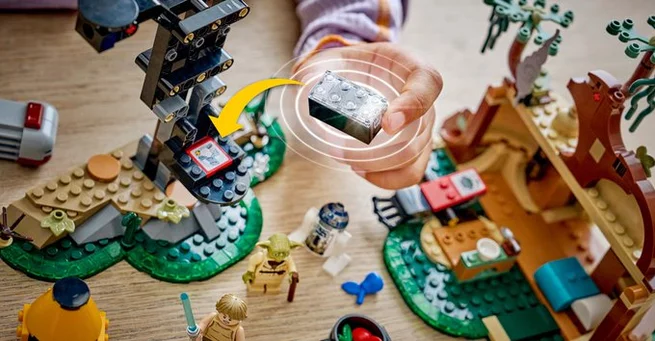
Searching for what the Lego Smart Brick is, which sets include it, and whether it’s worth buying? Lego’s latest innovation brings smart technology into physical toys, blending NFC, audio features, and interactive storytelling into select Star Wars sets. The Smart Brick acts like a tiny computer hidden inside a classic 2x4 block, unlocking immersive experiences for collectors and younger fans alike. With eight compatible sets at launch, this could mark a major shift in how physical toys evolve in the smart era.
The new Smart Brick from Lego packs surprising tech into a familiar form. Inside the classic brick design sits a miniature computer, microphone, and NFC capabilities that enable interactive play. When placed into compatible sets, the brick can trigger sounds, story moments, and reactions from smart minifigures.
Unlike traditional Lego builds, this innovation focuses on storytelling and dynamic play rather than static display. Kids can interact with characters and environments in real time, while collectors gain a more immersive experience. It’s a clear sign that Lego is leaning into hybrid physical-digital play trends shaping the toy industry.
The Smart Brick already made waves after winning “Best in Show” at CES 2026. That recognition alone signals strong industry interest in merging tactile building with smart tech. Unlike earlier experiments with companion apps, this feature works directly inside the brick ecosystem.
Many smart toys rely heavily on screens, but Lego’s approach keeps the focus on physical creativity. The Smart Brick integrates naturally into builds, allowing storytelling without requiring a phone or tablet at every step. This balance could make it appealing for parents who want less screen time while still embracing modern innovation.
At launch, eight sets tied to the Star Wars universe support Smart Brick features. However, not all of them include the brick itself. Some sets come fully equipped, while others are simply “Smart Play compatible,” meaning you’ll need to already own a Smart Brick.
This split approach allows Lego to offer a lower entry price while encouraging expansion purchases. It also lets fans gradually build their smart ecosystem without replacing their entire collection.
Three premium sets include at least one Smart Brick out of the box, making them ideal starting points.
Luke’s Red Five X-Wing delivers a mid-range entry with interactive minifigures and multiple NFC tags that unlock character-based responses. The set balances collectibility and play value, making it appealing for longtime fans.
Darth Vader’s TIE Fighter offers the most affordable entry into Smart Brick play. It includes one Smart Brick and focuses heavily on character-driven interactivity, making it a strong choice for newcomers.
Throne Room Duel and A-Wing stands as the flagship bundle. With two Smart Bricks included, it enables multi-character interactions and layered storytelling moments. This set is clearly designed for enthusiasts who want the full experience.
Not every compatible set ships with a Smart Brick. Several builds include NFC tags and smart minifigures but require you to bring your own brick. This “BYOB” (Bring Your Own Brick) approach lowers initial prices while still offering expandable play.
These sets act as modular expansions rather than full experiences. If you already own a Smart Brick, they significantly increase replayability. For first-time buyers, however, they may feel incomplete without the core hardware.
One of the biggest upgrades comes from smart minifigures. These figures can interact with the Smart Brick using NFC, triggering sound effects, dialogue, and unique reactions. Instead of static characters, you get evolving storylines that respond to your setup.
This makes the experience feel closer to a playable narrative rather than a traditional toy. For kids, it adds excitement and unpredictability. For adult fans, it enhances nostalgia with modern storytelling layers.
Smart Brick-enabled sets range from affordable entry points to premium collector bundles. The lowest price tier gives fans access to the technology without a huge upfront cost. Higher-end sets justify their price with multiple bricks and deeper interactivity.
Value ultimately depends on how you plan to use the sets. Casual builders may be satisfied with a single Smart Brick kit, while collectors and families may benefit from the expandable ecosystem. Lego seems to be positioning the Smart Brick as a long-term platform rather than a one-off gimmick.
Early impressions suggest the Smart Brick is more than a novelty. By embedding computing directly into the build, Lego has created a new category of interactive toys. It feels less like a temporary trend and more like a foundation for future product lines.
For fans of Star Wars, this launch is especially compelling. The franchise’s storytelling depth pairs perfectly with interactive features, making it an ideal testing ground for smart play innovation. If adoption grows, we could see this technology expand into other Lego themes.
The Lego Smart Brick signals a broader shift in the toy industry. Physical toys are no longer competing with digital experiences—they’re evolving to include them. By keeping creativity at the center while adding smart features, Lego has struck a careful balance.
Whether this becomes the future of Lego or remains a niche experiment will depend on fan adoption. But one thing is clear: the Smart Brick has already redefined what a Lego set can be. For builders looking to experience the next evolution of play, this may be the most exciting Lego innovation in years.

2.5K articles

1.4K articles

34 articles

28 articles














Comment