Alerts

-
7 minutes, 57 seconds
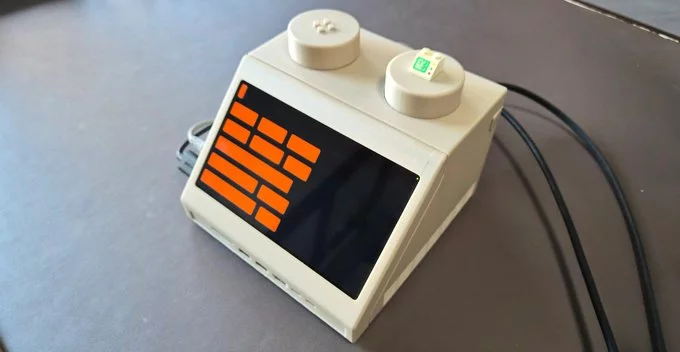
A Lego computer brick PC might sound like a playful concept, but a designer has turned the idea into a fully functional desktop computer. Inspired by a classic Lego piece from the late 1970s, the oversized device combines nostalgia with modern computing power. The result is a creative desktop setup that looks like a giant Lego brick while housing real hardware, a touchscreen display, and practical features designed for everyday use.
The project shows how retro design and modern technology can merge into something both fun and functional.
Nearly five decades ago, Lego introduced a distinctive computer console brick used in its early space-themed sets. The small plastic piece featured a printed display panel that suggested futuristic computer controls. For many Lego fans, it became an iconic symbol of retro sci-fi design.
Industrial designer Paul Staal decided to transform that classic design into a real computer. Instead of simply replicating the look, he created a desktop system that scales the original brick to about ten times its original size.
The finished device resembles the classic Lego piece almost perfectly, except now it houses working computer hardware. By blending playful aesthetics with practical functionality, the project turns childhood imagination into a working tech product.
Despite its toy-like appearance, the Lego computer brick PC is more than a decorative case. The system functions as a fully operational desktop computer built around a compact computer module.
The structure itself is mostly 3D printed, allowing anyone with access to a 3D printer to recreate the case at home. Inside the case sits a small but powerful desktop computer unit that powers the system.
To make the setup more versatile, the designer integrated several practical components:
A 7-inch IPS touchscreen display
An integrated USB-C hub
Multiple additional ports
An SD card reader
Custom controls and interface elements
These additions transform the oversized Lego brick into a practical workstation rather than just a novelty item.
One of the most impressive design touches is that the large Lego studs on top actually serve a purpose.
The left stud hides a remote control used to manage a wireless speaker system. This clever design allows users to control audio without needing an extra device on the desk.
The right stud hides a wireless charging pad, which can charge small devices such as earbuds. Despite these hidden features, the top still supports real Lego pieces, meaning users can attach figures or decorative bricks just like they would on a normal Lego set.
This blend of playful design and practical features gives the computer a unique personality that stands out from typical desktop PCs.
Unlike many concept builds, this Lego computer brick PC isn’t just a display piece. The creator actually uses it as his primary computer.
The integrated touchscreen adds another layer of functionality. Instead of acting solely as a secondary monitor, the display can run custom dashboards and interactive tools.
One of its current uses is acting as a smart home control panel, allowing quick access to connected devices. With just a tap on the screen, users can control lights, devices, and other smart home features.
This makes the computer both a workstation and a command center for connected technology.
The design also includes several small but thoughtful features that make the system easier to use in daily life.
The back of the unit features a built-in carrying handle, making it easy to move the computer around a workspace or home. There are also cord management hooks that allow cables to be wrapped neatly when the device is transported.
These details may seem minor, but they highlight the creator’s focus on practicality. Rather than building a purely aesthetic project, the design prioritizes everyday usability.
Projects like the Lego computer brick PC highlight a growing trend in the tech world: nostalgia-driven design.
Many technology enthusiasts grew up with toys, gadgets, and early computer designs that shaped their creativity. Reimagining those designs with modern technology taps into powerful emotional connections.
Retro-inspired hardware also stands out in a market filled with minimalist black or silver devices. A playful design like this instantly becomes a conversation piece while still serving a real purpose.
As a result, nostalgic tech projects often attract attention from both design enthusiasts and everyday gadget lovers.
Another reason this project has captured attention is the DIY accessibility behind it.
Because the case is largely 3D printed, hobbyists can potentially recreate the design themselves. The growing availability of home 3D printers means more people can experiment with custom computer builds.
This trend reflects a larger shift toward personalized hardware setups, where users customize not just the components inside their computers but also the appearance of the device itself.
For many creators, building a computer becomes a form of artistic expression as well as a technical project.
The Lego computer brick PC demonstrates how creativity can transform a simple childhood toy into a modern computing platform. By scaling up a classic Lego piece and adding functional technology, the project celebrates both retro design and modern innovation.
The system proves that computers don’t always need to follow conventional design rules. Sometimes, the most memorable devices are the ones that combine imagination with engineering.
For Lego fans, tech enthusiasts, and makers alike, the Lego computer brick PC is a reminder that the boundary between toy and technology can be surprisingly small.










Comment