
Trending
Trending Hashtags
Alerts
-
3 minutes, 47 seconds
How to Launch an Ecommerce Store Using AI
Building an ecommerce store using AI is now easier and faster than ever before. Whether you're a first-time entrepreneur or looking to scale your online business, AI-powered ecommerce tools offer intuitive ways to automate store creation, personalize customer experiences, and optimize business decisions. From website builders to AI-driven analytics, these tools eliminate many of the technical and financial barriers that previously slowed down store launches. So how do you actually use AI to launch your ecommerce store? This guide breaks it down step by step.
Getting Started with AI Ecommerce Platforms
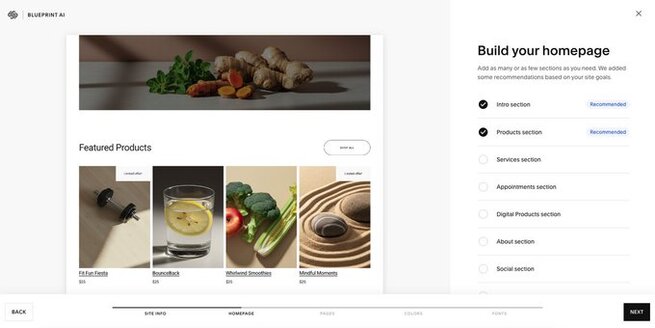
The first step in launching an ecommerce store using AI is choosing the right platform. Leading platforms like Shopify, Wix, and Squarespace now offer AI tools that help with product descriptions, design templates, and even logo creation. These tools remove the need for coding skills and streamline the entire store-building process. Some platforms even use AI to recommend site layouts based on your business category, saving you hours of manual setup. If you’re aiming for speed and efficiency, opt for platforms that offer AI integrations out of the box.
Using AI for Product Management and Marketing
Once your store is live, AI continues to provide value in managing your ecommerce business. Inventory management, pricing strategies, and customer segmentation can all benefit from automation. Tools like ChatGPT or Jasper help you write compelling product descriptions, while platforms such as Klaviyo use AI to automate email marketing campaigns. AI can also analyze customer behavior in real time, allowing you to tweak marketing messages and offers instantly. With AI, your store becomes more responsive and data-driven—crucial for long-term growth.
Avoiding Common Pitfalls with AI in Ecommerce
AI can supercharge your ecommerce success, but it’s not without limitations. Relying too heavily on automation without understanding your audience can lead to generic branding or poorly targeted campaigns. Additionally, AI tools depend on the quality of the data you provide. Always double-check content generated by AI for accuracy and tone. You should also remain informed about privacy and data compliance laws that affect AI usage in ecommerce, especially when dealing with international customers.
The Future of Ecommerce Stores Powered by AI
Launching an ecommerce store using AI is no longer a futuristic concept—it’s the present reality for thousands of businesses worldwide. With tools that design, write, analyze, and automate, entrepreneurs can focus on what matters most: serving their customers. The key to success lies in understanding what each AI tool offers and using them strategically. By combining creativity with technology, today’s ecommerce sellers can create standout online stores that adapt and grow in a rapidly changing digital landscape.










Comment