Alerts

-
5 minutes, 13 seconds
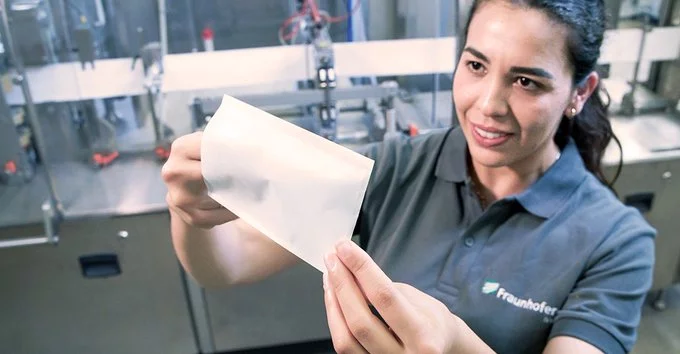
Laser paper packaging is emerging as a breakthrough innovation that replaces traditional glue with precision laser sealing technology. Searches for sustainable packaging solutions are increasing as companies look for cleaner, recyclable alternatives. The Papure project introduces a method that turns paper compounds into a natural adhesive when activated by lasers. This approach could significantly reduce plastic contamination and improve recycling efficiency across industries. In this article, we explore how laser sealing works, why it matters, and what it means for the future of packaging.
At the core of laser paper packaging is a process that replaces adhesive materials with focused laser energy. Instead of applying glue, manufacturers use controlled laser beams to activate compounds within specially treated paper. These compounds bond instantly under heat, creating a sealed edge without external chemicals. The process is highly precise, reducing waste and improving production speed. Because no liquid adhesives are involved, the packaging remains cleaner and easier to recycle. Early tests show that the laser sealing method can be integrated into existing manufacturing lines with minimal modification. This makes the technology attractive for large-scale adoption across consumer goods industries.
Papure project and natural adhesive innovation represent a shift toward more sustainable material science in packaging design. The project focuses on transforming paper-based compounds so they react under laser exposure, forming a natural bonding agent within the material itself. Unlike traditional glues, this adhesive does not require additional chemical processing or synthetic resins. Researchers believe this reduces environmental impact while maintaining strong structural integrity. The innovation also supports circular economy goals by making recycling streams cleaner and less contaminated. As demand for eco-friendly packaging grows, the Papure approach could become a blueprint for future manufacturing systems in multiple industries.
Future impact on global packaging and manufacturing highlights how laser-based sealing could transform supply chains worldwide. Industries ranging from food packaging to electronics are constantly seeking more efficient and sustainable methods. Laser sealing technology offers a pathway to reduce material waste while increasing production speed and consistency. If widely adopted, it could significantly lower dependency on petroleum-based adhesives. Experts suggest that this innovation may also reshape packaging design standards, encouraging manufacturers to prioritize recyclability from the start. However, widespread implementation will require investment in new machinery and workforce training. Despite these challenges, the long-term benefits appear substantial for both industry and environment.
The rise of laser paper packaging marks a significant shift in how industries approach sustainability and efficiency. By eliminating traditional adhesives, manufacturers gain a cleaner, faster, and more environmentally responsible production process. The Papure project demonstrates how material science can transform everyday packaging into a recyclable and intelligent system. As innovation continues, laser-based sealing methods may become standard across global manufacturing sectors. Businesses adopting these technologies early could benefit from reduced costs and stronger sustainability credentials. Consumers are also likely to notice improvements in packaging quality and recyclability in everyday products. Overall, this development signals a future where packaging is both functional and environmentally conscious at scale. This innovation also highlights the importance of cross-industry collaboration between engineers, material scientists, and manufacturers. Such collaboration is essential for scaling technologies that can replace long-standing industrial practices. As governments and regulators push for greener supply chains, adoption of laser sealing could accelerate globally. This may also influence packaging design standards, encouraging brands to rethink materials from the earliest production stages. Ultimately, laser paper packaging represents a balance between innovation, efficiency, and environmental responsibility. Its adoption could redefine how everyday products are packaged, shipped, and recycled across the world. As research progresses, the technology may become a cornerstone of next-generation sustainable manufacturing systems worldwide in global markets.









Comment