Alerts

-
7 minutes, 11 seconds
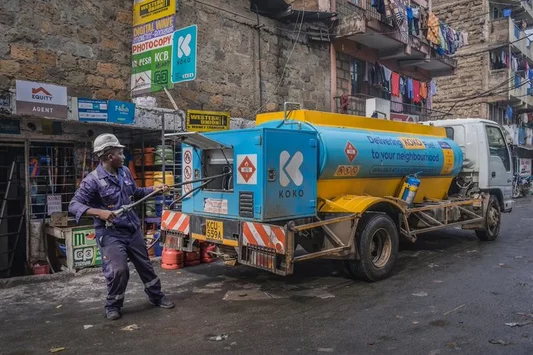
KOKO Networks shutdown has sent shockwaves through Kenya’s clean energy ecosystem, raising urgent questions about what went wrong, why operations stopped suddenly, and what this means for households relying on affordable bioethanol fuel. The Nairobi-based startup, once praised as a breakthrough solution for clean urban cooking, halted all operations with immediate effect. More than 700 employees lost their jobs overnight, while an estimated 1.5 million households were left without their primary cooking fuel. At the center of the crisis lies a regulatory standoff over carbon credit approvals.
The KOKO Networks shutdown was triggered by a prolonged dispute with the Kenyan government over carbon credit authorization. According to multiple accounts close to the matter, the company was unable to secure a mandatory Letter of Authorisation required to sell carbon credits internationally. Without this approval, KOKO could not legally monetize the emissions reductions generated by its clean cooking model. This effectively pulled the financial foundation out from under the business.
Employees were informed via internal communication not to report to work, with contracts terminated immediately. The abruptness of the decision stunned staff and customers alike, especially given KOKO’s highly visible presence in major cities. For many urban households, KOKO fuel had become a daily necessity rather than an optional alternative.
KOKO Networks built its model around climate finance rather than traditional fuel margins. By replacing charcoal and kerosene with bioethanol, the company generated measurable emissions reductions. These reductions were converted into high-quality carbon credits and sold to international buyers operating under global aviation and climate compliance frameworks.
Revenue from carbon credit sales allowed KOKO to subsidize fuel prices for consumers. Bioethanol was sold at roughly KES 100 per liter, about half the prevailing market price. This made clean cooking accessible to low- and middle-income urban households, while also delivering environmental and public health benefits.
Once carbon credit monetization was blocked, the subsidies collapsed. Insiders say the numbers no longer worked, making continued operations financially impossible.
The regulatory issue behind the KOKO Networks shutdown centers on Article 6 of the Paris Agreement. Under this framework, carbon credits sold abroad require approval from the host government to prevent double counting of emissions reductions. The Letter of Authorisation formally confirms that the government will not claim those reductions toward its own national climate targets.
In KOKO’s case, the approval was never granted. Without it, the company was legally unable to sell its carbon credits to foreign buyers. Sources familiar with board discussions say executives warned that failure to resolve the issue would lead to immediate insolvency. Ultimately, that warning became reality.
The fallout from the KOKO Networks shutdown was felt almost instantly. Across Nairobi, Mombasa, and other urban centers, thousands of KOKO fuel ATMs went offline. These automated dispensing points had become a core part of daily life for many families, offering predictable pricing and easy access to clean fuel.
Households now face higher costs as they scramble to find alternatives. Many are being pushed back toward charcoal or kerosene, fuels linked to indoor air pollution, health risks, and environmental degradation. For families already under economic pressure, the loss of subsidized clean cooking fuel adds another layer of financial stress.
Beyond consumer impact, the KOKO Networks shutdown raises broader concerns about Kenya’s clean energy and climate finance strategy. The startup was often cited as proof that carbon markets could fund inclusive climate solutions at scale. Its collapse may make investors more cautious about regulatory risk in similar projects.
Climate experts warn that unclear approval processes could discourage future innovation. Clean cooking remains one of the most cost-effective ways to reduce emissions while improving public health. Losing a major player like KOKO threatens progress toward both climate and development goals.
The sudden collapse of KOKO Networks highlights a critical lesson for climate-focused startups operating in emerging markets. Regulatory certainty can be just as important as technology or demand. Business models tied to international climate finance depend heavily on clear, timely government approvals.
Founders and investors may now rethink how much risk to assign to policy-dependent revenue streams. At the same time, policymakers face growing pressure to clarify carbon market rules to avoid similar disruptions in the future.
As of now, there is no official indication that KOKO Networks will resume operations. Employees remain laid off, fuel infrastructure sits idle, and households continue searching for alternatives. Whether negotiations could be revived or assets repurposed remains unclear.
What is clear is that the KOKO Networks shutdown marks a pivotal moment for Kenya’s clean cooking sector. It exposes the fragile link between climate ambition, regulation, and real-world impact. For millions of Kenyans, the hope is that lessons from this collapse will lead to more resilient solutions—ones that keep clean energy accessible, affordable, and sustainable long term.










Comment