Alerts

-
2 minutes, 39 seconds
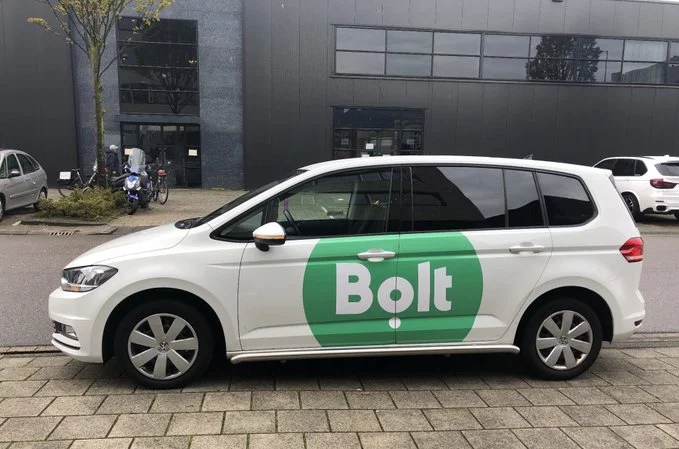
Kenya’s new plan for minimum ride-hailing compensation goes far beyond just setting taxi fares. It raises a critical question: who should pay for each trip—passengers, ride-hailing platforms, or drivers? This article breaks down the proposal, its impact, and what it means for the future of e-hailing in Kenya.
Kenya’s government has proposed a minimum compensation structure for ride-hailing services like Uber, Bolt, and Little. The plan aims to ensure drivers earn a fair wage for every trip. But it doesn’t stop at fares. It also covers costs like fuel, vehicle maintenance, and insurance. The big debate is: who absorbs these costs?
This is the heart of the debate. Each option has pros and cons:
If passengers cover the full cost, fares will rise. This could reduce demand, hurting drivers in the long run. Example: A short trip that costs 200 KES today might jump to 300 KES.
Ride-hailing companies like Uber and Bolt could take a smaller commission. But they argue this would hurt their profits and limit expansion. In other markets, platforms have resisted similar rules.
Drivers already pay for fuel, maintenance, and insurance. Adding more costs could make their earnings unsustainable. Many drivers in Nairobi already struggle to make a living.
Kenya’s ride-hailing market is growing fast. Over 50,000 drivers depend on apps like Uber and Bolt. A fair compensation plan could improve driver welfare, but it must balance affordability for passengers and business viability for platforms.
Similar debates have happened in India, the UK, and the US. For example, in New York, minimum pay rules for drivers led to higher earnings but also higher fares. Kenya can use these lessons to design a balanced policy.
Kenya’s minimum ride-hailing compensation plan is a step toward fairness. But the cost of every trip should be shared wisely. Passengers, platforms, and drivers all have a role to play. The best solution is one that keeps drivers earning, passengers riding, and platforms growing.
Stay tuned for updates on this evolving policy. For now, the debate continues—and everyone is watching.










Comment