
Alerts
-
7 minutes, 28 seconds
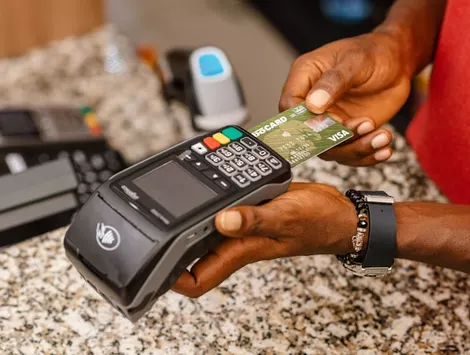
Kenya’s card payments hit Sh297 billion in 2025, marking another steady step toward a cashless retail economy. While growth appears modest year-on-year, the rising number of transactions and POS machines shows a deeper shift happening in formal retail spaces. Cards are no longer limited to malls and hotels — they are quietly spreading into everyday purchases. Data from the Central Bank of Kenya suggests a gradual but meaningful transformation in how Kenyans pay indoors.
Total card payments rose slightly from Sh291.9 billion in 2024 to Sh297 billion in 2025. On the surface, the increase may seem incremental. However, the steady climb reflects consistent consumer trust and institutional backing. Unlike explosive fintech trends, card adoption in Kenya follows a slow-burn trajectory driven by infrastructure expansion and merchant onboarding.
This steady pace is significant because it signals stability rather than hype. Payment trends that grow gradually tend to be more resilient long-term. The consistent upward movement also shows cards are carving a permanent space in Kenya’s payment ecosystem.
The number of card transactions grew 4.1 percent to 61.7 million in 2025, up from 59.3 million a year earlier. That growth reflects behavioral change rather than population spikes. More consumers are using cards repeatedly, not just occasionally. Frequency is becoming the real story behind the numbers.
Repeated usage often signals trust. When consumers use cards multiple times monthly, it means convenience barriers are fading. Reduced friction at checkout, faster authorization, and tap-to-pay familiarity are all accelerating this normalization.
POS terminals increased to 54,454 by December 2025, up from 48,653 in 2024. This growth shows banks are actively expanding acceptance points across the country. Each new terminal represents another merchant entering the digital payments ecosystem. Expansion has been deliberate rather than dramatic.
What makes this growth notable is its geographic spread. POS devices are moving beyond premium urban locations into mid-tier towns and residential estates. The widening footprint indicates a structural shift rather than a temporary trend.
Cards in Kenya once lived mostly in formal environments — supermarkets, airport counters, and high-end hotels. That perception is changing fast. Today, card readers are appearing in fuel stations, pharmacies, and mid-range restaurants. Even neighborhood shops are slowly joining the transition.
This migration from elite to everyday retail matters. Payment tools often follow a trickle-down adoption pattern. Once mid-tier merchants embrace cards, broader consumer adoption typically follows. The checkout experience becomes less about status and more about convenience.
Card usage has evolved steadily over the last decade. In 2010, total annual card payments stood at just Sh43.6 million. By 2015, the value had climbed to Sh70.7 billion. Fast forward to 2025, and the number now sits just below the Sh300 billion mark.
That growth represents more than a numerical jump. It reflects institutional investment in payment rails, merchant education, and consumer familiarity. While mobile wallets captured headlines, cards built momentum quietly in the background.
Despite the growth, cards still play second fiddle to mobile wallets in Kenya’s payment hierarchy. Mobile money dominates street-level commerce and peer-to-peer transactions. Cards, by contrast, thrive in structured indoor retail environments. The two systems serve different payment moments.
Cards excel where transaction values are higher and receipts matter. Restaurants, fuel purchases, and retail chains benefit from card traceability. Meanwhile, mobile wallets remain unmatched in speed and ubiquity for informal transactions.
Banks have played a central role in expanding card acceptance. Instead of mass rollouts, institutions have focused on targeted merchant onboarding. This gradual approach ensures each terminal added delivers sustained usage. The strategy prioritizes durability over rapid scale.
Merchant education has also improved. Training programs now emphasize reconciliation ease, fraud reduction, and accounting clarity. These factors are slowly convincing small businesses to embrace POS devices.
Consumer behavior is evolving in subtle ways. Urban shoppers increasingly carry both mobile wallets and cards. The choice of payment method now depends on context rather than availability. That shift marks maturity in Kenya’s digital payments landscape.
Tap-and-go payments are also reshaping user experiences. Faster checkout times reduce friction, encouraging repeat card use. Over time, these small convenience gains compound into larger behavioral change.
The outlook for card payments appears steady rather than explosive. Growth will likely continue tracking infrastructure expansion and merchant acceptance. As more POS machines reach underserved regions, usage volumes should gradually climb. The real tipping point will come when cards feel as natural as mobile wallets in daily spending.
Long-term, the coexistence of multiple payment methods may define Kenya’s digital economy. Cards will likely dominate structured retail environments, while mobile money retains street-level dominance. Together, they create a layered payment ecosystem built for flexibility.
Sh297 billion may not grab headlines like fintech unicorns or viral payment apps. Yet the number carries quiet significance. It represents persistence, infrastructure, and evolving consumer trust. Card payments in Kenya are not racing ahead — they are embedding themselves slowly but firmly.
That persistence could ultimately be the most powerful signal. Payment revolutions rarely happen overnight. Sometimes, the most transformative changes arrive quietly, one transaction at a time.










Comment