Alerts

-
2 minutes, 24 seconds
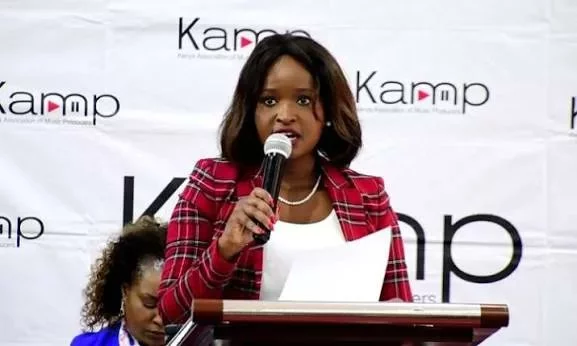
Kenya's music and content licensing landscape is facing a major shake-up. The Kenya Association of Music Producers (KAMP) has officially challenged its license suspension, a move that comes exactly as the country rewrites its copyright oversight rules. This legal battle is putting the entire regulatory process and royalty governance under fresh scrutiny.
KAMP, a key collective management organization (CMO) in Kenya, had its license suspended by the Kenya Copyright Board (KECOBO). The suspension raised concerns about how royalties are collected and distributed to artists, composers, and producers.
Now, KAMP is fighting back in court. They argue that the suspension was unfair and that it disrupts the flow of royalty payments to thousands of members.
Kenya's copyright system has faced criticism for years. Many artists complained about delayed payments, lack of transparency, and poor governance. To fix these issues, the government is now updating the copyright laws.
These changes aim to protect creators and ensure they get paid fairly and on time.
If you are a musician, composer, or producer in Kenya, this case directly affects your income. Here is what you need to know:
Stay updated by checking KECOBO’s official announcements. Also, keep your membership details current with your chosen CMO to avoid missing payments.
KAMP has filed a case in the High Court. They claim that the suspension was based on flawed procedures. The court will decide whether KECOBO acted fairly.
This case is being watched closely by the music industry across Africa. If KAMP wins, it could set a precedent for how CMOs are regulated in other countries.
Kenya is moving toward a more transparent and accountable copyright system. The KAMP challenge is just one part of this bigger reform. Expect:
These steps will help build trust in the system and ensure that creators finally get what they deserve.
The KAMP license suspension challenge is a critical moment for Kenya’s music industry. As the country rewrites its copyright rules, the outcome will shape how royalties are governed for years to come. Whether you are an artist, a producer, or a fan, this is a story worth following.










Comment