Alerts

-
5 minutes, 20 seconds
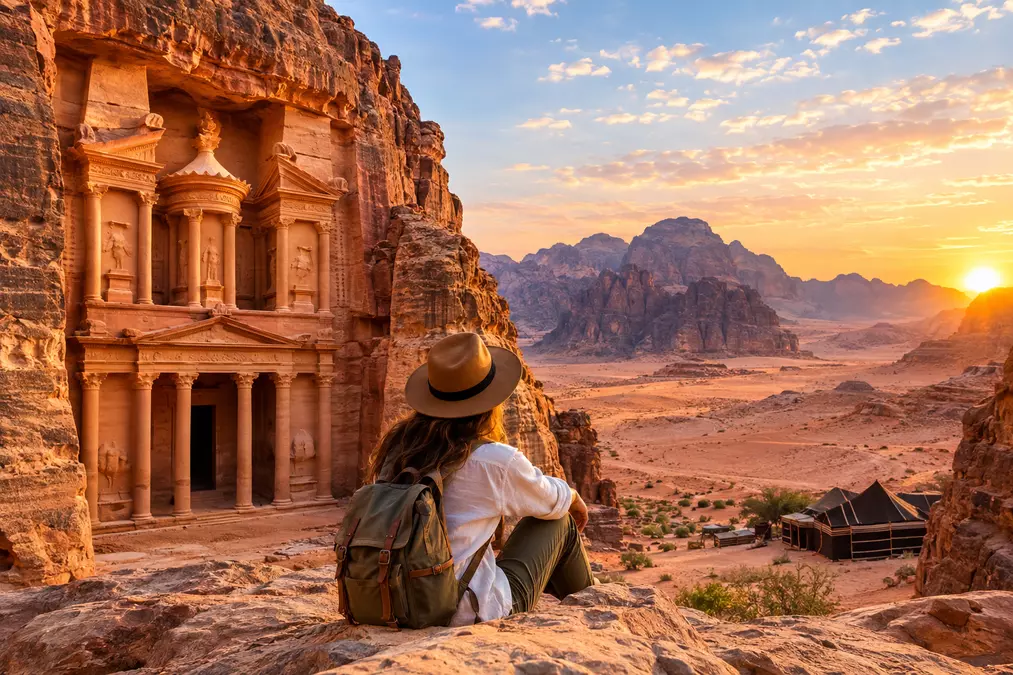
Jordan is one of the Middle East’s most rewarding destinations, combining ancient civilizations, dramatic desert landscapes, vibrant cities and warm hospitality in a relatively compact country. For travelers looking to explore Jordan in 2026, the appeal goes far beyond visiting a few famous archaeological sites. From walking through the rose-colored canyon of Petra to sleeping beneath the stars in Wadi Rum, a journey through Jordan offers a fascinating mix of history, nature and authentic cultural experiences.
The country is also easy to combine into a well-paced itinerary. You can explore ancient ruins in the morning, float in the Dead Sea in the afternoon and enjoy traditional Jordanian food in the evening. With thoughtful Jordan trip planning, it is possible to experience the country's highlights without rushing from one attraction to another.
No visit to Jordan would be complete without Petra. Often called the “Rose City” because of the color of its sandstone cliffs, this ancient Nabataean city is one of the world's most extraordinary archaeological destinations.
The journey begins through the Siq, a narrow natural gorge surrounded by towering rock walls. As you walk deeper into the canyon, the first view of the Treasury gradually appears between the cliffs, creating one of the most memorable moments of any Jordan itinerary.
But Petra is much more than the Treasury. Travelers who have enough time should explore the Street of Facades, Royal Tombs, Colonnaded Street and Qasr al-Bint. The Monastery is another major highlight and requires a climb, but the panoramic views and impressive architecture make the effort worthwhile.
For a richer experience, consider spending at least a full day exploring Petra rather than treating it as a quick stop. Early morning visits can also provide cooler temperatures and a more atmospheric experience.
After the ancient stone of Petra, Wadi Rum offers a dramatic change of scenery. Known as the “Valley of the Moon,” this protected desert landscape is characterized by enormous sandstone mountains, red sand valleys and unusual rock formations.
A Petra and Wadi Rum combination is particularly popular because the two destinations offer completely different experiences. While Petra focuses on archaeology and history, Wadi Rum is about landscapes, adventure and traditional Bedouin culture.
A 4x4 desert excursion is one of the best ways to discover the region. Depending on your interests, you can visit natural rock bridges, ancient inscriptions and spectacular viewpoints. Camel rides are another traditional option, particularly around sunset.
For something truly memorable, spend a night at a desert camp. Modern camps range from simple Bedouin-style tents to comfortable accommodation with private facilities. As night falls, the absence of major city lights creates excellent conditions for stargazing.
Jordan's capital, Amman, deserves more than a brief arrival or departure stop. The city combines ancient landmarks with modern cafés, restaurants, galleries and lively neighborhoods.
The Citadel is an excellent starting point. Located on a hill overlooking the city, it contains important archaeological remains from several periods of Jordanian history. Nearby, the Roman Theatre provides another glimpse into Amman's ancient past.
Travelers interested in history should also consider a trip to Jerash. Located north of Amman, this remarkably preserved Roman city features colonnaded streets, temples, theatres and plazas. Walking among its ruins gives you a strong sense of how significant the region was during the Roman era.
Food is another reason to spend time in Amman. Traditional dishes such as mansaf, maqluba, falafel and hummus provide an introduction to Jordanian cuisine, while local bakeries and cafés offer plenty of opportunities to experience everyday life.
For travelers wanting to balance sightseeing with relaxation, the Dead Sea is an essential addition to a Jordan itinerary. Situated at one of the lowest points on Earth, its exceptionally salty water makes floating an experience unlike swimming in an ordinary sea.
Many visitors combine a Dead Sea stay with Petra and Wadi Rum, creating a journey that moves naturally from history to desert adventure and then relaxation. Spending a night at a resort can be particularly enjoyable after several days of walking and sightseeing.
Jordan also has other natural attractions worth considering. Dana Biosphere Reserve offers hiking opportunities through varied landscapes, while the area around Aqaba provides access to the Red Sea and opportunities for snorkeling and diving.
The best combination depends on how much time you have and whether your priorities are history, adventure, relaxation, wildlife or local culture.
Good Jordan trip planning starts with choosing the right season. Spring and autumn are generally attractive periods for exploring the country's major sights because temperatures are more comfortable than during the peak summer heat. Winter can bring pleasant conditions in some areas but cooler weather and occasional rain, while summer can be particularly hot in Petra and Wadi Rum.
A balanced itinerary of around seven days can cover Amman, Jerash, Petra, Wadi Rum and the Dead Sea without feeling excessively rushed. Travelers with 10 days or more can add Dana, Aqaba or additional cultural experiences.
Comfortable walking shoes are essential, particularly for Petra. Sun protection, a reusable water bottle and lightweight clothing are also useful. In desert areas, temperatures can change considerably between day and night, so packing layers is a smart choice.
Most importantly, leave some flexibility in your schedule. Jordan is a destination where conversations with locals, unexpected viewpoints and leisurely meals can become some of the most memorable parts of the journey.
Jordan brings together some of the Middle East's most compelling experiences in one destination. You can stand before Petra's ancient Treasury, cross the spectacular landscapes of Wadi Rum, explore Roman ruins in Jerash, float in the Dead Sea and enjoy the hospitality of Amman—all within a relatively short journey.
For travelers planning to explore Jordan in 2026, the key is not simply checking famous attractions off a list. Instead, build an itinerary that balances history, landscapes, culture and relaxation. With thoughtful planning and enough time at each destination, Jordan can become far more than a sightseeing trip—it can be an immersive journey through thousands of years of history and some of the region's most remarkable landscapes.



Comment