
-
7 minutes, 42 seconds
Emotional intelligence at work is quickly becoming one of the most valuable leadership skills, especially in high-pressure environments. But what does it actually look like in real life? For one pet owner, the answer came during a late-night emergency visit that felt surprisingly human. Instead of a cold, rushed experience, the care team created calm, trust, and connection in a stressful moment. That experience is now raising a bigger question for leaders everywhere: how do organizations deliver both speed and empathy when it matters most? Increasingly, the answer lies in how teams are trained to respond emotionally, not just technically. And some companies are building entire systems around it.
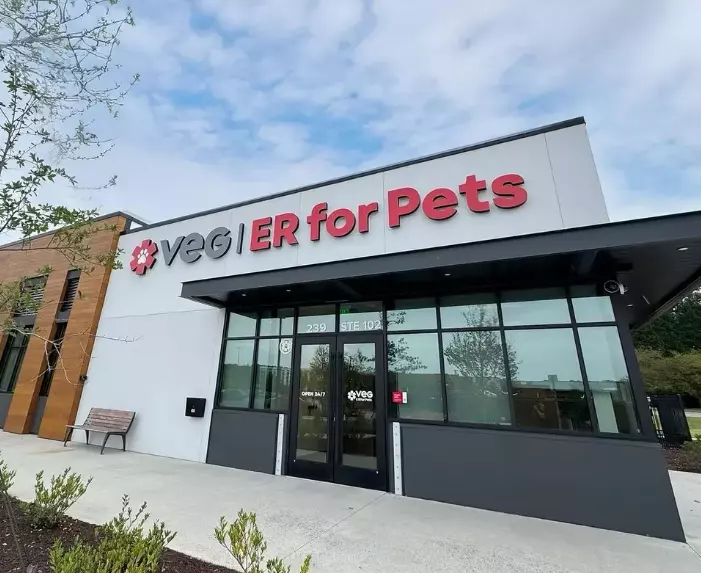
When a pet emergency strikes, expectations are often low when it comes to warmth and communication. That’s why one experience at VEG ER for Pets stood out. Instead of separating the pet from its owner, the care team invited participation and created transparency. The owner was allowed to stay close, even sitting on the floor during treatment, which helped reduce stress for both human and animal. This approach turned a painful situation into one built on trust. It also demonstrated how emotional awareness can transform even the most clinical environments. In moments of fear, empathy becomes just as important as expertise. That balance is what defines exceptional service today.
High-stakes environments amplify emotions, making emotional intelligence essential rather than optional. In emergency settings, people are often anxious, overwhelmed, and seeking reassurance. Teams must be able to communicate clearly while also reading emotional cues in real time. This requires a level of awareness that goes beyond technical training. Emotional intelligence allows leaders and employees to remain composed, empathetic, and effective under pressure. It also builds trust quickly, which is critical in urgent situations. Organizations that prioritize these skills are better equipped to handle complexity. As a result, they create experiences that feel both efficient and human.
At VEG ER for Pets, emotional intelligence is not just taught—it is embedded into the environment itself. Open-concept spaces encourage transparency and collaboration during treatment. Customers can see what’s happening, ask questions, and feel involved in the process. This design reduces fear and increases trust, especially during critical moments. It also challenges traditional models where communication is limited. By rethinking the physical space, the organization reinforces emotional connection at every level. This approach shows that culture is not just about training—it’s about design. And design can shape behavior in powerful ways.
One of the most unique aspects of this approach is its commitment to training every employee as a leader. At VEG ER for Pets, all team members undergo a 90-day leadership training program from the moment they are hired. This training focuses on communication, collaboration, and understanding emotional impact. Employees learn how to slow down conversations, read emotional signals, and respond with empathy. The goal is to prepare them for real-world situations where emotions run high. By investing early, the organization ensures consistency across all interactions. Emotional intelligence becomes a shared standard, not an individual trait.
For those stepping into leadership roles, the development process becomes even more structured. Leaders participate in a multi-month readiness program that combines mentorship, feedback, and hands-on experience. Continuous feedback acts like a “living report card,” helping leaders track their growth. This system ensures that development is ongoing rather than one-time. It also allows leaders to adapt quickly based on real-world performance. Emotional intelligence is reinforced through reflection and practice, not just theory. Over time, this creates leaders who are both self-aware and adaptable. These qualities are essential in fast-changing environments.
Sustaining emotional intelligence requires more than training sessions—it requires a system. Organizations achieve this through mentoring, short learning moments, and immersive experiences. Employees learn directly from peers who model strong emotional skills. Regular, bite-sized training keeps concepts fresh and actionable. Larger events, such as leadership summits, reinforce shared values and behaviors. On-the-job experiences further embed these skills into daily routines. This multi-layered approach ensures that emotional intelligence becomes part of the culture. It moves from theory into consistent practice across teams.
Looking ahead, emotional intelligence at work is expected to become even more personalized. Organizations are beginning to build detailed profiles of leaders, tracking strengths, challenges, and growth areas. This allows for tailored development plans that reflect real-world needs. Technology, including AI, is playing a role in scaling these insights. However, the focus remains on human connection rather than automation. The goal is to create leaders who understand both data and people. As workplaces evolve, this balance will become increasingly important. Emotional intelligence will define the next generation of leadership.
The biggest lesson from a 2 a.m. emergency is simple: emotional intelligence shapes outcomes. In moments of stress, people remember how they were treated as much as what was done. Leaders who prioritize empathy create stronger connections and better results. Building this capability requires intentional systems, consistent training, and supportive environments. It also requires recognizing that emotional intelligence is a core business skill, not a “soft” one. Organizations that embrace this mindset are setting a new standard for leadership. And in doing so, they are redefining what great service truly looks like.

7.9K articles

1.4K articles

34 articles

28 articles














Comment