Alerts

-
5 minutes, 54 seconds
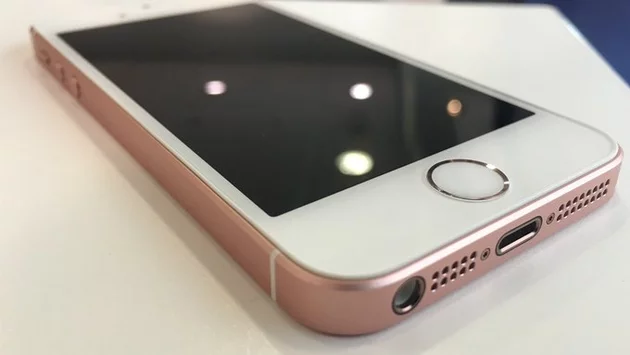
What was the best iPhone Apple ever made? For many long-time users, the answer remains the iPhone SE (2016). Released at a time when smartphones were growing larger and more expensive, it delivered flagship-level performance in a compact, affordable design. Even in 2026, searches around small phones, pocket-friendly smartphones, and Touch ID alternatives keep bringing this model back into the conversation. The iPhone SE (2016) didn’t just meet expectations. It quietly solved problems Apple has since reintroduced.
The defining feature of the iPhone SE (2016) was its size. With a 4-inch display and lightweight aluminum body, it fit naturally into one hand, a pocket, or a small bag without effort. Users could type, scroll, and navigate without finger gymnastics or accidental drops. This wasn’t nostalgia-driven design. It was practical engineering built around real-world use.
As phones grew larger, many users adapted, but they never truly preferred it. The iPhone SE (2016) proved that compact phones weren’t a limitation. They were a choice. Even today, discussions around phone ergonomics often circle back to this exact form factor.
Despite its smaller size, the iPhone SE (2016) didn’t compromise on performance. It carried the same processor as Apple’s top-tier phone at the time, delivering smooth performance that aged remarkably well. Apps launched quickly, animations stayed fluid, and everyday tasks felt effortless for years.
This balance between power and price built trust. Customers didn’t feel like they were buying a “lesser” device. They felt smart for choosing a phone that prioritized essentials over excess. That sense of value is something many modern smartphone buyers still search for.
Another reason the iPhone SE (2016) still earns loyalty is its physical Home button with Touch ID. Fast, reliable, and intuitive, it unlocked the phone instantly without needing to adjust your grip or align your face. In varied lighting or awkward angles, it simply worked.
Biometric convenience isn’t just about innovation. It’s about reliability. Touch ID on the iPhone SE (2016) delivered a frictionless experience that many users still miss, especially those who value speed over spectacle.
The design language of the iPhone SE (2016) favored durability and function. Flat edges, a solid frame, and a smaller screen meant fewer cracks and less fragility. The phone felt sturdy without feeling bulky. It aged gracefully rather than feeling outdated within a year.
This approach reflected a time when phones were tools first and status symbols second. That mindset resonated deeply with students, professionals, and everyday users who wanted reliability above all else.
What made the iPhone SE (2016) special wasn’t just its hardware. It was Apple’s willingness, at the time, to listen. Customers asked for a smaller phone. Apple delivered one without cutting corners. The result was a device that felt personal, intentional, and refreshingly focused.
In later years, feedback often felt acknowledged but not fully embraced. The iPhone SE (2016) stands as proof that responding directly to user needs can produce standout products, even without radical redesigns.
The continued interest in the iPhone SE (2016) isn’t driven by nostalgia alone. It reflects ongoing frustration with oversized devices, rising prices, and feature overload. People want phones that fit their lives, not ones that demand adaptation.
Search trends around compact smartphones, minimal design, and practical usability suggest this demand never disappeared. The iPhone SE (2016) simply met it better than anything since.
The legacy of the iPhone SE (2016) isn’t about looking backward. It’s about recognizing what worked. Compact size, strong performance, fair pricing, and thoughtful design created a phone people didn’t just use. They loved it.
If Apple ever chooses to truly revisit that philosophy, it won’t be reinventing the wheel. It will be returning to one of its most quietly successful ideas. And judging by how often the iPhone SE (2016) is still remembered, plenty of users would welcome that return.








 Proves Apple Once Perfected the Small Phone)
 Proves Apple Once Perfected the Small Phone)
Comment