Alerts

-
5 minutes, 45 seconds
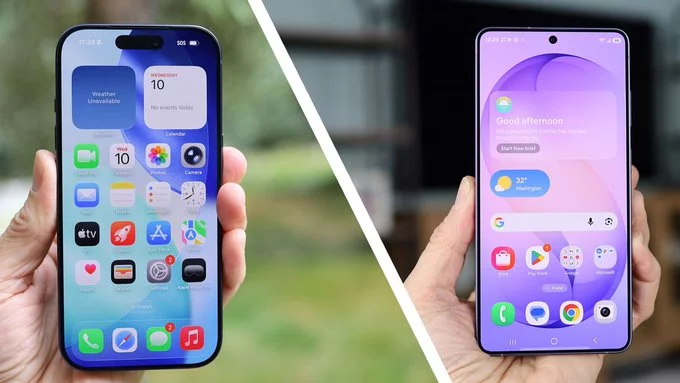
Smartphone loyalty has become one of the most discussed trends in the mobile industry, and new data shows iPhone users are more committed than ever. Reports suggest only a small percentage of iOS users even consider switching, raising questions about what keeps them locked into Apple’s ecosystem. At the same time, Android users continue to highlight flexibility and choice, making the competition tighter than it looks. If you’re wondering whether iPhone loyalty is as strong as it seems, or why some users still prefer Android, this breakdown explains the latest trends, behavior, and what it means for future smartphone decisions.
Recent smartphone loyalty figures indicate that iPhone users remain among the most consistent customers in the mobile market. Even as new devices enter the scene each year, the majority of iOS users tend to stay within Apple’s ecosystem. This loyalty is often linked to seamless device integration, long-term software support, and a user experience that feels stable and familiar. While switching is still possible, the data suggests it is becoming less common as ecosystems grow stronger.
Even as new devices enter the scene each year the majority of iOS users tend to stay within Apple’s ecosystem. This loyalty is often linked to seamless device integration, long-term software support, and a user experience that feels stable and familiar. While switching is still possible, the data suggests it is becoming less common as ecosystems grow stronger.
One of the biggest reasons behind iPhone loyalty is Apple’s tightly connected ecosystem. Users who own multiple Apple devices often find it difficult to leave because everything works together smoothly. Messages, photos, and app data sync effortlessly, creating a sense of convenience that is hard to replicate elsewhere. In addition, Apple’s focus on privacy and consistent updates adds another layer of trust. Over time, these factors build habits that reinforce long-term loyalty.
Despite strong iPhone loyalty, Android continues to attract users who value customization and flexibility. Many Android devices offer a wider range of price points, hardware options, and software choices, giving consumers more control over their experience. This openness appeals to users who prefer to mix and match devices or avoid being locked into one ecosystem. Additionally, Android phones often lead in innovation areas such as charging speed and hardware variety. For these users, freedom outweighs ecosystem convenience.
Beyond technical features, emotional attachment plays a significant role in smartphone loyalty. Many users develop a sense of identity tied to their device choice, especially when it comes to iPhone users who associate the brand with reliability and prestige. Over time, switching platforms can feel like losing familiarity, even if alternatives offer better specifications. Social influence also contributes, as messaging compatibility and group habits reinforce staying within the same ecosystem. This emotional layer is often underestimated but remains powerful.
The low percentage of users considering switching from iPhone suggests that smartphone ecosystems are becoming more entrenched than ever. However, this does not mean competition is fading. Android continues to innovate, and market dynamics can shift quickly when new technologies emerge. Features such as AI integration, foldable devices, and cross-platform services may influence future decisions. Ultimately, while iPhone loyalty remains strong today, the future of mobile switching will depend on how flexible and innovative each ecosystem becomes.
For everyday smartphone users, high iPhone loyalty means fewer people are likely to switch platforms impulsively, which contributes to a more stable mobile experience overall. It also means that app developers and service providers continue prioritizing iOS compatibility when building new features. However, users still benefit from competition, as Android pushes innovation that eventually influences the entire industry. In the end, both ecosystems shape each other, even if switching between them remains relatively rare for most users.








Comment