
Alerts
-
4 minutes, 51 seconds
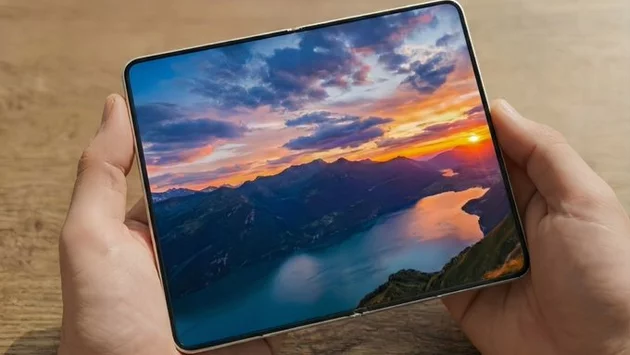
Samsung is gearing up to challenge Apple in the foldable phone market with its upcoming Wide Fold device. Reports indicate that the Korean tech giant plans to produce around 1 million units—a significant jump compared to its previous special-model releases. This move comes as Apple’s rumored foldable iPhone is expected to launch later this year, setting the stage for a high-stakes showdown in premium foldable smartphones.
The Wide Fold is designed with a 7.6-inch foldable OLED display featuring a 4:3 aspect ratio when unfolded, giving users a tablet-like experience in their pocket. A smaller 5.4-inch cover screen ensures usability when the device is folded, mirroring the design Apple is rumored to adopt. By matching these specifications, Samsung appears determined to directly counter Apple’s entry into the foldable segment.
Industry rumors suggest Apple’s foldable iPhone will feature a 7.7-inch inner display with a 4:3 ratio and a 5.3-inch outer screen that is wider and shorter than a standard iPhone. This design prioritizes both productivity and everyday usability. Samsung’s Wide Fold mirrors this approach, offering similar dimensions that could appeal to users seeking a large-screen experience without sacrificing portability.
Analyst Ming-Chi Kuo projects Apple could sell 8 to 10 million foldable iPhones in 2026 if the device launches on schedule. Samsung, by producing a larger initial batch of its Wide Fold, is positioning itself to capture early adopters and compete head-on with Apple before demand fully materializes.
According to reports, the Wide Fold is expected to have Samsung’s largest initial production run for a special model in three years, signaling confidence in the device’s market potential. By contrast, the Galaxy Z TriFold is limited to just 200,000 units, emphasizing the Wide Fold’s central role in Samsung’s foldable strategy.
A source familiar with Samsung’s plans noted that the Wide Fold “is not considered dramatically harder to build than the TriFold,” suggesting the company can scale production efficiently if consumer interest grows. This proactive approach may allow Samsung to quickly adjust output based on market response, giving it flexibility to stay competitive as Apple enters the foldable space.
The Galaxy Z TriFold is set to launch on January 30, starting at $2,899, offering a glimpse of Samsung’s premium pricing strategy for foldables. While exact pricing for the Wide Fold hasn’t been confirmed, it is expected to remain competitive with high-end Apple devices.
Samsung’s move to preempt Apple with a larger production batch and similar display design demonstrates the company’s strategic focus: dominate the emerging foldable market while leveraging its experience with OLED technology and foldable form factors.
Foldable smartphones have gradually moved from niche experiments to mainstream contenders, driven by consumer demand for devices that combine portability and tablet-like screens. Apple’s rumored foldable iPhone represents a major milestone, potentially accelerating adoption. Samsung, long the leader in foldable tech, isn’t waiting—it’s aiming to capture attention and market share before Apple even launches.
By closely matching Apple’s rumored dimensions and emphasizing production scale, Samsung is positioning the Wide Fold not just as a competitor, but as a statement: foldable phones are here to stay, and the race is heating up.










Comment