
-
7 minutes, 27 seconds
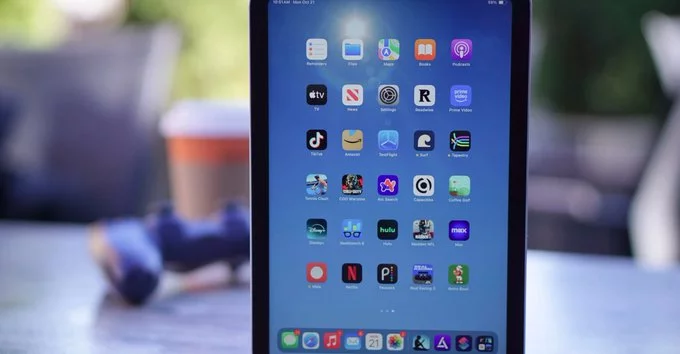
Curiosity around Apple’s long-rumored foldable phone continues to grow as new reports reveal surprising details about the iPhone Fold. Early information suggests the device could feature iPad-style multitasking, a larger inner screen similar to a small tablet, and a major shift in security technology. Instead of Face ID, the foldable phone may rely on Touch ID built into the side button, raising questions about design limitations and Apple’s strategy for foldable devices.
One of the most interesting aspects of the latest iPhone Fold rumor is the possibility of iPad-like multitasking features. Reports suggest Apple is developing a redesigned interface that lets users run apps side-by-side on the foldable device’s larger internal screen.
This type of layout would significantly improve productivity on a smartphone. Users could browse the web while replying to messages, take notes during video calls, or compare documents without constantly switching apps. Multitasking has long been a key advantage of tablets, and bringing it to a foldable iPhone could transform how people use their phones.
Apple is also expected to redesign its core applications to make better use of the wider display. A sidebar layout on the left side of the screen could provide quick navigation, similar to what users already experience on the iPad. This design would allow more content to stay visible at once, creating a more desktop-like experience on a mobile device.
Another major detail from the iPhone Fold rumor involves the device’s display size. The inner screen is expected to be roughly comparable to a small tablet when unfolded, offering far more viewing space than a traditional smartphone.
The screen’s aspect ratio could resemble earlier foldable designs that favored a wider format rather than the taller style seen in some recent foldable phones. A wider display often feels more natural when watching videos, browsing the web, or reading documents.
This design choice could also make multitasking easier because two apps can sit comfortably side-by-side. Instead of feeling cramped, each app would have enough room to function properly.
A large display would also help Apple compete in the growing foldable market. Consumers increasingly expect foldables to deliver both smartphone portability and tablet-like usability. A bigger inner display could position the iPhone Fold as a device that bridges both worlds.
Despite the tablet-sized screen, the iPhone Fold rumor suggests that existing iPad apps may not run on the device. Instead, Apple could encourage developers to improve their iPhone apps so they behave more like tablet apps on larger displays.
This approach may allow Apple to maintain consistency across its software ecosystem. Rather than merging the iPhone and iPad platforms completely, the company may want developers to optimize mobile apps specifically for foldable screens.
For users, this means the experience might look similar to iPad multitasking but still rely on the iPhone version of apps. Developers would likely gain new tools to adapt their apps for larger screens, potentially introducing more flexible layouts.
While some users might expect full iPad app compatibility, Apple’s strategy could focus on gradually evolving the iPhone software experience rather than combining both platforms overnight.
Another surprising change highlighted in the iPhone Fold rumor is the possible removal of Face ID. Instead of the facial recognition system used on most modern iPhones, Apple may integrate Touch ID into the side power button.
The reason reportedly relates to the device’s thin design. Foldable phones require complex internal engineering, and the front display might be too slim to fit the full array of sensors needed for Face ID.
Touch ID embedded in the power button could solve that problem while keeping biometric security fast and reliable. This approach has already appeared on other Apple devices, proving that the company is comfortable using fingerprint authentication in compact hardware designs.
Another design change could involve the front camera. Instead of the familiar pill-shaped cutout seen on current iPhones, the foldable model might use a small punch-hole camera to maximize screen space.
Foldable smartphones represent one of the most significant shifts in mobile hardware design over the past decade. If the iPhone Fold rumor proves accurate, Apple appears to be focusing on productivity, multitasking, and large-screen usability rather than simply creating a novelty device.
Bringing tablet-style multitasking to a foldable phone could open new possibilities for work, entertainment, and everyday tasks. A larger display would make mobile computing more practical, while a refined software interface could help users take full advantage of the extra space.
At the same time, decisions like skipping Face ID or limiting iPad app support show Apple is still balancing innovation with practicality. Foldable devices present unique engineering challenges, and Apple may be prioritizing reliability and performance over flashy features.
Excitement around the iPhone Fold rumor highlights how eager consumers are to see Apple enter the foldable market. If these early details are accurate, the company’s first foldable phone could deliver a completely new way to use an iPhone—blending the power of a tablet with the convenience of a pocket-sized device.

2.6K articles

1.4K articles

34 articles

28 articles














Comment