Alerts

-
2 minutes, 13 seconds
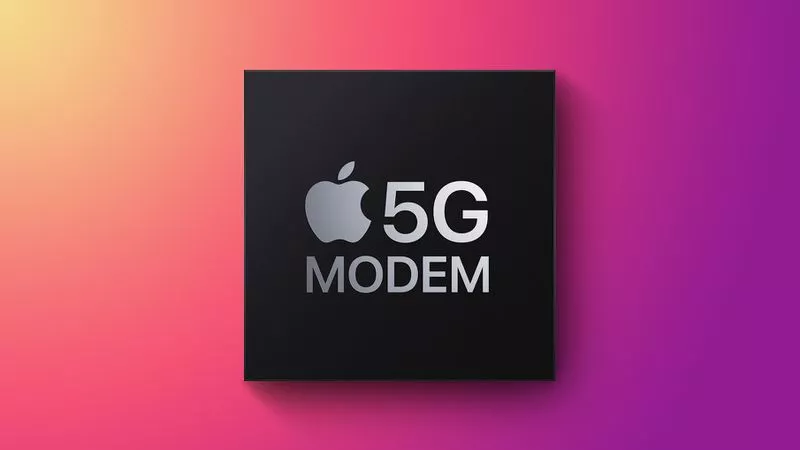
The next-generation iPhone 18 Pro is rumored to feature a split modem strategy: a Qualcomm 5G modem in the United States and Apple’s own C2 chip in other regions. This move could reshape how Apple handles connectivity, performance, and cost across global markets.
Apple has been working on its own 5G modem technology for years, aiming to reduce reliance on Qualcomm. The C2 chip is Apple’s second-generation in-house modem, expected to offer better power efficiency and tighter integration with the A-series processor. However, Qualcomm modems remain industry leaders for reliability and speed, especially in the US where carrier networks (like Verizon and T-Mobile) demand high performance.
If you live in the US, your iPhone 18 Pro will probably have a Qualcomm modem, ensuring strong support for mmWave 5G and carrier aggregation. International buyers may experience slightly different performance with the C2 chip, but Apple is expected to tune it for stable connectivity in Europe, Asia, and other markets.
This dual-modem approach is not new—Apple used Qualcomm modems in some iPhone 15 models and Intel modems in older iPhones. The difference now is that Apple is slowly replacing third-party parts with its own designs, just as it did with the A-series chips and M-series processors.
Industry analysts believe Apple is using a phased rollout for its modem technology. By keeping Qualcomm in the US, Apple avoids risking its largest market’s network performance. Meanwhile, the C2 chip gains real-world testing in other regions, allowing Apple to refine it before a full switch in future models.
For consumers, this means you can expect a reliable 5G experience regardless of which modem your iPhone 18 Pro uses. Apple’s tight software-hardware integration should minimize any noticeable differences in daily use.
Stay tuned for more updates as we get closer to the expected launch in 2026. The iPhone 18 Pro is shaping up to be a pivotal device in Apple’s modem transition.










Comment