


iPad Turns 16: How Apple’s Iconic Tablet Changed Everything
-
4 minutes, 56 seconds
iPad Turns 16: Remembering Apple’s Game-Changing Tablet
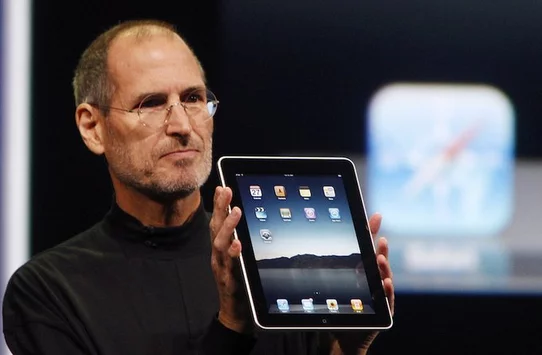
Apple’s iPad celebrates its 16th anniversary today, marking over a decade and a half of shaping how people interact with technology. Launched on January 27, 2010, by Steve Jobs, the original iPad bridged the gap between smartphones and laptops. Early adopters quickly discovered a device that made browsing, reading, and media consumption more intuitive and immersive than ever before. Its launch sparked curiosity, debate, and excitement about what a tablet could actually do.
The first iPad featured a 9.7-inch LED-backlit display, a custom Apple-designed chip, a 30-pin dock connector, and up to 64GB of storage. With a starting price of $499, it offered a fresh experience for web browsing, video streaming, and app interaction. Jobs famously called it “a magical and revolutionary device,” setting expectations high for both consumers and competitors.
The Original iPad: Design and Features That Stood Out
Apple designed the iPad with simplicity and elegance in mind. Its thick black bezels, physical home button, and convex aluminum back gave it a distinctive, minimalistic appearance. Weighing just 1.5 pounds and offering a 10-hour battery life, the tablet combined portability with lasting usability.
iOS was adapted to the iPad’s larger display, letting users enjoy familiar apps like Safari, Mail, and Photos in a new, expansive format. Apple also introduced iBooks and the iBookstore, directly challenging the e-reading market dominated by Kindle. This focus on media, apps, and touch-first computing defined the iPad as more than just a larger iPhone—it became a new category entirely.
Early Reactions: Mixed Opinions but Strong Sales
Initial reactions to the iPad were mixed. Critics questioned whether it could replace laptops, while fans embraced its lightweight design and intuitive interface. Despite doubts, demand was immediate and overwhelming. Apple sold over 300,000 units on launch day and reached one million sales within the first month. By the end of 2010, the iPad had sold over 15 million units and generated $9.5 billion in revenue, quickly becoming a core part of Apple’s product ecosystem.
The iPad’s success also inspired competitors to enter the market. Samsung, Microsoft, and Amazon each developed their own tablets, accelerating innovation in the industry and solidifying the tablet as a mainstream device.
How the iPad Evolved Over 16 Years
Since its debut, the iPad has expanded into multiple product lines, including the iPad mini, iPad Air, and iPad Pro. Apple added features such as advanced cameras, multitasking capabilities, different screen sizes, and USB-C connectivity. Accessories like the Apple Pencil and Magic Keyboard transformed the tablet into a creative and productivity tool.
Each generation pushed boundaries, from the introduction of Retina displays to the M-series chips, cementing the iPad as a staple for students, professionals, and creators. Its role has evolved from a casual media device to a professional-grade tool capable of handling complex tasks once reserved for laptops.
Why the iPad Remains a Pillar of Apple’s Innovation
The iPad’s influence extends beyond hardware. It reshaped how users consume content, interact with apps, and even think about mobile computing. Today, it continues to inspire new ideas in design, performance, and functionality, maintaining Apple’s reputation for innovation. Sixteen years on, the iPad isn’t just a product—it’s a symbol of how technology can redefine everyday life.
Whether for creative work, education, or entertainment, the iPad remains as relevant now as it was in 2010. Its journey reflects Apple’s commitment to innovation and its ability to turn bold ideas into devices that change the world.



Contact Information





Suggested Writers
-

2.5K articles
-

1.3K articles
-

34 articles
-

28 articles



Comment