
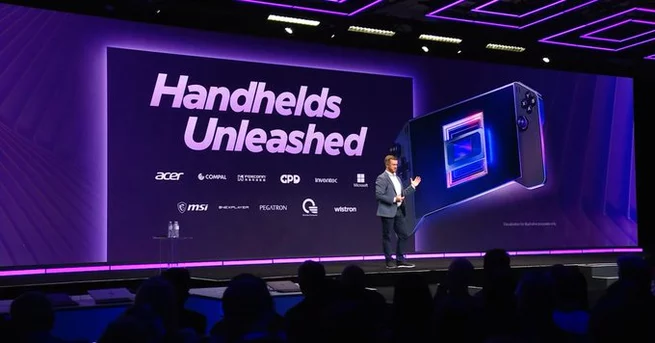
Intel Panther Lake CPU development is shaping up to be a major move in the handheld gaming PC market. Announced during CES 2026, Intel revealed plans for a custom-designed Panther Lake chip built specifically for gaming handhelds. Many gamers are asking whether Intel can finally close the performance gap with AMD-powered devices like the Steam Deck and ASUS ROG Ally. Early details suggest this chip will focus heavily on GPU performance and power efficiency. Intel is positioning the platform as a full hardware and software solution, not just another processor launch. Competition is intensifying as Qualcomm and AMD prepare rival announcements. For handheld PC fans, this could mark a turning point.
Intel Panther Lake CPU Built for Gaming Handhelds
Intel confirmed it is developing an entire handheld gaming platform centered on its new Panther Lake architecture. Rather than repurposing laptop chips, the company plans to tailor the CPU specifically for compact gaming devices. This approach mirrors strategies used by competitors who prioritize thermal and power constraints. Intel’s goal is to deliver smoother gameplay without sacrificing battery life. Company executives emphasized close collaboration with device makers and software partners. This signals a more holistic push into the handheld segment. For gamers, that could translate into more stable and optimized performance.
Custom Core G3 Variant Focuses on GPU Power
Reports from industry sources indicate Intel is working on custom Intel Core G3 variants for handhelds. These chips may outperform the Arc B390 GPU included in standard Panther Lake processors. By leveraging Intel’s advanced 18A manufacturing process, engineers can slice and configure dies more precisely. This allows Intel to allocate more resources to graphics where handheld gaming needs it most. GPU-focused tuning could help Intel compete directly with AMD’s integrated RDNA graphics. Improved visuals and higher frame rates remain key selling points. If successful, Intel could finally shake its weak gaming reputation in this category.
Intel 18A Process Could Be a Game Changer
The 18A process node is central to Intel’s handheld ambitions. This advanced manufacturing technology enables better performance per watt, which is critical for portable devices. Smaller, more efficient transistors help reduce heat and power draw. Intel believes this flexibility allows it to design chips that scale well for different handheld form factors. Analysts see this as a crucial step in Intel’s broader comeback strategy. Strong yields and real-world efficiency will determine success. Handheld gamers stand to benefit if Intel delivers on these promises.
Competition Heats Up With AMD and Qualcomm
Intel’s announcement arrives as competition in handheld gaming intensifies. AMD’s upcoming Strix Halo chips are expected to raise the performance bar even further. Meanwhile, Qualcomm has hinted at Windows-based gaming handhelds using its own processors. This crowded field puts pressure on Intel to differentiate quickly. A custom Panther Lake CPU could offer that edge if performance gains are real. Partnerships with established brands like MSI also help Intel regain trust. The race for handheld dominance is far from settled.
What Comes Next for Intel-Based Handhelds
Concrete product details remain limited for now, according to Intel executives. The company says more announcements will come later in 2026 through hardware and software partners. Intel’s previous MSI Claw handheld saw noticeable improvements after switching to Lunar Lake chips. That positive momentum raises expectations for Panther Lake-powered devices. Developers and gamers alike will be watching closely. If Intel executes well, handheld PCs could see more variety and competition. For the market, that usually means better devices at better prices.















Comment