
Alerts
-
3 minutes, 27 seconds
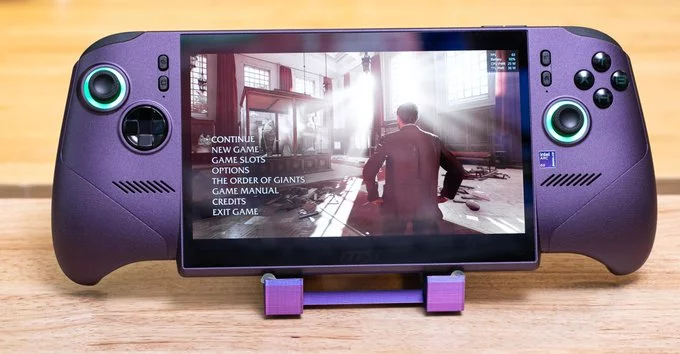
This Intel and MSI handheld is not a final product you can buy tomorrow; it is a preview—a working demonstration of a future where portable gaming PCs aren't underpowered. The promise here is simple: to be potato-free. That means no more compromising on playable frame rates or graphical fidelity just because you are on the go. The prototype exists to show that a handheld can deliver a genuine, full-fat PC gaming experience without the usual sacrifices. It is a statement of intent from both companies, signaling that the era of the underpowered portable is ending. The hardware inside is a test bed, but the message is clear: the next generation of handhelds will not be defined by what they have to cut, but by what they can finally include. This is the first glimpse of that reality, and it sets the stage for everything else that follows in the hardware, efficiency, and market implications.
At the heart of this prototype lies a significant architectural leap: Intel’s Core Ultra processors, paired with the integrated Arc graphics. This combination is the device’s primary performance story, as Intel’s dedicated graphics technology is being brought directly onto the chip. The promise here is that this integrated solution could deliver frame rates and visual fidelity that rival dedicated GPUs, all within a handheld form factor.
This is a bold claim, as traditional handhelds have often struggled to match the performance of their larger, dedicated-graphics-equipped counterparts. The Core Ultra’s hybrid architecture aims to balance power consumption with raw output, while the Arc graphics handle the heavy lifting for modern game titles. If this performance holds up in real-world testing, it could fundamentally change expectations for what a portable gaming device can achieve, offering desktop-class visuals without the need for a separate, power-hungry graphics card. The potential for high-refresh-rate gaming on the go is a key focus of this hardware configuration.
Intel’s stated focus on efficiency is a pivotal factor that could set this prototype apart from existing handhelds. Rather than simply chasing raw performance, the architecture is designed to deliver higher frame rates while managing power draw more intelligently. This means the device could potentially offer better battery life than current competitors, even when pushing more demanding games.
Thermals are another critical area where this approach pays off. By optimizing power delivery and reducing waste heat, the system can sustain peak performance for longer periods without throttling. In practice, this could translate to cooler surfaces and quieter fans during extended play sessions—a significant comfort advantage over many existing handhelds that struggle with heat under load.
The result is a compelling combination: more performance per watt, which directly addresses the two biggest complaints about current PC gaming handhelds—short battery life and excessive heat. If Intel’s efficiency claims hold up in real-world testing, this prototype could redefine expectations for what a portable gaming device can achieve.
If this prototype’s performance metrics are validated in a consumer product, the ripple effects could be significant. The article suggests that such a device could push the industry toward more powerful and efficient handhelds, potentially reshaping the portable gaming market. This shift would likely force competitors to accelerate their own hardware roadmaps, moving away from incremental upgrades toward more ambitious architectural leaps.
The emphasis on efficiency, rather than raw power alone, could also redefine consumer expectations. Gamers might begin to prioritize battery life and thermal management as core purchasing criteria, not just afterthoughts. This would place pressure on developers to optimize games for a wider thermal envelope, potentially leading to more scalable titles that run smoothly across both high-end and budget devices.
Ultimately, the market could bifurcate into two distinct tiers: premium handhelds that chase this new performance ceiling, and budget devices that focus on efficiency. The article’s implication is clear—a successful launch could set a new baseline, making today’s “high-end” portable hardware look dated within a single generation.









Comment