Alerts

-
3 minutes, 9 seconds
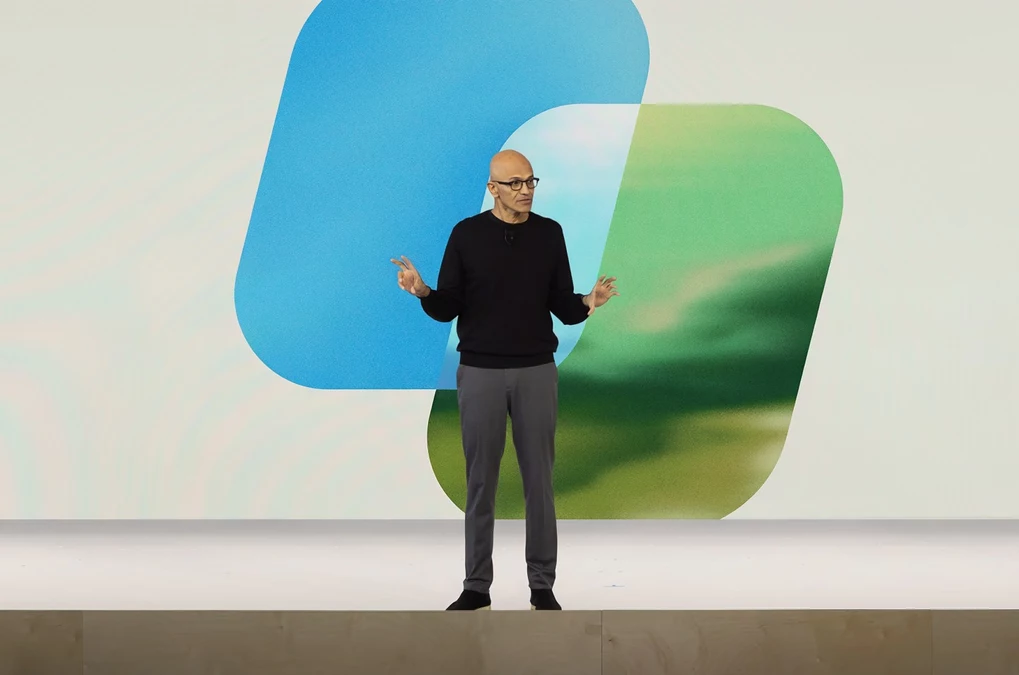
Last week, Microsoft CEO Satya Nadella hosted an intimate, invite-only event for leaders from some of its key enterprise customers. Instead of a flashy media event, Nadella outlined the future of Copilot directly to the customers Microsoft really cares about, pitching its latest rethink of the AI assistant as the “OS for work.”
The setting itself signals where Microsoft sees the real stakes: not consumer downloads, but enterprise adoption. By speaking privately to decision-makers at major customers, Nadella framed Copilot as core workplace infrastructure rather than a standalone assistant.
“We are the architects of a new frontier of work, using these new tools and capabilities,” Nadella said, describing how work transformed from interoffice memos and faxes to Excel spreadsheets in email.
That pitch underpins Microsoft’s broader ambitions for Copilot across its products, which the company has spent months reworking into a single unified experience.
Microsoft is adding coding and agent capabilities directly into Copilot, as well as bringing the full power of Office into Copilot for the first time. The move marks a significant expansion of what the assistant can do, pushing it beyond simple chat and into the core of everyday work.
By embedding coding tools and agent functionality straight into Copilot, Microsoft is betting that the assistant can handle tasks that previously required separate applications or specialized skills. At the same time, folding the full strength of Office into Copilot means the assistant now sits at the center of the productivity suite that enterprises already rely on.
Together, these additions signal that Copilot is no longer just a companion app. It is being rebuilt as a workspace where coding, agents, and Office documents converge, positioning Microsoft’s AI assistant as the place where work actually happens.
Nadella is betting that AI will change the way people work in the same way that Microsoft Office did in the ’80s and ’90s. He frames the shift as a before-and-after story his enterprise audience already knows firsthand.
“How did a multinational company do a forecast in 1981? You had interoffice memos and faxes and all of these artifacts that then just disappeared and you suddenly had an Excel spreadsheet in an email,” said Nadella.
That contrast is the heart of his pitch: the old way of working wasn’t merely slower, it was cluttered with artifacts that a single spreadsheet in an email could replace. Nadella casts Microsoft in the same role today, describing the company as “the architects of a new frontier of work, using these new tools and capabilities.”
The ambition is explicit. Microsoft has spent the past few months fusing its consumer and enterprise Copilot apps into a single unified interface, with a goal to make Copilot as influential as Office once was. If that lands, the memo-and-fax era Nadella describes could be remembered the way the spreadsheet already is.
Microsoft has spent the past few months fusing together its consumer and enterprise Copilot apps into a single unified user interface, with a goal to make Copilot as influential as Office once was. The result is a big departure from the Copilot consumer design that Microsoft AI CEO Mustafa Suleyman launched two years ago.
That earlier design was heavily influenced by the work Inflection AI had done with the Pi personal AI assistant, after Microsoft hired many of the Inflection AI team just months prior. The new Copilot app now looks a lot more like the commercial one, with separate tabs for chat, coding, and the new Autopilot AI agent.










Comment