Alerts

-
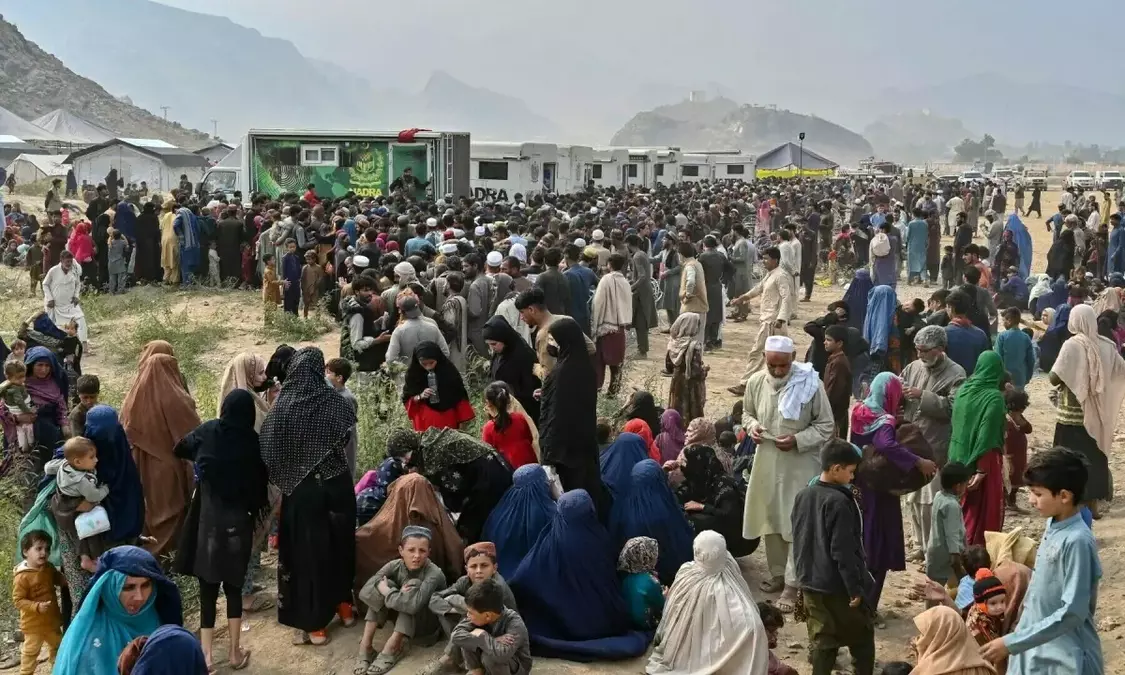
KHYBER: Hostile socio-economic conditions, acute shortage of residential facilities and an impending harsh winter in Afghanistan have greatly hampered the repatriation of illegal Afghan nationals to their country via the Torkham border since early September. Official sources in Torkham told Dawn that 150-200 Afghan nationals were now crossing the Torkham border crossing on a daily basis compared to 800-1,000 reported in April, May and June. They said that customs terminal and immigration offices were wearing an almost deserted look after a drastic decline in the numbers of returning Afghan families during the last five to six weeks. Afghan refugees gather at a makeshift camp upon their arrival from Pakistan, near the Afghanistan-Pakistan Torkham border. — AFP/File The sources said that the customs authorities also had eased the 100 per cent manual examination of the personal belongings of the returning Afghans as they had earlier received secret information about illegal export of medicine, rice, motorcycles and some other miscellaneous items stuffed in household items of some returning families. Sources say 150-200 Afghans crossing Torkham daily Officials said that as per the legal border crossing procedure, every vehicle had to undergo electronic scanning before being issued a gate pass by the customs authorities, while additional manual examination was made mandatory after complaints about illegal exports. They said all seized items were confiscated by the customs authorities and the border forces that were later placed on auction to ordinary people or local traders. Some of the returning Afghan families lodged complaints about seizure of their costly personal belongings during those customs examinations, both electronic and manual, according to officials. They said that after receiving a lot of complaints from the customs clearing agents who would manage the clearance of personal belongings of the returning Afghan families, only suspicious vehicles were now manually examined. The illegal exports, too, have declined considerably over the past few weeks. Afghans sit inside a tent after their arrival from Pakistan, in Takhta Pul, Afghanistan. —AFP/File Sources familiar with the repatriation process since late March said that while a large number of the illegal Afghans had either been deported or had returned voluntarily, remaining families currently residing mostly in different cities of Khyber Pakhtunkhwa were wary of the political and economic situation in Afghanistan as the repatriated family members or acquaintances had advised them against coming back to their country in the existing circumstances. They said that the affluent Afghans who had gone back had to an extent settled down in different parts of Afghanistan. Sources said those who had yet to decide about their return were informed by the returned Afghans about facing problems in finding suitable living places, acute lack of employment and business opportunities and the fast approaching winter season, which, in most parts of Afghanistan, had become unbearable until March and April. Sources said that a comparatively lenient policy by the Khyber Pakhtunkhwa government had also ‘encouraged’ a good number of the Afghan families to stay back in the province despite being repeatedly “fleeced” by the police or personnel of other law-enforcement agencies. In this file photo from August 2021, people walk inside a fenced corridor as they enter Pakistan through the border in Chaman. — AFP/File Authorities reported a large influx of the returning Afghans after the Torkham border was reopened only for repatriation of illegal Afghan families on March 31 and then onwards in April, May and June with the immigration, customs, Nadra and intelligence personnel struggling to control and manage the repatriation process, according to officials. They said the departments had to make alternate and additional arrangements at the Hamza Baba Transit Centre in Landi Kotal to cope with the growing number of the returning Afghans, especially in the middle of the year. The officials said the centre, too, was wearing a deserted look as the visitors’ number had declined. They added that a number of the food and drinks kiosks established by locals near the centre had been relocated to other places. Published in Dawn, October 2nd, 2026







Comment