
Alerts
-
5 minutes, 29 seconds
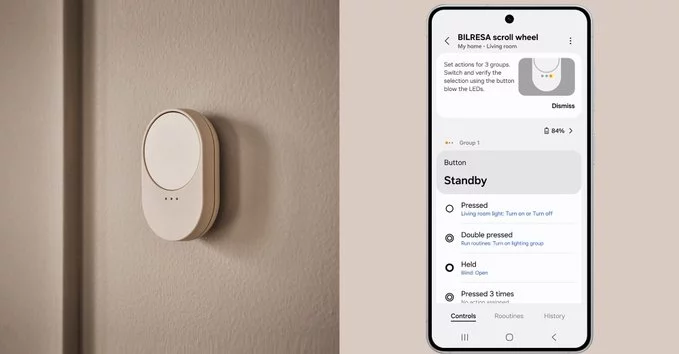
In a major push toward simplifying smart home technology, Ikea and Samsung Matter integration is being positioned as a way to finally deliver smoother, more reliable device connectivity. Users often search whether Matter devices really work seamlessly or still suffer from pairing issues, delays, and drop-offs. The latest collaboration between the two companies aims to reduce these frustrations by focusing on a more stable smart home experience powered by the Matter standard, promising fewer glitches and easier setup across supported devices.
Pushed as a shared effort between two major players in smart home hardware, Ikea and Samsung Matter integration focuses on creating a unified language for connected devices. Matter is a universal standard designed to make gadgets from different brands communicate without complex setups. Ikea’s smart lighting and home accessories are expected to benefit from tighter compatibility with Samsung’s SmartThings ecosystem. This means users may no longer need multiple apps to control their devices. Instead, a single connected environment becomes possible, reducing friction in everyday use.
Weeks of frustration with disconnected smart devices have pushed users to demand simpler solutions, and Matter compatibility is now seen as a key answer. The standard is designed to eliminate fragmentation across ecosystems, which has long been a barrier in smart home adoption. By supporting Matter, companies like Ikea and Samsung aim to reduce setup failures and improve reliability. This also helps ensure that devices remain functional even when switching between platforms or apps. For everyday users, this translates into less troubleshooting and more consistent performance.
The most important change users can expect is a smoother setup process across compatible devices. Instead of struggling with inconsistent pairing methods, Matter-enabled products should connect more reliably on the first attempt. Ikea smart bulbs, sensors, and controllers are expected to work more naturally with Samsung SmartThings hubs. This integration reduces the need for workarounds or third-party bridges. Over time, users may notice fewer disconnections and faster response times in their smart home routines.
Despite the promise of smoother connectivity, the rollout of Matter integration is not without challenges. Device compatibility varies depending on hardware generation and software updates. Some older Ikea devices may require firmware upgrades before full support is available. Additionally, the success of Matter depends on widespread adoption across the industry. While Samsung and Ikea are moving quickly, not all manufacturers are aligned yet, which may limit immediate benefits for some users.
Looking ahead, the partnership signals a broader shift toward unified smart home ecosystems. If successful, Ikea and Samsung Matter integration could become a blueprint for other brands aiming to reduce fragmentation in the market. Users may eventually enjoy fully interoperable homes where lighting, security, and entertainment systems work together effortlessly. As Matter continues to evolve, updates are expected to further refine performance and expand compatibility across more device categories. This marks a significant step toward truly plug-and-play smart living.
Overall, the collaboration between Ikea and Samsung around Matter integration reflects a growing demand for simpler and more dependable smart home experiences. Instead of juggling multiple apps and unreliable connections, users are moving toward unified systems that prioritize ease of use. While challenges remain in ensuring full compatibility across all devices, the direction is clear. Matter is quickly becoming the foundation for future smart homes, and this partnership accelerates that shift. For users, the real benefit will be fewer frustrations and more predictable performance across everyday routines. As updates roll out, the expectation is that smart home technology will finally feel less fragmented and more intuitive for mainstream adoption. This evolution also strengthens confidence in long-term smart home investment decisions worldwide today moving forward now.










Comment