
Alerts
-
3 minutes, 26 seconds
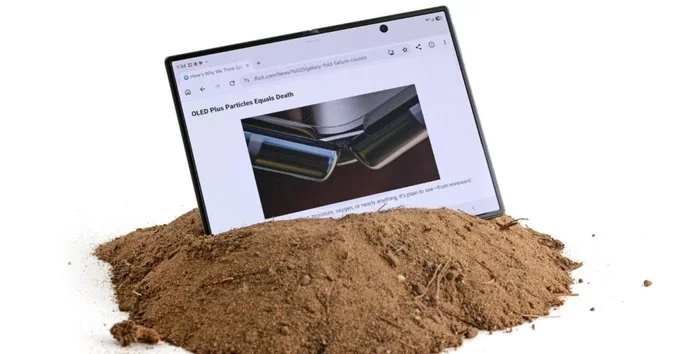
At first glance, the IP48 rating on the iFixit teardown appears to promise robust protection. The “4” in the first digit signifies protection against solid objects larger than 1mm—essentially tools, wires, or fine debris that could enter the device. The “8” in the second digit is more impressive, indicating the device can withstand continuous immersion in water beyond 1 meter, with the exact depth and duration specified by the manufacturer.
However, the critical nuance lies in that first digit. Unlike a top-tier IP68 rating, where the “6” guarantees complete dust-tight protection, the “4” offers no defense against dust ingress. This means fine particles like sand or gritty powder can freely enter the device, potentially settling on internal components. While the water resistance is substantial, the lack of dust sealing creates a vulnerability, especially in environments with airborne particulates. This gap is exactly what the teardown reveals, highlighting a potential weak point for long-term durability in real-world conditions.
iFixit’s teardown of the device delivers a sobering reality check for the IP48 rating. While the ingress protection mark suggests robust dust resistance, the physical inspection uncovered visible gaps around the hinge and along the display assembly. These openings, iFixit notes, provide a plausible pathway for fine particles to enter the chassis during everyday use. The team’s findings directly undermine the practical benefit of the rating, as the seal’s integrity is compromised in the very areas most exposed to friction and flexing. Although the IP48 certification is technically accurate under controlled lab conditions, the real-world geometry of the device creates zones where dust can accumulate and potentially migrate inward. This discrepancy between the spec sheet and the physical design raises questions about how the rating translates to long-term reliability, especially for users in dusty or sandy environments. The gaps are not merely cosmetic; they represent a structural vulnerability that the official rating does not fully account for in practice.
The most significant concern is the long-term effect of dust ingress on a device with inherently moving parts. The hinge mechanism, which must flex and slide with every fold, is precisely where microscopic abrasive particles can cause the most damage. Over time, dust that bypasses the seals could accelerate wear on internal components, potentially leading to a looser hinge, a less flat fold, or even premature failure of the display layer. This makes the phone’s longevity a more significant unknown than for a traditional, non-folding slab phone.
It is also worth noting the marketing focus. Samsung’s promotional materials heavily emphasize the device’s water resistance, an impressive engineering feat. However, they are notably silent on dust protection. This omission is telling, suggesting the manufacturer is aware that the phone’s resilience to particles is its weak point. For users in dusty environments—whether a beach, a workshop, or simply a windy city street—this lack of official reassurance is a real consideration for daily use.
iFixit’s teardown concludes with a sobering assessment of the phone’s internal architecture. The team awarded the device a repairability score of 4 out of 10, reflecting a design that is difficult to service. Key components are heavily adhesive-bonded, and the display assembly remains notoriously fragile to remove without specialized tools, making common repairs like battery swaps or screen replacements high-risk for the average user.
This low score, combined with the previously identified gaps in the IP48 dust seal, raises significant long-term reliability questions. While the phone may survive an initial splash, iFixit notes that the ingress points could allow fine particles to accumulate over time, potentially compromising internal connectors or the cooling system. As a result, the device’s durability is not just about the first drop, but about how it handles years of daily wear. For a premium flagship, the repairability hurdles mean that even minor damage could push owners toward costly out-of-warranty service, undermining the device’s overall longevity promise.








Comment