Alerts

-
7 minutes, 38 seconds
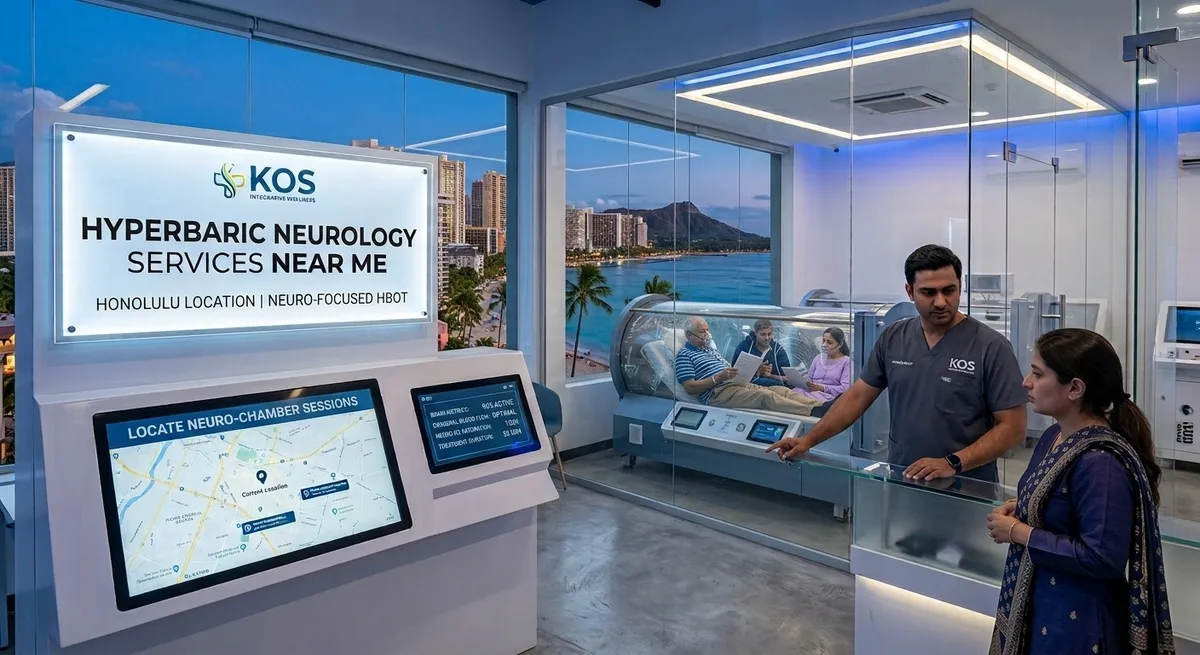
When people search for hyperbaric neurology near me, they are often looking for information about hyperbaric oxygen therapy (HBOT) and how it may fit into neurological or rehabilitation care. Hyperbaric oxygen therapy involves breathing oxygen in a pressurized chamber under controlled medical supervision.
Hyperbaric therapy has established medical uses for several specific conditions, while research continues to explore other neurological applications. The Undersea & Hyperbaric Medical Society (UHMS) maintains recognized indications for hyperbaric oxygen treatment and notes that some neurological uses remain investigational.
For anyone considering this type of treatment, choosing an appropriately trained provider and discussing the treatment with a qualified healthcare professional are important steps.
The phrase hyperbaric neurology near me generally refers to people searching for healthcare providers or hyperbaric centers that offer HBOT in connection with neurological concerns.
Hyperbaric oxygen therapy is different from conventional neurological treatment. A neurologist may diagnose and manage neurological disorders using medications, rehabilitation, diagnostic testing, and other therapies, while a hyperbaric medicine provider evaluates whether HBOT is appropriate for a particular medical condition.
Some neurological conditions and injuries have been studied in connection with hyperbaric oxygen therapy. However, research findings vary depending on the condition, treatment protocol, and patient circumstances. For example, UHMS identifies traumatic brain injury as an area of investigation rather than a standard established indication for HBOT.
During HBOT, a person enters a specially designed chamber and breathes oxygen while the pressure is increased above normal atmospheric pressure. This allows more oxygen to be delivered to tissues.
Treatment sessions are performed according to a specific medical protocol. The pressure, treatment duration, and number of sessions can vary depending on the condition being treated and the provider's clinical assessment.
Hyperbaric treatment should be performed using appropriate equipment and under qualified supervision. The FDA has emphasized that facilities should follow manufacturer instructions, maintain appropriate fire-prevention measures, properly train staff, and monitor patients during treatment.
People searching for hyperbaric neurology near me may be interested in HBOT because they have questions about neurological recovery, brain injuries, or other conditions involving the nervous system.
For example, research has examined hyperbaric oxygen in areas such as:
Traumatic brain injury
Certain neurological complications following medical conditions
Intracranial abscess
Carbon monoxide poisoning and its neurological effects
Other emerging neurological applications
It is important to distinguish between recognized medical indications and treatments that are still being studied. UHMS lists intracranial abscess and carbon monoxide poisoning among established hyperbaric oxygen indications, while some other neurological applications remain under investigation.
Brain injuries can require individualized medical and rehabilitation care. Depending on the injury, treatment may involve neurological evaluation, physical therapy, occupational therapy, cognitive rehabilitation, medication, and other supportive approaches.
Hyperbaric oxygen therapy has been investigated as a potential therapy for traumatic brain injury. However, UHMS currently describes HBOT for traumatic brain injury as investigational rather than an established standard indication.
This means patients should not assume that HBOT is appropriate for every type of brain injury. A qualified healthcare professional should evaluate the individual's condition before treatment is considered.
Carbon monoxide poisoning can affect the nervous system as well as other organs. Symptoms and complications can vary depending on the severity and duration of exposure.
Hyperbaric oxygen therapy is a recognized treatment for carbon monoxide poisoning. UHMS notes that carbon monoxide poisoning can produce neurological and cognitive consequences, making timely medical evaluation particularly important.
If carbon monoxide exposure is suspected, emergency medical evaluation should take priority over searching for a routine hyperbaric appointment.
If you are searching online for hyperbaric neurology near me, it is important to look beyond location alone. The quality and safety of the facility should also be considered.
Look for a provider that has:
Properly trained hyperbaric medical staff
Appropriate hyperbaric equipment
Clear patient screening procedures
Proper safety protocols
Physician involvement when clinically appropriate
A clear explanation of the treatment plan
Experience with medically indicated hyperbaric therapy
The UHMS operates an accreditation program for clinical hyperbaric medicine facilities. Its accreditation program is designed to recognize facilities that demonstrate a commitment to patient care and facility safety.
Before treatment, the provider may review your medical history, current medications, symptoms, and reason for considering HBOT. The team may also explain what you should and should not bring into the chamber.
During treatment, you will enter the hyperbaric chamber and receive oxygen according to the prescribed protocol. You may notice pressure changes in your ears as the chamber is pressurized.
The medical team monitors the session and provides instructions about managing pressure changes and other aspects of the treatment.
Treatment length and the number of sessions can vary, so patients should follow the protocol recommended by their healthcare provider rather than assuming that more sessions are always better.
Safety should be one of the most important considerations when looking for hyperbaric neurology near me.
Because HBOT involves a high concentration of oxygen and a pressurized environment, facilities must follow strict safety procedures. The FDA has specifically warned healthcare providers about the importance of following device instructions and maintaining fire-prevention measures. Serious injuries and deaths associated with HBOT devices have been reported, although serious adverse events are uncommon.
Patients should therefore ask about:
Staff training
Emergency procedures
Equipment maintenance
Patient monitoring
Fire-safety procedures
Medical evaluation before treatment
The clinical reason for recommending HBOT
A reputable provider should be willing to explain these procedures clearly.
Before scheduling treatment, consider asking the provider several questions.
Is HBOT appropriate for my condition?
This is one of the most important questions. Hyperbaric therapy is not appropriate for every neurological condition.
Who will supervise my treatment?
Ask about the qualifications and experience of the medical professionals involved in your care.
What is the purpose of the treatment?
The provider should explain why HBOT is being considered and what outcome is reasonably expected.
How many sessions may be recommended?
Treatment schedules depend on the condition and clinical circumstances.
What safety procedures are followed?
A professional facility should be able to explain its safety and emergency protocols.
Is the treatment established or investigational for my condition?
This question is particularly important for neurological applications because evidence varies between conditions.
Neurological recovery may involve more than one type of care. Depending on the individual's needs, a rehabilitation plan may include physical therapy, movement training, occupational therapy, cognitive support, and other professionally guided approaches.
When clinically appropriate, hyperbaric oxygen therapy may be considered as part of a broader care plan rather than as a replacement for established neurological or rehabilitation treatment.
For people exploring integrative rehabilitation options, providers such as KOS Integrative Health offer information about hyperbaric oxygen therapy as part of their services.
The most appropriate approach depends on the patient's medical history, diagnosis, goals, and response to treatment.
When searching for hyperbaric neurology near me, start by identifying facilities that provide clinical hyperbaric oxygen therapy rather than simply searching for a chamber.
You can compare providers based on:
Medical supervision
Staff qualifications
Facility safety standards
Experience with the condition being evaluated
Treatment protocols
Patient screening
Facility accreditation where applicable
Communication and follow-up care
The UHMS provides a directory of accredited clinical hyperbaric medicine facilities that can be used when researching qualified centers.
Location is convenient, but it should not be the only factor. A nearby facility may not necessarily offer the type of medically supervised hyperbaric treatment that a patient requires.
No. HBOT is not a universal treatment for neurological conditions.
The appropriateness of treatment depends on the patient's medical condition and the evidence supporting HBOT for that specific indication. Some applications are well established, while others are still being researched.
This distinction is especially important when evaluating claims about HBOT for chronic neurological disorders, traumatic brain injury, or other conditions. Patients should be cautious about facilities that promise guaranteed neurological recovery or claim that HBOT can treat every neurological disease.
A medical evaluation can help determine whether hyperbaric therapy is reasonable and whether another treatment approach may be more appropriate.
Searching for hyperbaric neurology near me can be a useful first step for learning about hyperbaric oxygen therapy and finding nearby providers. However, location should only be one part of the decision.
HBOT has recognized medical applications, while some neurological uses remain under investigation. Choosing a qualified provider, understanding the reason for treatment, asking about safety procedures, and discussing the therapy with an appropriate healthcare professional can help patients make more informed decisions.
For neurological concerns, hyperbaric therapy should be viewed within the context of an individualized medical and rehabilitation plan rather than as a guaranteed solution. A qualified healthcare professional can help determine whether it is appropriate for your specific situation. Read more blogs



Comment