Alerts

-
4 minutes, 49 seconds
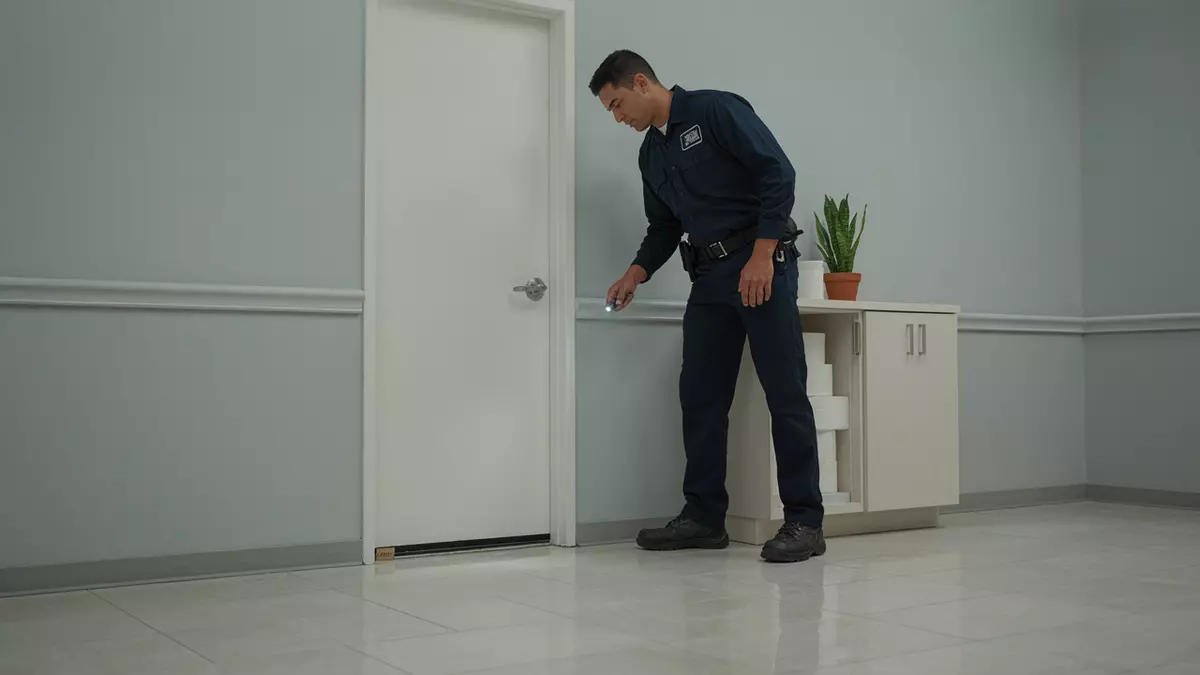
Pest problems are not limited to homes. Offices, restaurants, warehouses, retail stores, and other workplaces can also attract unwanted pests. Ants, cockroaches, rodents, flies, and other insects can find plenty of food, water, and hiding places inside commercial buildings. Once pests get comfortable, they can be difficult to remove.
For business owners and managers, preventing an infestation is usually much easier than dealing with one after it has spread. A few simple habits, regular inspections, and professional support can make a significant difference. Here are some practical ways to protect your workplace from common pest problems.
Food is one of the biggest reasons pests enter commercial buildings. Even small crumbs or spills can attract ants, cockroaches, flies, and rodents. Employees may not think much about leaving a few crumbs on a desk, but pests certainly can.
Kitchen areas, break rooms, cafeterias, and employee dining spaces should be cleaned regularly. Wipe down tables and counters, sweep floors, and clean up spills as soon as they happen. Food should also be stored in sealed containers rather than open bags or boxes.
Trash cans deserve attention as well. Use bins with secure lids and empty them regularly, particularly when they contain food waste. These basic habits are an important part of pest prevention for businesses.
Pests need water just as much as they need food. Leaking faucets, dripping pipes, clogged drains, and areas of standing water can create attractive conditions for insects and rodents.
Business owners should address plumbing problems quickly instead of allowing small leaks to continue. Check underneath sinks, around restrooms, near water heaters, and in other areas where moisture may collect.
Keeping the workplace dry can help discourage pests from settling in. Good ventilation is also helpful in areas where humidity tends to build up.
Piles of cardboard, unused equipment, paper, and stored materials can give pests plenty of places to hide. Rodents, cockroaches, and other pests often prefer dark, undisturbed spaces.
Try to keep storage areas organized and avoid allowing unnecessary materials to accumulate. Cardboard boxes should not be left sitting around for long periods, especially in warehouses or storage rooms.
Regularly cleaning behind furniture, equipment, shelves, and appliances can also help uncover early signs of pest activity before the problem becomes more serious.
Pests do not need a large opening to enter a building. Rodents can squeeze through surprisingly small gaps, while insects may enter through cracks around windows, doors, pipes, and other openings.
Inspect the exterior of the workplace regularly. Look for gaps around doors and windows, damaged screens, cracks in walls, and openings around utility lines. Weather stripping and door sweeps can help close some common entry points.
This is one of the simplest steps businesses can take to improve workplace pest protection. Keeping pests outside is much easier than removing them after they have established themselves indoors.
Pest problems rarely appear overnight. There are often warning signs that something is wrong. Droppings, damaged packaging, unusual odors, insect activity, nesting materials, and chewed wires or boxes may indicate pest activity.
Employees should know what signs to look for and who to contact if they notice something unusual. A single sighting does not always mean there is a major infestation, but ignoring repeated sightings can allow the situation to get worse.
Early reporting gives business owners an opportunity to investigate the problem and take action before pests spread to other areas.
Even when a workplace appears clean, pests can sometimes hide in areas employees rarely visit. Storage rooms, basements, utility spaces, loading areas, and exterior locations may provide ideal conditions for pests.
Regular inspections can help identify potential problems before they become expensive or disruptive. Professional inspections are especially useful for larger buildings or businesses that handle food, store products, or have frequent deliveries.
A consistent office pest management plan can also help businesses stay ahead of seasonal pest activity rather than reacting only after an infestation develops.
Pests can sometimes enter a workplace through incoming deliveries. Cardboard boxes, pallets, packaging materials, and stored products may occasionally carry insects or other unwanted pests.
Employees responsible for receiving deliveries should look for obvious signs of pest activity before moving items into storage areas. Keeping storage spaces clean and organized makes inspections easier and reduces hiding places.
Businesses should also avoid storing materials directly against walls when possible. Leaving some space makes it easier to inspect for droppings, insects, or other warning signs.
Cleaning and maintenance can go a long way toward preventing pests, but some problems require professional attention. If employees are regularly seeing rodents, cockroaches, ants, or other pests, it may be a sign that the building has a larger issue that needs to be addressed.
A professional pest control provider can inspect the property, identify potential sources of the problem, and recommend an appropriate treatment and prevention plan. This approach can be particularly valuable for businesses that need to maintain a clean and professional environment for employees and customers.
The best pest strategy is not something a business thinks about only after seeing a cockroach or mouse. Prevention should be part of regular workplace maintenance.
Simple steps such as cleaning food areas, fixing leaks, managing waste, reducing clutter, sealing entry points, and scheduling inspections can make a workplace much less attractive to pests.
By combining everyday prevention with professional assistance when necessary, businesses can create a cleaner and more comfortable environment while reducing the risk of costly pest problems. A little attention today can prevent a much bigger headache later.



Comment