Alerts

-
2 minutes, 47 seconds
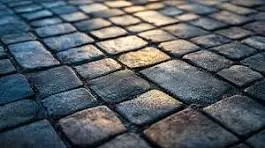
Natural stone adds elegance, character, and lasting value to residential and commercial properties. Marble, granite, travertine, limestone, and slate are popular choices for countertops, floors, patios, pool decks, walls, and walkways. However, many natural stones contain tiny pores that can absorb water, oils, food, dirt, and other contaminants. Proper sealing and routine maintenance can help protect these surfaces and preserve their appearance. For property owners researching natural stone sealing Tampa, understanding the benefits and maintenance requirements is an important first step.
Natural stone is durable, but durability does not mean it is completely resistant to stains or moisture. Porous materials can absorb liquids below the surface, potentially causing discoloration and making stains more difficult to remove.
A quality stone sealer helps reduce absorption by creating protection within or across the stone's surface. Although sealing does not make stone completely stain-proof, it can provide valuable protection and give property owners more time to clean spills before they penetrate deeply.
Proper natural stone sealing can provide several practical benefits:
Tampa's warm, humid climate and seasonal rainfall can create additional maintenance considerations for exterior stone. Patios, pool surrounds, outdoor kitchens, entryways, and walkways may regularly come into contact with rainwater, humidity, dirt, and organic debris.
Moisture exposure does not necessarily damage every type of stone, but porous surfaces can be more susceptible to absorption. Regular cleaning and an appropriate sealing routine can help manage these conditions while keeping exterior surfaces looking well maintained.
Different stones have different levels of porosity, so the appropriate sealing method depends on the material, finish, and location.
Marble and limestone are porous materials that can be sensitive to acidic substances. Sealing can help reduce absorption, while gentle, pH-neutral cleaners are generally appropriate for routine stone care.
Granite is typically more resistant to absorption than some other natural stones, but certain granite varieties may still benefit from periodic sealing. High-use kitchen countertops and other frequently handled surfaces should be evaluated based on their specific characteristics.
Travertine has natural pits and variations that can collect moisture and debris. Slate also varies in porosity. Both materials benefit from cleaning and sealing methods selected specifically for their surface characteristics.
There is no single resealing schedule that works for every stone surface. Stone type, traffic, location, moisture exposure, cleaning habits, and the type of previous sealer can all affect how long protection lasts.
A simple water absorption test can sometimes indicate whether a surface requires additional attention. Professional evaluation may be useful when stone has existing stains, an older coating, or uncertain maintenance history.
Sealing should be part of a complete stone maintenance routine. Clean spills promptly, use products designed for the specific stone, and avoid harsh acidic or abrasive cleaners that could damage sensitive surfaces or finishes.
For homeowners and property managers searching for natural stone sealing Tampa, choosing a sealing approach based on



Comment