Alerts

-
7 minutes, 41 seconds
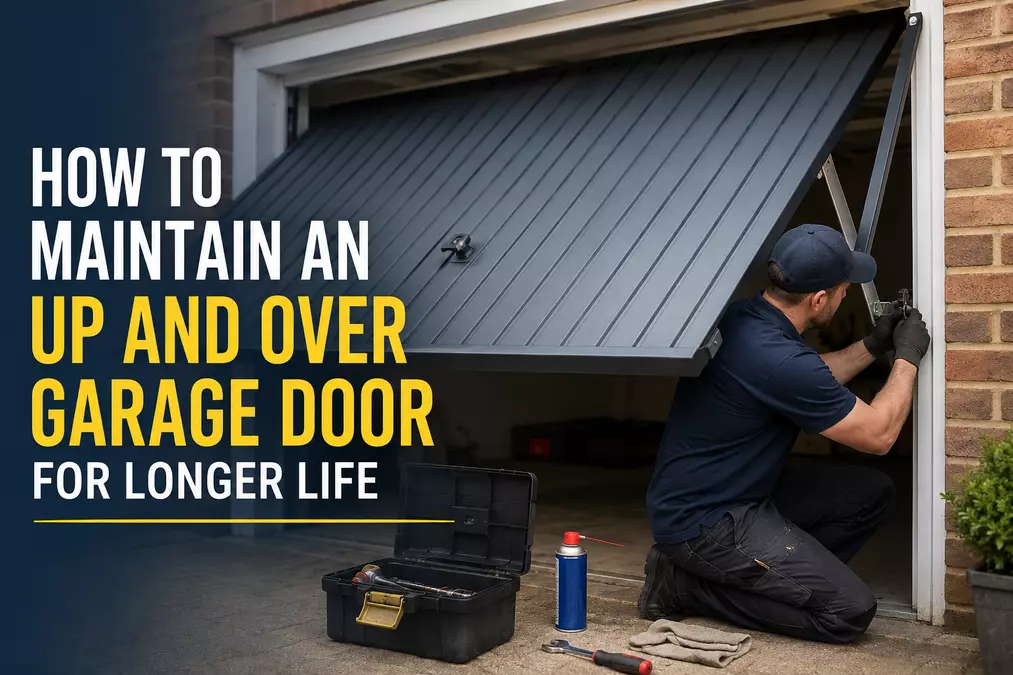
A garage door is used frequently, often several times a day, so regular care can make a noticeable difference to its performance and appearance. An up and over garage door is particularly popular because of its straightforward operation and practical design. However, like any mechanical feature, it needs routine attention to remain safe, smooth, and reliable over the years. Simple maintenance can help prevent unnecessary wear, identify minor problems early, and reduce the likelihood of expensive repairs.
One of the easiest maintenance tasks is keeping the door clean. Dirt, dust, leaves, and other debris can collect around the frame, hinges, tracks, and moving components. Over time, this buildup can interfere with smooth operation and contribute to corrosion.
Wash the door periodically with mild soap and water, particularly after periods of poor weather. Avoid harsh chemicals that could damage protective finishes. Once cleaned, inspect the surrounding frame and threshold for dirt or objects that could obstruct movement.
A clean garage environment also helps protect the Up and over garage doors from unnecessary exposure to moisture and abrasive particles.
The moving parts are among the most important areas to check. Hinges, rollers, springs, cables, and other hardware experience repeated movement whenever the door opens or closes. Loose, damaged, or worn components can eventually affect performance.
During a visual inspection, look for signs such as rust, unusual gaps, bent hardware, or components that appear loose. If the door begins making grinding, squeaking, or knocking sounds, it may indicate that a component needs professional attention.
Avoid attempting to dismantle springs or other tensioned parts yourself. These components can store significant energy and should be inspected or repaired by a qualified professional.
Proper lubrication can help reduce friction and keep moving components operating smoothly. Depending on the design, hinges, rollers, bearings, and other designated points may require periodic lubrication.
Always use a lubricant recommended for garage door mechanisms and follow the manufacturer's guidance. Excessive lubrication can attract dust and debris, so applying a small amount to the correct locations is generally better than coating every component.
A well-maintained up and over garage door system should move consistently without excessive resistance, squeaking, or sudden changes in speed.
Balance is another important aspect of garage door maintenance. A properly balanced door should move steadily without appearing unusually heavy on one side. If the door suddenly becomes difficult to lift, drops quickly, or does not stay in position when appropriate, there may be an issue with the springs or counterbalance mechanism.
Do not attempt to adjust springs yourself. Instead, arrange an inspection with a trained garage door technician. Professional servicing can identify balance problems before they place additional stress on the opener, hinges, and other components.
Metal garage doors can become vulnerable to rust when protective coatings are damaged or when moisture remains on exposed areas. Regularly inspect the surface for scratches, chips, bubbling paint, or early signs of corrosion.
Small areas of surface damage may be addressed before they become more serious. Keeping the door dry and maintaining its protective finish can also help extend its visual and structural life.
For homeowners considering a Traditional up and over garage door, choosing durable finishes and carrying out regular inspections can be especially useful for preserving its classic appearance.
Safety should always be part of routine maintenance. If the garage door has an automatic opener, check that its safety mechanisms operate correctly according to the manufacturer's instructions.
The door should respond consistently to its controls, and safety features should not be bypassed or disabled. If the door reverses unexpectedly, fails to respond correctly, or behaves differently from normal, stop using it until the problem has been assessed.
An Automatic up and over garage door can provide convenient access, but automation also means that electrical and mechanical components need appropriate professional checks when problems occur.
Changes in sound can provide an early warning that something is wrong. A door that previously operated quietly but begins producing loud squeaks, rattles, grinding sounds, or repeated knocking should not be ignored.
Unusual noises can result from loose hardware, worn rollers, inadequate lubrication, alignment problems, or other mechanical issues. Identifying the source early can help prevent a small issue from developing into a larger repair.
Homeowners should avoid repeatedly operating a noisy door in the hope that the problem will disappear. A professional assessment is often the safer approach.
Alignment affects how smoothly the door opens and closes. If the door appears uneven, rubs against the frame, or moves with excessive resistance, there may be an alignment or hardware issue.
Regular visual checks can help homeowners notice these changes early. Do not force the door if it becomes stuck or unusually difficult to operate. Excessive force can place additional strain on the mechanism.
If the door requires repeated adjustments or has visible structural damage, professional up and over garage door replacement may eventually be more practical than continuing to repair an ageing system.
DIY cleaning and visual inspections are useful, but they cannot replace professional maintenance. A qualified technician can inspect components that are difficult for homeowners to assess safely, including springs, cables, fixings, operating mechanisms, and automated equipment.
Companies such as HD Doors can help homeowners identify developing problems and determine whether servicing, repair, or replacement is appropriate. Professional maintenance is particularly valuable when a door is used frequently or has been installed for many years.
For anyone planning an up and over garage door installation, discussing maintenance requirements with the installer can also help ensure that the chosen system is suitable for the property and expected level of use.
Minor issues rarely become better through continued use. A loose hinge, worn roller, damaged seal, or unusual operating noise may initially seem insignificant, but continued operation can increase stress on other components.
Scheduling repairs when problems first appear can help maintain reliable operation and potentially extend the service life of the door. It can also reduce the risk of unexpected breakdowns that interfere with daily garage access.
For additional information about the relationship between professional maintenance and longevity, readers can also explore the article “How Garage Door Repair Services Help Extend Door Lifespan” on GuestPostGlobal. It provides useful context on how timely garage door repairs can help reduce wear and maintain long-term performance.
Weather conditions can affect garage doors throughout the year. Heavy rain, strong winds, frost, and prolonged sunlight can gradually affect finishes, seals, hardware, and moving components.
After periods of severe weather, perform a quick inspection for visible damage or debris. Check that seals remain in place and that water is not collecting around the bottom of the door.
Where possible, keeping the garage reasonably dry and well ventilated can also help limit moisture-related problems.
Regular care can significantly extend the useful life of a garage door, but every system eventually reaches the point where replacement makes more sense. Repeated breakdowns, severe corrosion, structural damage, outdated mechanisms, or increasing repair costs may indicate that the door has reached the end of its practical service life.
A professional can assess the condition and explain whether continued maintenance is worthwhile. In some cases, replacing an older system with a modern Upward-opening garage door can provide improved convenience, security, and reliability.
Maintaining a garage door does not have to be complicated. Cleaning the surface, inspecting hardware, lubricating appropriate components, checking balance, monitoring unusual sounds, and arranging professional servicing can all contribute to longer-lasting performance.
The key is consistency. Small maintenance tasks performed throughout the year can help identify problems before they become serious. When specialist attention is needed, qualified technicians can safely inspect mechanical and electrical components and recommend the most appropriate solution.
By combining routine care with professional servicing, homeowners can keep their garage access dependable while protecting their investment for many years.
A basic visual inspection can be performed regularly, while professional servicing is generally useful at least once a year. High-use doors may benefit from more frequent checks.
Unusual noises, uneven movement, sudden difficulty opening, visible damage, rust, loose hardware, or problems with an automatic opener can all indicate that professional inspection is needed.
Spring systems can be dangerous because they operate under considerable tension. Spring repairs and adjustments should be handled by qualified garage door professionals.
Yes. Removing dirt, debris, and moisture can help protect finishes and prevent buildup around moving components. Regular cleaning also makes it easier to spot early signs of damage.
Replacement may be worth considering when the door has extensive structural damage, frequent mechanical failures, severe corrosion, or repair costs that are becoming disproportionate to the door's remaining useful life.





Comment