Alerts

-
5 minutes, 54 seconds
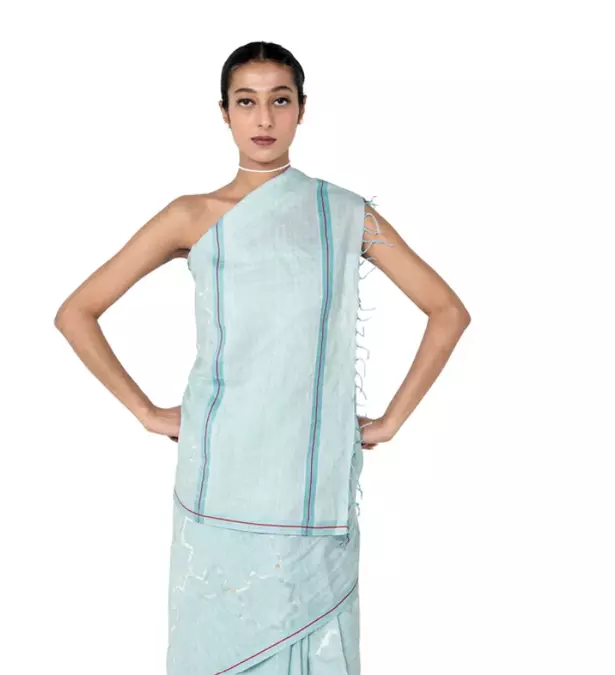
You've saved a few tabs, scrolled through hundreds of photos, and found a saree that looks perfect on screen. Then the doubts start. Is the silk real? Is it handwoven or just labelled that way? Will the colour match the photo? And why does one "handloom pure silk sarees" saree cost ₹4,000 while another costs ₹40,000?
These are fair questions. The market is full of powerloom imitations, blended fabrics sold as silk, and vague descriptions that say little. A silk saree is also one of the few garments people keep for decades and pass down, so a wrong choice costs more than money.
The good news is that a few basic principles will help you shop with confidence. This guide covers what makes a saree handloom, how to match a weave to your needs, and how to buy handloom sarees online without second-guessing every click.
What "handloom" means. A handloom saree is woven on a loom operated by hand and foot, without electricity. The weaver controls the tension of the threads, places the motifs, and often spends days or weeks on a single piece. This is why handloom sarees have slight, charming variations. A motif may sit a millimetre off from its twin, and the border may have a subtle rhythm that machines can't replicate.
A powerloom saree is made on an automated machine. It can look similar in a photo, but it is produced in a fraction of the time, with uniform patterns and often a flatter feel.
What "pure silk" means. Pure silk is made from natural filaments spun by silkworms. Common varieties include:
Mulberry silk: smooth, lustrous, and the most widely used.
Tussar (Kosa) silk: a textured, earthy silk with a natural golden tone.
Eri and Muga silk: rarer silks from Northeast India, valued for durability and a distinct sheen.
Handloom pure silk sarees combine both qualities: natural fibre and human craftsmanship. That combination is why they drape beautifully, last for years, and often become heirlooms.
Know the weaves. Many regions have their own silk traditions:
Banarasi: rich brocade work, often with zari, suited to weddings and festivals.
Kanchipuram: heavy, durable silk with contrasting borders and temple motifs.
Chanderi silk-cotton: sheer, light, and elegant for daytime events.
Maheshwari: a soft, lightweight weave with distinctive reversible borders.
Bhagalpuri and Tussar: breathable, textured, and good for everyday or office wear.
Instead of browsing at random, work through these five questions in order.
1. What is the occasion?
Weddings and major festivals call for heavier weaves like Kanchipuram or Banarasi. Receptions, parties, and cultural events suit lighter brocades or Chanderi. For work or regular wear, choose soft Tussar, Maheshwari, or lightweight silks.
2. How much weight can you comfortably carry?
A traditional bridal silk can weigh well over a kilogram. If you'll be wearing the saree for six hours or more, lighter weaves are easier to manage, especially in warm weather.
3. What colour palette suits your wardrobe and skin tone?
Choose a shade you'll want to wear repeatedly, not just once. Jewel tones such as deep green, maroon, and indigo tend to age well and pair easily with different blouses and jewellery. Check how the colour is described in text as well as in the photo, since screens can distort shades.
4. Is the zari and detailing worth it?
Zari adds shine and cost. Real zari is woven with metal-wrapped thread and can raise the price considerably. If you want a subtler look, a saree with minimal woven motifs may serve you better and be easier to maintain.
5. What is your realistic budget?
Handloom work is time-intensive, so very low prices should prompt caution. Set a range first, then compare options within it. A fairly priced handloom saree reflects fair wages for the weaver.
Consider Meera, who has a cousin's wedding in December and also wants one saree she can wear to the office afterwards.
Occasion: a winter wedding, plus occasional work wear.
Weight: she'll be on her feet all evening, so she wants a moderately light drape.
Colour: she picks a deep teal that works for both settings.
Zari: a fine zari border for the wedding, but nothing so heavy that it can't be worn again.
Budget: a fixed range, which narrows her search quickly.
Using these filters, she shortlists a lightweight Banarasi silk with a modest border over a heavy Kanchipuram. She can wear it to the wedding with statement jewellery and later pair it with a simple blouse for work. Five questions turned hundreds of options into three, and she chose with clarity instead of hurry.
When you shop for handloom sarees online, you can't touch the fabric, so the seller's transparency matters more. Look for these signals:
Certifications: The Silk Mark label certifies natural silk, and the Handloom Mark identifies genuinely handwoven textiles. Neither is a perfect guarantee on its own, but they are useful starting points.
Detailed product descriptions: Good listings state the fibre, weave type, region, dimensions, blouse piece details, and care instructions. Vague phrases like "silk-like" or "premium fabric" are red flags.
Close-up photographs: Zoomed images of the weave, border, and pallu show real texture. If a listing only offers styled photos, ask for more.
Information about the weavers or the process: Sellers who name the weaving cluster, craft tradition, or artisan group tend to be more accountable.
Clear return and exchange policies: Because colour can vary slightly between screen and reality, check whether returns are possible and under what conditions.
Realistic pricing: If a "pure Kanchipuram handloom silk" costs less than the raw silk and zari would, something is wrong.
A note on the burn test. You may have heard that burning a thread reveals whether silk is real. It can be an indicator, since pure silk burns slowly and smells like burnt hair, but it should be done carefully and on a loose thread only. Don't damage the saree to test it, and rely on certifications and seller credibility first.
Care basics. Dry clean heavy silks, store them folded in a muslin cloth, refold them every few months to avoid permanent creases, and keep them away from direct sunlight and moisture. With good care, a handloom silk saree can last generations.
A good silk saree isn't a rushed purchase. It's a small piece of living craft, shaped by hands and time. Start with your occasion, choose a weave that suits it, check for authenticity markers, and buy from sellers who are open about how and where their sarees are made.
If you'd like to see how thoughtful, weaver-led design looks in practice, explore the handloom collections at Raw Mango, where heritage weaves and contemporary sensibility sit side by side. Whether you're after your first handloom pure silk saree or adding to a growing collection, a little patience will help you find one you'll treasure for years.




Comment