Alerts

-
7 minutes, 50 seconds
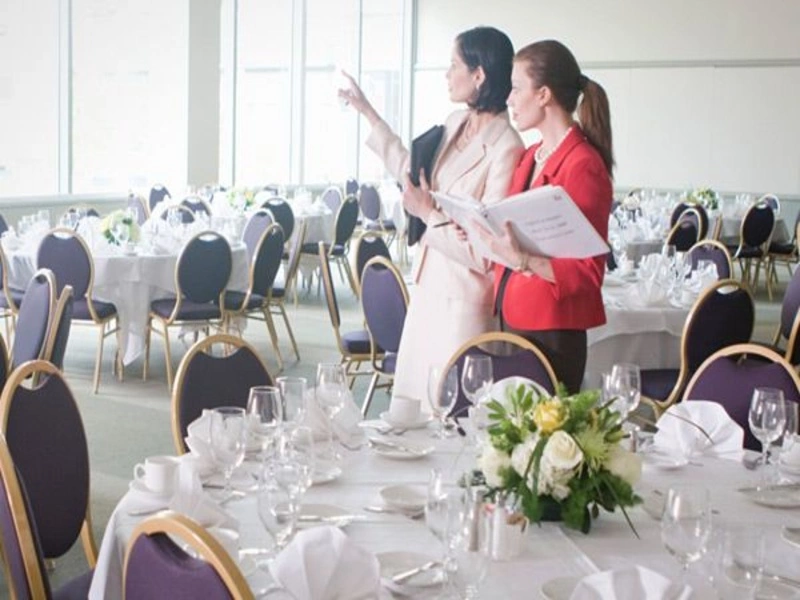
A corporate event represents your business long before the first presentation begins. The venue, guest experience, stage setup, programme, and overall organisation all influence how attendees perceive your company. Whether you are planning a product launch, business conference, networking gathering, or brand activation, managing these details requires careful preparation and coordination.
Choosing the right event partner can make the process easier, but the decision should involve more than comparing prices or looking at attractive event photographs. You need a team that understands your objectives, communicates clearly, manages practical requirements, and can turn your ideas into a well-organised experience.
Abu Dhabi offers a variety of venues and event formats, giving businesses many options to consider. Knowing what to evaluate before booking will help you select a suitable team, manage your budget, and reduce avoidable problems during planning and delivery.
Before approaching event organisers, decide what you want the event to achieve. A clear purpose helps the planning team recommend suitable formats, venues, activities, and production requirements.
For example, a product launch may focus on presenting a new offering and attracting media attention. A corporate conference may prioritise knowledge sharing, speaker coordination, and networking. An employee gathering may require a different atmosphere, programme, and arrangement of activities.
Include the following details in your initial brief:
Event purpose and target audience
Expected number of attendees
Preferred date, location, and duration
Estimated budget
Required services and technical equipment
Brand guidelines and programme expectations
You do not need to finalise every detail before contacting a planner. However, sharing your main requirements gives potential providers a better understanding of the project and makes their proposals easier to compare.
Different events require different skills. A team experienced in conference coordination may be well suited to managing speakers, schedules, and presentation equipment, while a team specialising in product launches may bring stronger experience in stage design, brand displays, and audience engagement.
When reviewing an organiser's portfolio, look for work that resembles your planned event in purpose, size, or complexity.
Photographs show the final appearance, but they do not explain how the event was managed. Ask about the team's responsibilities, the planning process, and how it coordinated suppliers and handled changes.
Useful questions include:
Has the team managed similar corporate events?
What parts of the event did it handle directly?
How does it coordinate technical and production requirements?
Who will oversee the event on the day?
An Event organiser in abu dhabi should be able to explain how its approach fits your specific requirements rather than relying only on general descriptions of its services.
Choose a provider whose experience matches your priorities, not simply the one with the largest portfolio.
Some event organisers provide end-to-end planning and coordination, while others focus on selected services. Understanding this difference helps you avoid booking a package that leaves important tasks unassigned.
Depending on your event, you may need event concept development, venue coordination, stage production, audiovisual arrangements, exhibition design, photography, videography, or support with live event delivery.
Request a written breakdown of the proposed services. Confirm whether the team will manage suppliers, oversee setup, coordinate the programme, conduct technical checks, and supervise activities during the event.
For a conference, for instance, you may need support with speaker schedules, seating arrangements, microphones, and presentation screens. For a product launch, branded displays, lighting, and stage transitions may be more important.
Identify any services that are excluded or charged separately. This will help you understand the actual scope of the proposal before making a commitment.
Corporate events should reflect the organisation behind them. The design, content, atmosphere, and guest journey should support the event's purpose rather than simply look impressive.
During the initial discussion, explain your brand identity, audience expectations, and the message you want attendees to remember. A suitable planning team should use this information to develop ideas that fit your objectives and practical limitations.
Ask the organiser to explain how its creative recommendations connect to your goals. A stage design, for example, should support visibility and presentations as well as reflect the brand. An exhibition space should make important information easy to understand while allowing visitors to move comfortably.
Look for a balance between visual appeal and functionality. An elaborate design may not be worthwhile if it consumes too much of the budget or makes the programme difficult to manage.
The strongest concept is one that gives guests a clear, engaging experience while remaining achievable within the available time and resources.
Event proposals can differ significantly in price because providers may include different services, equipment, staffing, and production arrangements. A lower quotation is not always the most economical option if essential requirements are missing.
Ask each shortlisted team to provide a clear cost breakdown. Review venue charges, production expenses, supplier fees, staffing, design work, and any applicable taxes or additional costs.
Corporate events can change during planning. Attendance may increase, the programme may expand, or a speaker may request additional equipment. Find out how these changes will affect the budget and who must approve additional spending.
For example, one proposal might include sound equipment and technical support, while another charges for them separately. Comparing the total scope gives you a more accurate picture of value.
Set aside a reasonable contingency amount based on the event's complexity. Agree on payment milestones, cancellation terms, and approval procedures before signing the contract.
A corporate event involves many connected tasks, so clear communication is essential. Delayed approvals, unclear responsibilities, and conflicting instructions can affect everything from supplier bookings to the final programme.
Notice how the planning team communicates during your first conversations. Does it listen carefully, ask useful questions, and explain its recommendations in straightforward language?
Ask who your main contact will be and how progress updates will be shared. You should also understand how the team will track deadlines, collect approvals, and communicate urgent changes.
A practical planning process should include a schedule, task responsibilities, regular updates, and clear decision-making arrangements. This gives everyone a shared understanding of what needs to happen and when.
When discussing your requirements with an event management company in Abu Dhabi, explain your preferred communication style and approval process early. This helps establish realistic expectations and reduces confusion as the event approaches.
Technical arrangements can have a major effect on the success of a corporate event. Sound problems, presentation failures, poor lighting, or delayed stage setup can interrupt the programme and affect the audience's experience.
Ask how the team will coordinate audiovisual equipment, lighting, displays, staging, and technical staff. Confirm whether the proposal includes equipment testing and rehearsals before guests arrive.
The schedule should cover supplier access, installation, sound checks, rehearsals, guest arrival, programme timings, and dismantling. It should also identify who is responsible for each activity.
For a conference with multiple speakers, the team should know when presentations will be loaded and tested, who will manage microphone changes, and how the next speaker will be prepared.
Ask how the organiser will respond if a technical issue occurs during the event. A clear troubleshooting process and suitable backup arrangements can help the team respond quickly without unnecessary disruption.
The guest experience extends beyond the main programme. Attendees should be able to find the venue, enter the event, understand the schedule, and move between activities without confusion.
Discuss venue suitability with the planning team, including capacity, access, seating, registration areas, and technical restrictions. For events in Abu Dhabi, confirm venue-specific requirements and any applicable approvals early enough to accommodate them in the schedule.
Consider the arrival process, signage, accessibility, refreshments, and opportunities for networking. If guests must move between several spaces, allow sufficient time and provide clear directions.
A good organiser will consider these practical details alongside the event's visual design. This creates an experience that feels organised and comfortable rather than rushed or confusing.
Before making your final decision, check references, client feedback, and the clarity of the proposed agreement. Look for evidence of dependable communication, organised delivery, and professional handling of unexpected changes.
Ask for references from clients who have organised comparable events, where available. Their feedback may help you understand how the provider manages deadlines, supplier coordination, and last-minute requests.
Read the agreement carefully and confirm that it reflects the final proposal. It should clearly state the deliverables, payment terms, cancellation conditions, responsibilities, and process for approving changes.
Avoid relying solely on verbal promises. If a service or important commitment has been discussed, ask for it to be included in writing before booking.
Choosing a corporate event organiser involves evaluating much more than price or creative ideas. Relevant experience, service coverage, budget transparency, communication, technical coordination, and guest experience all deserve careful consideration.
Start with clear objectives, compare proposals against the same requirements, and confirm responsibilities before signing an agreement. By selecting a team that understands your business goals and can manage the practical details, you can plan a corporate event that feels professional, organised, and meaningful to its audience.



Comment