Alerts

-
11 minutes, 44 seconds
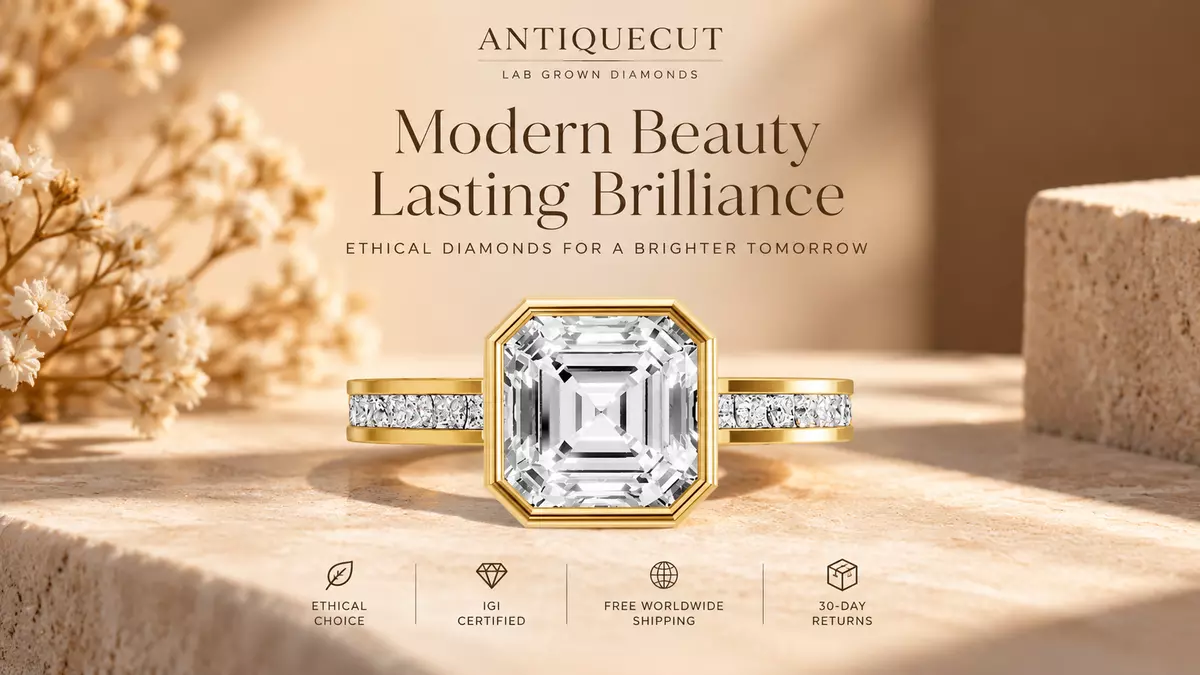
An engagement ring is something many people wear throughout the day, whether they are working, travelling, cooking, exercising, or spending time with family. Choosing a ring for daily use means looking beyond its appearance. The setting should hold the diamond securely, the band should feel comfortable, and the design should suit the wearer's regular activities.
Bezel engagement rings are worth considering for these reasons. In a bezel setting, a metal rim surrounds the outer edge of the diamond, helping hold it in place while covering its sides. This design has a clean outline and a practical shape that many people prefer for everyday wear.
Lab-grown diamonds offer another option for buyers who want a diamond with the same basic chemical composition and crystal structure as a mined diamond. When paired with a bezel setting, they provide a choice that combines a diamond centre stone with a setting designed for regular use.
Before selecting a ring, it helps to understand the different settings, diamond shapes, metals, and design details that affect comfort and durability.
A bezel setting uses a narrow strip of metal that follows the outline of the centre diamond. Unlike a traditional prong setting, which holds the stone with small metal claws, a bezel setting surrounds the diamond's perimeter.
The metal rim helps protect the diamond's edges from direct contact with hard surfaces. This can be especially useful for people who frequently use their hands at work or during everyday activities.
Another advantage is that a bezel setting has fewer exposed parts that can catch on clothing, hair, or fabric. The smooth outline can make the ring easier to wear under gloves or while putting on certain types of clothing.
However, a bezel setting does not make a ring indestructible. The diamond can still be damaged by a hard impact, and the metal can become scratched or bent. The quality of the setting and the skill of the jeweller remain important.
When shopping, examine the way the metal follows the diamond. The rim should look even, and the stone should sit securely without visible gaps or uneven edges.
The shape of the centre diamond influences the ring's overall appearance, proportions, and how well it fits your daily routine. Different shapes also create different outlines when surrounded by a metal rim.
Round diamonds are a popular choice because their circular outline works well with a full bezel. The rounded shape has no pointed corners, and the setting can create a balanced appearance on the finger.
This option suits buyers who want a ring that pairs easily with different clothing styles and other jewellery.
Oval diamonds have an elongated outline that can make the centre stone appear longer across the finger. An oval bezel setting can create a smooth, continuous frame around the diamond.
Check the ring's length and width before buying. A larger oval may extend farther across the finger, which can affect comfort when gripping objects or working with your hands.
Emerald-cut diamonds have a rectangular outline with clipped corners and step-cut facets. A bezel can follow the shape closely, creating a defined border around the stone.
Because this cut has broad, open facets, buyers should inspect the diamond carefully for visible inclusions and overall clarity. The bezel protects the perimeter, but it does not hide every feature within the stone.
Pear-shaped diamonds have one rounded end and one pointed end. They can create a distinctive ring design, but the pointed tip deserves particular attention.
If you prefer this shape, ask the jeweller how the tip is protected within the setting. A well-fitted bezel should follow the stone's outline without leaving the point exposed.
Consider the diamond's size as well as its shape. A ring that looks attractive in a product photograph may feel different when worn throughout a full day.
Bezel settings are available in several styles. Understanding the differences will help you choose a ring that matches your preferences and daily needs.
Full bezel set engagement rings have a metal rim that surrounds the diamond's entire perimeter. This is a practical option for buyers who prefer a setting with fewer exposed edges.
The rim can be made in yellow gold, white gold, rose gold, or platinum, depending on the design and the jeweller's available options. Each metal creates a different visual effect around the centre stone.
When comparing rings, check the thickness of the rim. A very wide bezel can make the diamond appear smaller, while a narrow rim may create a lighter outline. The best choice depends on the stone's dimensions and your preferred appearance.
A bezel diamond engagement ring with a slim band places the focus on the centre stone. This style can feel less bulky than a design with a broad band, although the overall comfort depends on the ring's proportions.
Inspect the underside of the setting and the transition between the centre stone and the band. Smooth edges and a well-finished interior can make a noticeable difference during daily wear.
Unique bezel engagement rings may feature asymmetrical designs, coloured gemstones alongside diamonds, two-tone metals, or unusual diamond placements.
If you prefer something less common, look for a design that balances appearance with practicality. Raised decorative elements, sharp edges, or large side details can make a ring more likely to catch on clothing or objects.
A distinctive design can still be suitable for everyday use when its proportions and construction are carefully considered.
A bezel solitaire engagement ring features one central diamond without additional side stones. Its straightforward construction makes it a useful choice for buyers who prefer a single focal point.
The solitaire style is also relatively easy to coordinate with wedding bands. You can choose a plain band, a matching bezel design, or a curved band that fits around the engagement ring's setting.
Before purchasing, check whether the engagement ring sits flush against a wedding band. Some bezel designs leave a small gap because of the shape of the setting.
A lab-grown bezel engagement ring combines a laboratory-created diamond with a bezel setting. Lab-grown diamonds are produced using controlled processes that replicate the conditions needed for diamond growth. They have essentially the same chemical composition and crystal structure as mined diamonds.
Their appearance and quality still depend on individual characteristics, including cut, colour, clarity, and carat weight. Two diamonds with the same carat weight may look different because their proportions and dimensions are not identical.
When comparing stones, consider these points:
Cut: Look for a diamond with proportions that allow light to return through the top of the stone.
Colour: Decide whether you prefer a colourless appearance or whether a slightly warmer tone suits your chosen metal.
Clarity: Check for inclusions and blemishes, particularly if they are visible without magnification.
Carat weight: Compare the diamond's actual measurements instead of relying on carat weight alone.
Certification: Review an independent grading report when available, and confirm that its details match the diamond being sold.
A well-chosen lab-grown diamond can meet the needs of buyers who want a diamond centre stone without choosing a mined diamond. The right selection depends on your budget, preferred appearance, and the quality of the individual stone.
The metal affects the ring's colour, maintenance requirements, and resistance to everyday wear. Think about your daily routine and the other jewellery you normally wear.
Yellow gold creates a warm contrast with a diamond. It is available in different purity levels, including 14-karat and 18-karat gold.
For regular use, ask about the alloy composition and the band's thickness. Gold is not scratch-proof, and softer alloys may show marks more readily.
White gold offers a lighter metal colour that works well with many diamond shapes. Some white gold rings receive rhodium plating to achieve a bright white finish.
Depending on the alloy and the wearer's routine, the plating may need maintenance over time. Ask the jeweller about the specific metal composition and any recommended care.
Rose gold has a pinkish tone created by its alloy composition. It can give a bezel setting a different appearance from yellow or white gold.
As with other gold alloys, the exact durability depends on the metal mixture, purity, and construction of the ring.
Platinum is a dense metal used in fine jewellery. It can be a good choice for buyers who prefer a naturally white metal and are comfortable with its weight and cost.
Platinum can develop surface marks with use, so it should not be considered scratch-proof. Ask a jeweller about its maintenance requirements before making your decision.
A ring designed for everyday wear should feel secure without restricting your finger. A ring that is too tight can become uncomfortable as your fingers change size throughout the day, while a loose ring may rotate or slip off.
Have your finger measured by a qualified jeweller. If possible, check the fit more than once, especially if your fingers tend to swell in warm weather.
Consider the following details:
Band width: Wider bands can feel tighter than narrow bands in the same nominal size.
Band profile: A rounded interior may feel different from a flat interior.
Setting height: A lower-profile bezel may be less likely to catch on objects.
Centre-stone size: Larger stones can make a ring feel top-heavy or rotate on the finger.
Wedding band fit: Check how the two rings sit together if you plan to wear them as a pair.
Try the ring on and make a gentle fist, hold a phone, and move your fingers naturally. These simple checks can help you assess whether the design suits your routine.
A bezel setting can be a practical choice, but the right design depends on how you use your hands.
For office work, a low-profile ring with a smooth band may feel comfortable throughout the day. For people who frequently handle equipment, tools, or materials, a setting with fewer raised details may be easier to manage.
If your work involves heavy lifting, machinery, chemicals, or repeated contact with hard surfaces, removing the ring may be safer. A secure setting does not eliminate the risks associated with impact, pressure, or workplace hazards.
The same applies to exercise, gardening, cleaning, and household repairs. Sweat, dirt, cleaning products, and repeated friction can affect the ring's condition over time.
Choose a design that fits your actual routine rather than assuming you will wear it during every activity.
The price of a lab-grown bezel ring depends on several factors, including diamond quality, carat weight, metal type, setting complexity, and the jeweller's craftsmanship.
Start by deciding how much you want to spend on the complete ring. Remember to include the centre diamond, setting, taxes, resizing, and any additional services.
Compare rings with similar diamond measurements and grading information. A lower price may reflect a difference in stone quality, metal weight, design, or included services, so review the full details before making a decision.
Buyers exploring different designs can explore a lab grown bezel engagement ring at Antiquecut and compare available diamond shapes, metal choices, and setting styles.
Ask the seller about the return policy, resizing options, warranty coverage, and routine maintenance. These details can be just as important as the initial price, especially when you plan to wear the ring regularly.
Even a well-made bezel ring needs regular care. Dirt, soap, lotion, and other residue can build up around the diamond and underneath the setting.
For routine cleaning, use lukewarm water, a small amount of mild dish soap, and a soft brush. Rinse carefully and dry the ring with a soft, lint-free cloth. Follow the jeweller's care instructions, particularly if the ring contains additional gemstones or has special finishes.
Avoid exposing the ring to harsh chemicals, and do not use abrasive materials that could scratch the metal. Ultrasonic cleaners should only be used when a qualified jeweller confirms they are suitable for the specific ring and its stones.
Arrange periodic professional inspections. A jeweller can check the bezel's condition, look for damage, and identify issues that may not be obvious during a quick inspection at home.
If the ring takes a hard impact, develops a loose setting, or becomes noticeably bent, have it examined before wearing it again.
Before making your final choice, review these essential details:
Does the ring fit comfortably without pinching or rotating excessively?
Is the bezel evenly finished and fitted closely around the diamond?
Does the setting sit at a suitable height for your routine?
Have you checked the diamond's cut, colour, clarity, carat weight, and measurements?
Is the metal suitable for your budget and maintenance preferences?
Will your wedding band fit alongside the engagement ring?
Are resizing, returns, warranty coverage, and inspection services clearly explained?
Taking time to check these points can help you avoid a purchase based on appearance alone.
Choosing a ring for everyday wear involves more than selecting a diamond you like. Comfort, setting construction, metal choice, diamond quality, and maintenance all affect how well a ring fits into your life.
Bezel engagement rings offer a useful option for buyers who prefer a metal rim around the diamond and a design with fewer exposed edges. A lab-grown centre stone adds another choice for people comparing diamond origins, quality, and price.
Whether you prefer a round solitaire, an oval centre stone, or a distinctive design, focus on the ring's construction and fit. Compare the available options, ask questions about the diamond and setting, and choose a piece that feels comfortable enough for your everyday routine.





Comment