
Alerts
-
5 minutes, 44 seconds
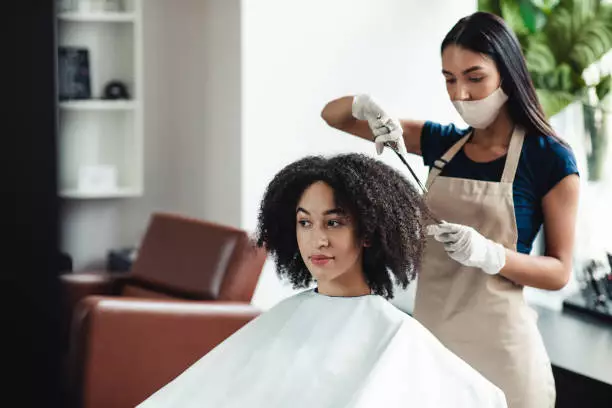
Achieving a polished appearance does not mean you have to sacrifice the health of your natural hair. With the right techniques, products, and maintenance habits, you can enjoy professional natural hairstyles that complement your workplace attire while preserving your hair's natural texture. Whether you prefer defined curls, elegant buns, flat twists, or protective styles, the key is choosing methods that minimize unnecessary tension, friction, and heat exposure. Your hair's condition, length, and curl pattern should guide your styling decisions rather than trends alone. By developing a consistent routine and understanding your hair's needs, you can create beautiful workplace looks without compromising long-term hair health.
Healthy styling begins with understanding how your hair responds to moisture, manipulation, and environmental conditions. Natural hair varies in curl pattern, density, porosity, and strength, meaning that a technique that works well for one person may not be suitable for another. Some people experience dryness and tangling, while others struggle with breakage caused by excessive manipulation or heat. Observing how your hair behaves after washing, conditioning, and styling can help you identify what it needs. This knowledge makes it easier to select professional natural hairstyles that look polished while supporting your hair's overall condition.
A healthy hairstyle should feel comfortable from the moment it is created until it is removed or refreshed. Tight ponytails, buns, braids, and twists can place unnecessary stress on the hairline when secured too firmly or worn repeatedly in the same position. The American Academy of Dermatology identifies repeated pulling from tight hairstyles as a potential cause of traction alopecia, a type of hair loss associated with tension. If you experience pain, stinging, or persistent discomfort, loosen the hairstyle rather than assuming the tension is normal. Prioritizing comfort and varying your styling techniques can help reduce avoidable stress on your hair and scalp.
Heat styling can create elegant professional natural hairstyles, but frequent exposure to high temperatures may weaken hair and increase breakage. If you use a blow-dryer, flat iron, or curling tool, begin by preparing your hair appropriately and applying a heat protectant according to its instructions. Allow your hair to air-dry partially when practical, and use a lower effective heat setting instead of repeatedly passing a hot tool over the same section. Avoid using flat irons on damp hair unless the specific tool is designed for that purpose. Limiting heat frequency and handling your hair gently can help reduce avoidable styling damage.
You can also choose styles that create a polished finish without requiring frequent heat. Twist-outs, braid-outs, flat twists, natural puffs, and carefully arranged buns offer different ways to shape your hair while retaining its natural texture. Prepare these styles when you have enough time for the hair to dry properly, since rushing the process may affect the final appearance. Experiment with techniques that work with your curl pattern rather than repeatedly trying to force your hair into a different texture. If you decide to wear a silk press occasionally, consider consulting an experienced stylist who can assess your hair's condition and recommend an appropriate approach.
Your hairstyle and clothing can work together to create a consistent professional appearance without requiring a complicated morning routine. A professional capsule wardrobe focuses on versatile pieces that can be combined easily, such as tailored trousers, classic shirts, neutral jackets, simple dresses, and comfortable shoes. Choosing a small collection of coordinating outfits can make it easier to get dressed while giving you more time to care for your hair. Rather than following every new fashion trend, select clothing that reflects your personality and suits your workplace. This practical approach allows your hairstyle to complement your overall appearance without becoming another source of daily stress.
When planning your wardrobe, consider how different hairstyles work with your clothing and daily activities. A low bun may complement a structured jacket, while defined curls can pair naturally with business-casual outfits. Flat twists, neat braids, and well-maintained locs can also create versatile looks suitable for a range of professional environments. There is no single hairstyle that defines professionalism, and your natural texture does not need to be hidden to look polished. Focus on comfort, personal expression, and any legitimate requirements of your workplace while choosing styles that support your hair's condition.
Although everyday styling adjustments can help reduce damage, persistent hair problems may require professional evaluation. Watch for changes such as thinning around the hairline, recurring scalp irritation, unusual breakage, or areas where hair appears to be losing density. These symptoms can have several possible causes, including repeated tension from hairstyles, and should not automatically be attributed to poor hair care. A board-certified dermatologist can assess your scalp and help determine the appropriate next steps. Early evaluation is particularly important when hair loss continues despite changes to your styling routine.
A qualified hairstylist can also help you choose techniques that suit your hair's condition, although a stylist cannot replace a medical professional when a scalp disorder or hair loss condition is suspected. During a salon consultation, explain your styling history, previous chemical treatments, and any discomfort you have experienced with certain hairstyles. Ask about installation tension, maintenance requirements, and alternatives if a preferred style may place too much stress on your hair. A professional who listens to your concerns and explains the available options can help you make better-informed styling decisions. The goal is to find an approach that balances appearance, convenience, and long-term hair care.
Creating attractive professional natural hairstyles without damaging your hair begins with understanding your individual needs and making thoughtful styling choices. Gentle detangling, suitable conditioning, reduced heat exposure, and comfortable hairstyles can help limit avoidable stress on your hair and scalp. You can experiment with twist-outs, buns, puffs, flat twists, and other natural looks while adjusting your routine to suit your texture and lifestyle. Consistency matters more than complicated product collections or elaborate styling techniques. By paying attention to how your hair responds, you can develop habits that support a polished appearance and more manageable everyday care.
Ultimately, healthy styling is about finding a balance between professional presentation and personal comfort. Pairing suitable hairstyles with a professional capsule wardrobe can simplify your mornings while allowing your natural texture to remain an important part of your individual style. Avoid painful hairstyles, use heat carefully, and seek qualified advice if you notice persistent scalp problems or unusual hair loss. Remember that no single routine works for everyone, and results depend on factors such as hair condition, styling practices, and individual needs. With informed choices and a realistic maintenance plan, you can enjoy versatile natural hairstyles that fit your professional life without making hair health an afterthought.



Comment