Alerts

-
3 minutes, 29 seconds
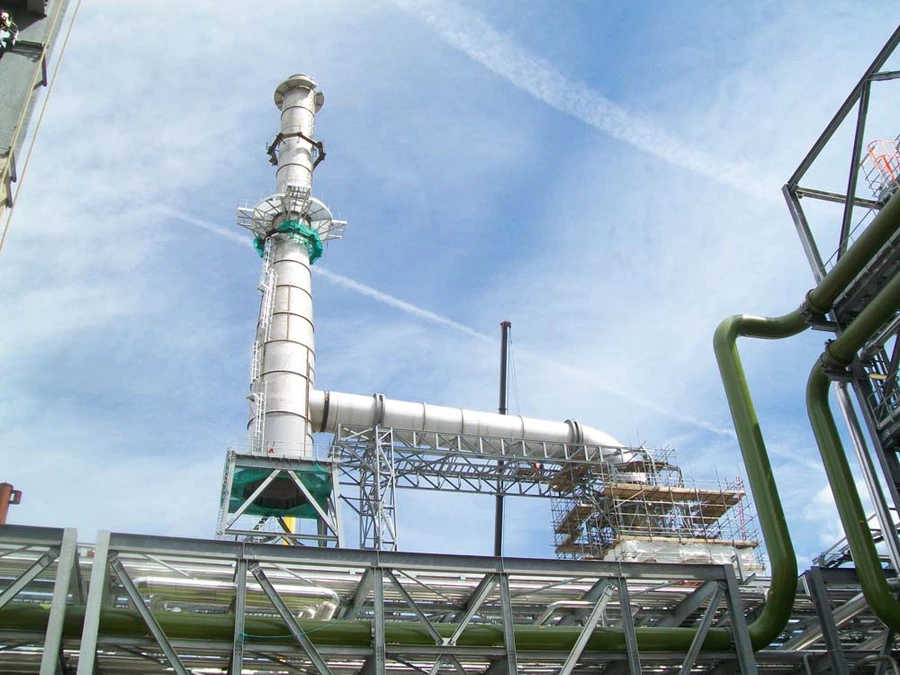
Modern construction relies on a combination of strong primary structural elements and carefully designed supporting components to create safe, efficient, and long-lasting buildings. While primary steelwork forms the main load-bearing framework, Secondary Steelwork plays an equally important role in enhancing the performance and usability of a structure. From supporting floors and walls to providing safe access for maintenance, these steel components contribute significantly to the overall strength and functionality of commercial, industrial, and public buildings. Properly designed and fabricated secondary steel elements improve structural efficiency while ensuring the building meets operational and safety requirements.
Secondary Steelwork refers to the non-primary steel components that support the main structural framework and provide essential functionality throughout a building. These elements typically include staircases, platforms, handrails, balustrades, cat ladders, walkways, equipment supports, and framing for cladding or roofing systems. Although they do not carry the primary structural loads, they are carefully engineered to distribute local loads, support building systems, and create safe, accessible spaces for occupants and maintenance personnel. Their contribution is essential for completing a fully functional structure.
One of the greatest advantages of Secondary Steelwork is its ability to improve structural stability by reinforcing areas that require additional support. Secondary members help distribute loads evenly across the structure, reducing stress concentrations on primary beams and columns. They also provide lateral support to structural elements, helping maintain alignment and reducing movement under varying loads.
In industrial environments, secondary steel components often support heavy mechanical equipment, pipework, ducting, and cable trays. By transferring these loads safely into the primary frame, they help preserve the integrity of the overall structure and reduce the risk of excessive deflection or localized failures. This balanced load distribution contributes to a stronger and more reliable building.
Beyond structural support, Secondary Steelwork greatly improves the practical functionality of a building. Access staircases, maintenance platforms, service walkways, and equipment supports allow workers to safely reach essential systems for inspection, repairs, and routine maintenance. These features increase operational efficiency while helping businesses comply with workplace health and safety regulations.
Secondary steel components also create adaptable spaces that accommodate future modifications. As industrial processes evolve or commercial facilities expand, additional services and equipment can often be integrated with minimal disruption because suitable supporting steelwork is already in place. This flexibility makes buildings more versatile and cost-effective over their lifetime.
Safety is a fundamental consideration in every construction project, and Secondary Steelwork contributes directly to achieving it. Handrails, guardrails, staircases, safety barriers, and access platforms protect workers and building occupants by reducing the risk of falls and accidents. These components are designed to comply with relevant building regulations and industry standards, ensuring they provide reliable protection under daily use.
Professionally fabricated steelwork also ensures accurate dimensions, secure connections, and consistent quality, which further enhances the safety and durability of the completed structure.
The performance of Secondary Steelwork depends heavily on precise fabrication and careful installation. Modern fabrication facilities use advanced design software, CNC cutting, automated welding, and strict quality control procedures to manufacture components with exceptional accuracy. Precision engineering allows every piece to fit seamlessly with the primary structure, reducing installation time and minimizing costly site adjustments.
Protective finishes such as galvanizing, powder coating, or specialist paint systems improve resistance to corrosion, making steel components suitable for challenging indoor and outdoor environments. These protective treatments extend service life while reducing maintenance requirements over time.
Investing in high-quality Secondary Steelwork provides lasting value for building owners, contractors, and facility managers. Well-designed secondary steel systems improve structural performance, simplify maintenance, support future building modifications, and enhance overall operational efficiency. Because steel offers excellent strength, durability, and recyclability, it remains one of the most sustainable construction materials available.
As construction projects become increasingly complex, the importance of reliable supporting steelwork continues to grow. Secondary Steelwork enables buildings to operate safely, efficiently, and flexibly while complementing the strength of the primary structural frame. By combining precision engineering with high-quality fabrication, contractors can deliver structures that perform reliably for decades, making Secondary Steelwork an essential element in successful modern construction.



Comment