Alerts

-
6 minutes, 0 seconds
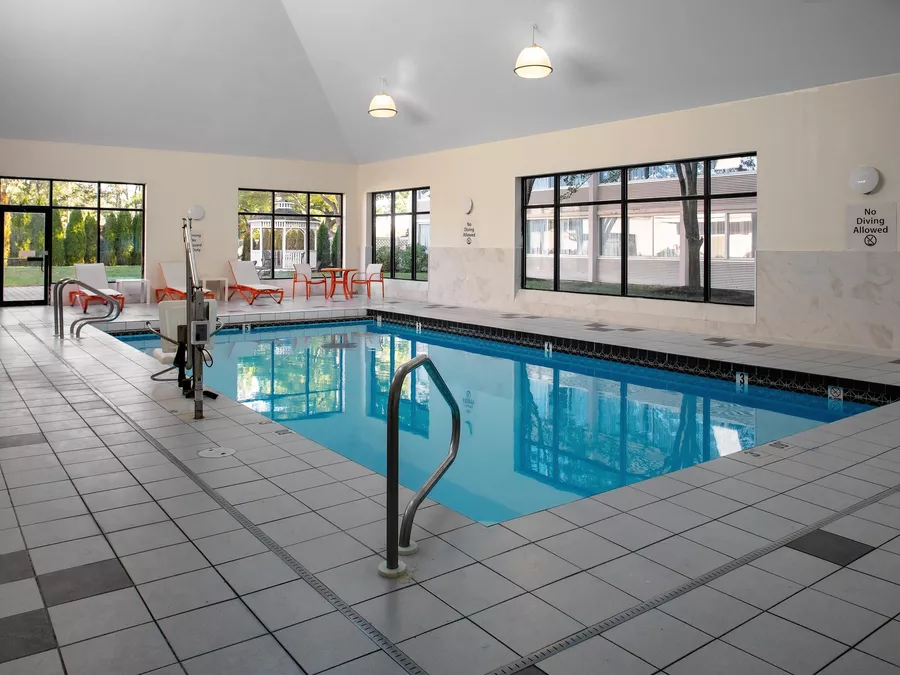
A hotel swimming pool is more than just a place for guests to relax. It is an important part of the overall guest experience and can influence how visitors view the quality, cleanliness, and professionalism of a hotel. However, keeping a busy hotel pool clean and safe requires consistent attention, specialized knowledge, and the right maintenance procedures.
Professional Hotel Pool Services provide hotels with the expertise and routine care needed to maintain attractive, hygienic, and properly functioning swimming facilities.
From water testing and chemical balancing to filtration, cleaning, and equipment inspections, professional pool maintenance covers many important tasks. When these responsibilities are handled correctly, hotels can provide guests with a safer swimming environment while protecting their pool investment.
One of the most important aspects of swimming pool maintenance is maintaining balanced water chemistry. Hotel pools can experience heavy daily use, which means contaminants such as sweat, body oils, cosmetics, sunscreen, and debris can quickly affect water quality.
Pool professionals regularly test important water parameters, including pH, chlorine or sanitizer levels, alkalinity, and other chemical factors. Keeping these levels within appropriate ranges helps control harmful microorganisms while also making the water more comfortable for swimmers.
Incorrect chemical levels can cause several problems. Water with an unsuitable pH may irritate swimmers' eyes and skin, while poorly maintained sanitizer levels can reduce the effectiveness of disinfection. Professional technicians understand how to monitor and adjust these levels as conditions change throughout the day.
Even when water chemistry is properly balanced, physical cleaning remains essential. Leaves, dirt, dust, insects, hair, and other debris can enter an outdoor or indoor hotel pool. Without regular cleaning, these materials can accumulate and negatively affect both appearance and water quality.
With professional hotel pool services, technicians typically remove debris from the surface, clean pool walls and floors, brush difficult areas, and empty skimmer baskets when necessary. Regular vacuuming also helps remove particles that settle at the bottom of the pool.
This routine cleaning creates a more attractive swimming environment and reduces the amount of debris that can circulate through the filtration system. For hotels, consistent cleanliness can make a strong impression on guests and contribute to positive reviews.
A pool's filtration and circulation systems play a major role in maintaining clear water. Water needs to circulate effectively so that contaminants can be captured by the filtration system and treated chemicals can be distributed throughout the pool.
Professional pool technicians inspect pumps, filters, valves, circulation lines, and related equipment to identify potential problems. Filters may also need cleaning or servicing according to their type and operating conditions.
A poorly maintained filtration system can result in cloudy water, inefficient circulation, and increased strain on equipment. Regular professional attention helps keep the system operating efficiently and can reduce the likelihood of unexpected failures.
Swimming pools used by large numbers of guests require careful sanitation. Without effective treatment and circulation, microorganisms can multiply in pool water and create potential health concerns.
Professional pool maintenance focuses on maintaining appropriate sanitizer levels and ensuring that the water is properly circulated and filtered. Technicians also look for areas where water circulation may be weak, as stagnant sections can create additional maintenance challenges.
Routine monitoring is especially important for hotels because their pools may be used by hundreds of guests over the course of a busy period. Professional maintenance provides a systematic approach rather than relying on occasional cleaning.
Pool safety extends beyond the water itself. The surrounding deck, ladders, handrails, drains, lighting, and other features should also be checked regularly.
Wet surfaces can become slippery, while damaged tiles or loose fixtures can create hazards for guests. Professional technicians can identify maintenance concerns during routine inspections and recommend corrective action.
Pool areas should also remain free from unnecessary clutter and debris. Good housekeeping combined with regular technical inspections creates a safer and more organized environment for hotel visitors.
Hotel pools depend on numerous mechanical and electrical components. Pumps, heaters, filters, chlorination equipment, automatic controls, and other systems all require appropriate maintenance.
Small equipment problems can sometimes become expensive failures if they are ignored. For example, an unusual pump noise or pressure change may indicate an issue that needs attention. Early identification can prevent more serious damage and reduce downtime.
Professional technicians can inspect equipment, identify signs of wear, and recommend servicing when required. Preventive maintenance is generally more effective than waiting until a major component stops working.
Guests naturally expect hotel facilities to be clean and well maintained. A swimming pool with cloudy water, visible debris, unpleasant odors, or poorly maintained surroundings can quickly damage that perception.
A consistent maintenance program helps hotels maintain a higher standard of hygiene. It also provides staff with documented routines for cleaning, testing, and inspecting pool facilities.
Professional maintenance is particularly valuable during peak seasons when swimming pools experience increased usage. Instead of allowing maintenance requirements to become overwhelming, hotels can follow a structured schedule designed around actual pool conditions.
Hiring professional pool specialists is not only about cleanliness. Preventive care can also help protect a hotel's investment.
Swimming pool equipment represents a significant expense, and poor maintenance can shorten the operating life of pumps, filters, heaters, and other components. Chemical imbalances may also contribute to corrosion, scaling, or deterioration of pool surfaces and equipment.
By identifying problems early and maintaining equipment correctly, hotels may reduce avoidable repair expenses. Regular servicing can also improve system efficiency, helping facilities operate more reliably.
A clean and well-maintained pool can become one of a hotel's most attractive amenities. Guests are more likely to enjoy a facility when the water is clear, the surroundings are clean, and equipment appears to be in good condition.
This matters particularly for resorts, family hotels, business hotels with leisure facilities, and properties that promote their swimming pools as a major attraction.
A professional maintenance routine allows hotel management to focus on guests and other operational responsibilities while qualified technicians take care of the technical aspects of pool maintenance.
Hotels looking for reliable pool maintenance can consider affordablepool as a dedicated service provider for professional swimming pool care. A dependable pool service partner can help establish regular cleaning schedules, monitor water quality, inspect equipment, and address maintenance concerns before they become larger problems.
Working with an experienced provider gives hotel management greater confidence that their pool facilities are receiving consistent attention throughout the year.
Hotel swimming pools require much more than occasional cleaning to remain attractive, hygienic, and safe. Professional Hotel Pool Services combine water testing, chemical management, cleaning, filtration maintenance, equipment inspections, and safety checks to support reliable pool operation.
For busy hotels, this professional approach can protect expensive equipment, reduce maintenance problems, improve hygiene, and create a better experience for guests. With regular care and preventive maintenance, hotels can keep their swimming facilities inviting and ready for use throughout the swimming season. Ultimately, investing in professional pool maintenance is an investment in guest satisfaction, facility safety, and the long-term value of the hotel.





Comment