Alerts

-
6 minutes, 27 seconds
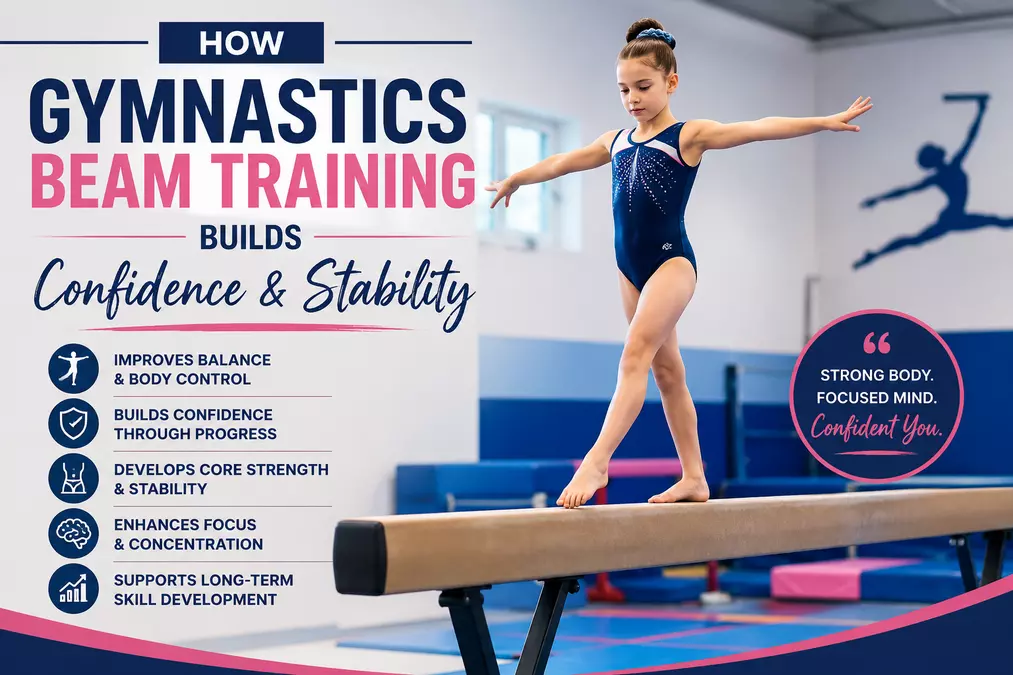
Gymnastics is a sport that combines strength, flexibility, coordination, and mental focus. For beginners and developing athletes, regular practice on a balance beam for gymnastics can be particularly useful for improving stability while gradually building confidence. Learning to control each movement, maintain posture, and complete skills with greater precision can help gymnasts feel more comfortable with their abilities.
Balance is one of the most important foundations of gymnastics. Athletes need to understand how their body responds to movement and how small adjustments can affect stability. A Gymnastics Beam provides a focused training surface where these skills can be practised repeatedly.
Walking along the beam, holding controlled positions, performing turns, and practising simple jumps all encourage better awareness of body positioning. Over time, these exercises can help gymnasts develop stronger coordination between their arms, legs, core, and upper body.
For younger athletes, beginning with simple movements is often the best approach. Once basic skills become familiar, more challenging exercises can gradually be introduced under suitable guidance.
Confidence in gymnastics often comes from repetition and gradual progress. When an athlete successfully completes a movement several times, it can reduce hesitation and create a stronger sense of control.
A gymnastics training beam allows athletes to revisit fundamental skills in a structured way. They can focus on one movement at a time rather than feeling pressured to perform a complete routine immediately. This approach can make training feel more manageable, particularly for beginners who are still becoming familiar with gymnastics equipment.
Small achievements can have a meaningful impact. Successfully maintaining balance for longer, completing a controlled turn, or improving landing technique can encourage athletes to take on new challenges.
Good balance is not only about standing steadily. It also depends on strength, especially around the core. A stable core helps gymnasts maintain their posture while moving, turning, jumping, or landing.
A gymnastics practice beam can be incorporated into a wider routine that includes appropriate conditioning exercises. Squats, lunges, controlled jumps, planks, and mobility exercises may complement beam work when selected according to the athlete's ability.
Developing strength alongside balance can help movements become more controlled. Athletes may also find that stronger physical foundations make it easier to maintain correct technique during longer training sessions.
Beam exercises require concentration because athletes have a relatively narrow surface on which to perform movements. This encourages them to pay attention to foot placement, posture, movement speed, and body alignment.
A home gymnastics beam can provide an opportunity for short, focused practice sessions between formal classes. Instead of trying to learn numerous skills at once, athletes can concentrate on one or two specific objectives.
For example, a beginner might practise walking forwards and backwards while maintaining posture. Another athlete may work on controlled poses, turns, or basic jumps. The exact exercises should always match the gymnast's experience and training level.
Consistency can make a significant difference in skill development. Regular, manageable practice gives athletes more opportunities to become familiar with movements and recognise areas that require improvement.
A structured routine could include a warm-up, mobility exercises, basic beam drills, strength work, and a cool-down. Training should remain focused on quality rather than simply increasing the duration of each session.
Rest is also an important part of development. When fatigue affects concentration or technique, athletes should stop or take a suitable break. Younger gymnasts should have appropriate adult supervision and follow guidance from qualified coaches.
Gymnastics skills should normally be developed step by step. Beginners do not need to start with advanced routines. Establishing strong fundamentals can provide a more reliable foundation for future progress.
A balance training beam can support this progression by allowing athletes to repeat basic movements before advancing to more demanding techniques. Coaches can help determine when a gymnast has developed enough strength, coordination, and confidence to progress.
Parents can also encourage positive habits by recognising effort and improvement. Comparing a young athlete with others can sometimes create unnecessary pressure, whereas celebrating personal progress can support a healthier approach to training.
When choosing equipment for home practice, families should consider the athlete's age, ability, available space, and training objectives. The equipment should be appropriate for the exercises being performed and positioned on a stable surface.
Safety should always be a priority. The surrounding area should be free from furniture, sharp objects, slippery surfaces, and other hazards. Equipment should also be checked regularly for signs of damage or excessive wear.
For families creating a broader home training environment, products from established providers such as AirTumble can be considered alongside other suitable gymnastics equipment. However, equipment should complement rather than replace qualified coaching.
Gymnasts can benefit from combining different types of equipment and exercises. Floor-based training can help develop movement patterns, flexibility, strength, and landing control, while beam work focuses more heavily on balance and precision.
An Airtrack can also complement home gymnastics practice by providing a cushioned surface for appropriate jumps, rolls, tumbling drills, and conditioning exercises. A previous article, “How an Airtrack Can Improve Gymnastics Training at Home,” explores how inflatable training equipment can support convenient practice, progressive skill development, and movement control at home.
Combining these activities can create a varied routine while allowing athletes to work on different aspects of their physical development. Each piece of equipment should, however, be used according to its intended purpose and with suitable safety measures.
Confidence in gymnastics does not usually develop overnight. It grows through practice, patience, positive feedback, and successfully overcoming manageable challenges.
Beam training can give athletes regular opportunities to see their own progress. A movement that initially feels difficult may become comfortable after consistent practice. This sense of achievement can encourage gymnasts to approach future challenges with a more positive mindset.
The goal should not simply be to perform difficult skills as quickly as possible. Developing reliable technique, body awareness, and confidence can provide a stronger foundation for continued participation in the sport.
Regular beam practice can support several important areas of gymnastics development, from balance and coordination to concentration and confidence. By starting with fundamental movements and gradually progressing, athletes can become more comfortable with their abilities while developing better physical control.
A Gymnastics Beam can therefore be a useful part of a balanced training environment, particularly when combined with suitable conditioning, floor exercises, professional instruction, and adequate recovery. With a patient and structured approach, athletes can build skills while gaining the confidence needed to take on new gymnastics challenges.
Beginners can start with walking drills, controlled poses, simple turns, balance exercises, and age-appropriate jumps. Skills should be selected according to the athlete's experience and performed with suitable supervision.
Yes. Repeated balance exercises encourage athletes to develop better body awareness, coordination, posture, and control.
Children can practise suitable beginner-level exercises at home when the equipment is appropriate, the training area is safe, and suitable adult supervision is provided. Advanced skills should be learned under qualified coaching.
Completing manageable movements through repeated practice can help athletes become more comfortable with their abilities. Small improvements can gradually build confidence and reduce hesitation.
Yes. Beam exercises can be combined with appropriate floor drills, conditioning exercises, and other gymnastics equipment. A varied routine can help athletes work on different aspects of strength, flexibility, coordination, and movement control.



Comment