Alerts

-
8 minutes, 21 seconds
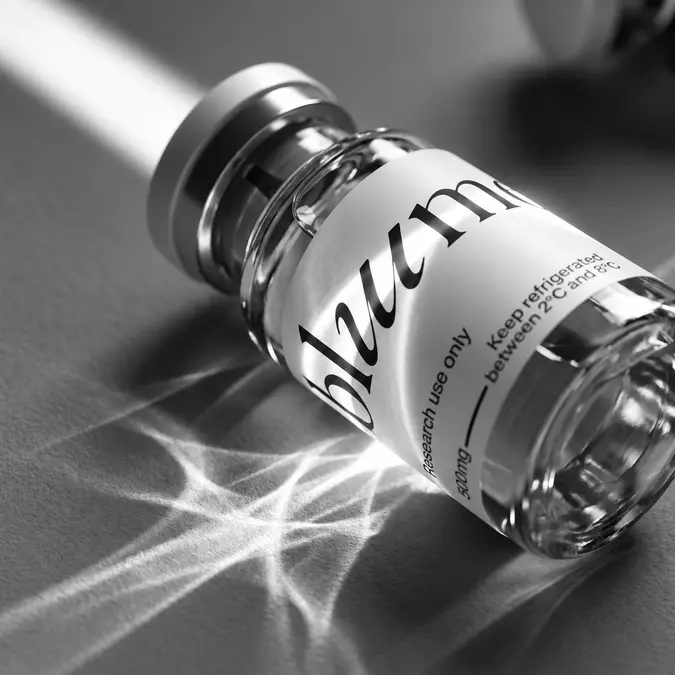
The snap 8 peptide is a synthetic cosmetic peptide that has attracted interest because of its proposed relationship with facial expression lines and the molecular machinery involved in neurotransmitter release. It is commonly identified as Acetyl Octapeptide-3 and is designed as an eight-amino-acid peptide related to the SNAP-25 protein. Unlike injectable neurotoxins, SNAP-8 is primarily discussed as a topical cosmetic ingredient. Understanding what researchers know about its structure and proposed mechanism is important because many online descriptions make stronger claims than the available evidence supports.
Research surrounding the snap 8 peptide includes biochemical and cosmetic formulation work, but its evidence base should be interpreted carefully. The proposed mechanism is connected to the SNARE complex, which plays a key role in vesicle fusion and neurotransmitter release. However, demonstrating a plausible mechanism does not automatically establish that topical SNAP-8 produces the same effect in living human skin. Current evidence also does not establish equivalence between SNAP-8 and injectable botulinum toxin treatments.
The snap 8 peptide is a synthetic octapeptide, meaning its structure contains eight amino-acid residues. It is generally identified in cosmetic ingredient terminology as Acetyl Octapeptide-3 and is also described as an extended analogue of the shorter peptide commonly known as Argireline. The additional residues distinguish SNAP-8 from Acetyl Hexapeptide-8 and give it a separate chemical identity. This distinction matters when reviewing research because evidence concerning one peptide should not automatically be transferred to another.
SNAP-8 was developed around the biology of SNAP-25, a protein involved in the SNARE complex. This complex helps nerve cells release neurotransmitters through a highly coordinated vesicle-fusion process. Because facial muscle contraction depends on nerve-to-muscle signaling, researchers have explored whether peptides modeled on SNAP-25 could influence processes associated with expression lines. The concept is scientifically interesting, but the proposed molecular mechanism should be distinguished from proven cosmetic effectiveness in humans.
The proposed mechanism begins with the SNARE complex, a group of proteins involved in neurotransmitter vesicle release. SNAP-25 is one of the proteins contributing to this complex, and SNAP-8 was designed to mimic part of its sequence. Laboratory research and technical descriptions propose that the peptide can compete with native SNAP-25 during complex assembly. If this interaction occurs under suitable experimental conditions, it could theoretically interfere with neurotransmitter release and reduce signals associated with muscle contraction.
This mechanism is often described as “Botox-like,” but that phrase can be misleading if taken literally. Botulinum toxin and SNAP-8 are chemically different substances with different delivery methods and biological behavior. Botulinum toxin acts through enzymatic cleavage of SNAP-25, whereas SNAP-8 is proposed to act through competitive interference with SNARE-complex assembly. The two approaches therefore should not be considered interchangeable.
One of the biggest unanswered questions surrounding topical SNAP-8 is whether sufficient intact peptide can cross the skin barrier and reach the biological site required for the proposed mechanism. A molecular mechanism demonstrated in vitro does not necessarily mean that the same mechanism occurs after applying a peptide to the surface of human skin. The neuromuscular junction is located beneath the skin, creating an additional delivery challenge. Current research-focused assessments identify this penetration question as an important limitation.
The finished cosmetic formulation can also influence how a peptide behaves. Vehicle composition, concentration, pH, stability, packaging, and other ingredients may affect the amount of material that remains available on or within the skin. Consequently, research involving a particular formulation cannot automatically be generalized to every product containing SNAP-8. Researchers and consumers should therefore distinguish between the properties of the isolated peptide and the performance of a complete cosmetic formulation.
The available research provides a stronger foundation for understanding SNAP-8's chemical identity and proposed mechanism than for establishing its independent cosmetic effectiveness. Current evidence reviews report that published human studies involving Acetyl Octapeptide-3 have generally evaluated formulations containing multiple ingredients rather than isolated SNAP-8 alone. This makes it difficult to determine how much of an observed change can be attributed specifically to the peptide. It is an important limitation that should accompany any discussion of reported cosmetic results.
Some commonly repeated claims about wrinkle-depth reductions originate from manufacturer-sponsored technical materials rather than large independent clinical trials. Manufacturer research can contribute useful information, but it should be interpreted differently from independently replicated, randomized controlled research. A strong evidence assessment therefore asks what was tested, how the study was designed, what other ingredients were present, and whether the results were independently reproduced. This approach helps prevent preliminary or promotional findings from being presented as established scientific conclusions.
SNAP-8 and Argireline are closely related because both are designed around a portion of SNAP-25 and are investigated for cosmetic applications involving expression lines. SNAP-8 is an eight-amino-acid peptide, whereas Argireline is a shorter six-amino-acid peptide. The structural extension is part of the rationale behind developing SNAP-8 as a separate cosmetic ingredient. However, structural similarity does not mean that evidence for Argireline automatically proves the effectiveness of SNAP-8.
This distinction is particularly important when reading articles or advertisements that combine research findings from both compounds. A study involving Acetyl Hexapeptide-8 should be identified as research on that peptide rather than being presented as direct evidence for Acetyl Octapeptide-3. Researchers should examine the exact ingredient, concentration, delivery method, formulation, and outcome measures used in each study. Keeping these evidence boundaries clear leads to a more accurate understanding of both peptides.
SNAP-8 is not the same substance as botulinum toxin. Botulinum toxin is a potent neurotoxin used medically through controlled injection, while SNAP-8 is primarily associated with topical cosmetic formulations. Their proposed relationships with the SNARE system may sound similar, but their molecular mechanisms are different. Botulinum toxin directly modifies SNAP-25 through enzymatic cleavage, whereas SNAP-8 is proposed to interfere competitively with SNARE-complex formation.
The difference in delivery is also significant. An injected substance can be placed directly into targeted tissue, while a topical peptide must first pass through the skin barrier. This makes claims of equivalent effects inappropriate without direct evidence. Current research assessments specifically identify the absence of convincing evidence that topically applied SNAP-8 reaches the neuromuscular junction at pharmacologically relevant concentrations. Therefore, “Botox-like” should be understood as a simplified marketing comparison rather than proof of equivalent performance.
The broader peptide market includes compounds with very different structures and research purposes. SNAP-8 is primarily associated with cosmetic and dermatological research, while compounds such as MOTS-c are investigated in areas involving mitochondrial and metabolic biology. Retatrutide is another fundamentally different research compound that has been investigated as an investigational multi-receptor agonist. A search term such as retatrutide for sale may place these compounds within the same commercial environment, but that does not mean they have similar mechanisms, evidence, or intended applications.
Comparisons between unrelated peptides should therefore focus on scientific characteristics rather than commercial availability. Researchers can examine molecular structure, biological target, delivery method, research model, analytical characterization, and strength of evidence. This is especially important because the word “peptide” describes a broad category of molecules rather than a single therapeutic class. Understanding these differences prevents a cosmetic peptide such as SNAP-8 from being confused with investigational compounds studied for entirely different biological purposes.
A careful evaluation should begin with identity and documentation. Researchers should confirm that the material is actually identified as Acetyl Octapeptide-3 and review relevant batch information and analytical testing when working with a research material. A suitable Certificate of Analysis can provide information about identity and purity, but documentation should correspond to the specific batch being evaluated. For finished cosmetic products, the complete ingredient list is equally important because the product may contain several ingredients that influence its performance.
Evidence should then be evaluated according to study design. Laboratory experiments can help establish biochemical plausibility, while human studies provide different information about real-world effects. A study involving several ingredients cannot establish the isolated effect of SNAP-8 unless the design allows that contribution to be separated. Researchers should also consider sample size, controls, duration, measurement methods, and independent replication. These factors provide much more useful information than promotional percentages or testimonials alone.
Several important questions remain open. Current evidence does not clearly establish that topical SNAP-8 reaches the human neuromuscular junction at concentrations sufficient to produce its proposed biological effect. Independent clinical evidence specifically testing isolated SNAP-8 is also limited. In addition, long-term cosmetic outcomes cannot be inferred simply from short-term laboratory findings or manufacturer-sponsored testing. These limitations do not make the peptide scientifically uninteresting; they simply define where the evidence currently stands.
A responsible interpretation should therefore distinguish between mechanism, hypothesis, and demonstrated outcome. The SNARE-related mechanism provides a reasonable scientific basis for investigation, but a plausible mechanism alone cannot establish clinical or cosmetic effectiveness. Future research could provide stronger evidence through well-controlled studies that isolate SNAP-8, characterize topical delivery, and measure meaningful outcomes. Until then, confident claims should be treated cautiously.
The snap 8 peptide is an eight-amino-acid synthetic cosmetic peptide designed around a portion of SNAP-25 and investigated for its proposed relationship with neurotransmitter signaling and expression lines. Its biochemical rationale is connected to the SNARE complex, but the evidence for its independent topical effectiveness remains limited. In particular, skin penetration and the lack of robust independent compound-specific clinical research remain important considerations. These limitations should be included whenever the peptide's potential is discussed.
For beginners, the most useful approach is to separate what is chemically established from what is proposed and what has actually been demonstrated in humans. SNAP-8 is distinct from botulinum toxin, Argireline, MOTS-c, and investigational compounds associated with searches such as retatrutide for sale. Each has a different research background and should be evaluated independently. By focusing on material identity, study quality, delivery considerations, and evidence limitations, readers can develop a more accurate understanding of what research currently says about SNAP-8.




Comment