Alerts

-
5 minutes, 34 seconds
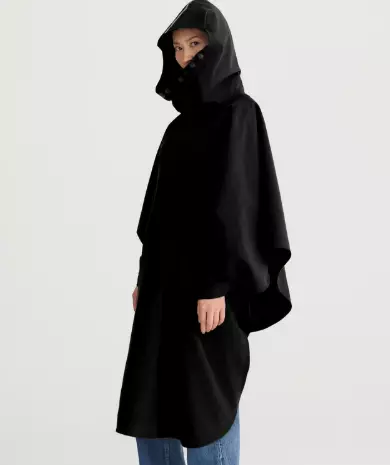
Cycling in the rain does not have to mean arriving soaked or uncomfortable. With the right outerwear, it is possible to continue commuting, running errands, or exploring the city while staying protected from changing weather. A well-designed poncho for bike can be a practical alternative to a conventional cycling jacket, particularly for riders who want generous coverage and easy movement.
Unlike fitted rain jackets, a poncho typically has a relaxed shape that can be worn over everyday clothing. This makes it useful for cyclists who do not want to change outfits before or after a rainy journey.
A poncho for bike is designed to provide broad coverage while allowing the rider to move naturally. Its loose construction can cover the upper body and, depending on the design, offer additional protection around the legs and handlebars.
For everyday cyclists, useful features can include:
The best option depends on how frequently you cycle, how severe the weather is, and whether you need rainwear mainly for commuting or longer recreational rides.
Cycling requires continuous movement through the shoulders, arms, and upper body. A restrictive jacket can make this movement feel uncomfortable, especially during longer journeys.
The relaxed shape of a poncho provides additional room around the upper body. This allows riders to move their arms naturally while steering and maintaining control of the bicycle.
A well-positioned hood can also help protect the head and neck without becoming a distraction. Adjustable features are particularly useful because they allow the garment to be secured according to the weather.
Rain does not only fall from above. Wet roads can create spray from bicycles, cars, and puddles, particularly during heavier rainfall.
A poncho with extended coverage can help protect more of your clothing from water and road spray. Longer designs can be particularly useful for commuters who want to keep trousers, skirts, or other everyday clothing drier.
However, coverage varies between designs, so consider the garment's length and construction before choosing one for regular cycling.
Yes. Cycling is active, and even a moderate ride can cause your body to generate heat and moisture.
A waterproof garment that does not allow moisture to escape may feel warm or clammy from the inside. Breathable technical materials can help release excess heat and moisture while keeping external rain away.
This is particularly useful for commuters who cycle for longer distances or ride at a faster pace.
One of the main benefits of a cycling poncho is its ability to fit over existing clothing.
You can wear it over jeans, trousers, dresses, skirts, workwear, or a sweater. The generous silhouette reduces the need to change into specialist cycling clothing before leaving home.
This makes a poncho especially convenient for people cycling to offices, appointments, shops, or social activities.
Not all cycling ponchos are designed in the same way. Before buying one, think about the conditions in which you will use it.
Look for features such as:
If you cycle in low-light conditions, visibility features may also be worth considering.
A versatile poncho does not need to remain in your cycling bag. Its relaxed design can also make it useful for walking, traveling, outdoor events, and everyday errands.
This versatility can make it a practical addition to a minimalist wardrobe. Instead of buying separate outerwear for every activity, one well-designed garment can protect in several situations.
For travelers, lightweight construction and easy storage are especially useful when weather conditions are uncertain.
Frequent cycling can put outerwear through repeated movement and exposure to rain, wind, and road conditions. Durable construction is therefore important if you expect to wear the garment regularly.
Strong stitching, quality fasteners, reliable fabric, and carefully finished seams can help extend the garment's useful life.
Choosing durable rainwear can also support a more considered approach to consumption because a garment that lasts longer does not need to be replaced as frequently.
Proper care can help preserve the performance of technical rainwear. Always follow the manufacturer's washing and drying instructions.
Avoid fabric softeners if they are not recommended for the fabric, as they can affect certain technical finishes. After riding in heavy rain, allow the garment to dry completely before storing it.
If the outer water-repellent finish becomes less effective over time, follow the manufacturer's recommendations for restoring it.
For many urban cyclists, a poncho can be a convenient solution because it is quick to put on, easy to layer, and provides generous coverage.
It can be particularly useful when rain is unpredictable. Rather than changing your entire outfit or carrying several layers, you can keep a lightweight poncho with you and put it on when necessary.
A poncho for bike can make wet-weather cycling more comfortable by combining generous coverage, freedom of movement, breathability, and easy layering. Whether you cycle to work, run errands, or explore the city, choosing practical features can help you stay prepared for changing conditions. BYBROWN combines functional rain protection with contemporary design to create versatile outerwear suited to active urban lifestyles.
Yes, provided the poncho has enough room for layering. Check the fit around the shoulders and arms to ensure you can still move comfortably.
Generally, yes. However, coverage and design can affect how comfortable it is on different bicycle styles, so consider your riding position and handlebar setup.
Look for adjustable closures, cuffs, or other fastening features that help secure the garment. A suitable fit can also reduce excessive movement.
Neither is universally better. A poncho offers generous coverage and easy layering, while a fitted jacket may provide a closer fit and greater freedom around the lower body.
Lightweight and packable designs can be convenient to carry in a backpack, especially when the weather forecast is unpredictable.


8.4K articles

2.7K articles

1.6K articles

34 articles








Comment