
Alerts
-
6 minutes, 37 seconds
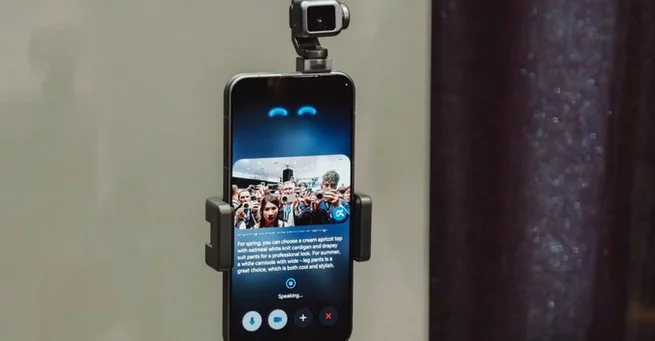
Curious about the Honor Robot Phone and whether it’s real or just a concept? The experimental device has now been shown working publicly, giving fans a clearer look at its robotic camera arm and AI features. Revealed during MWC 2026, the device blends smartphone hardware with robotic movement. While official specs remain limited, Honor confirmed a potential launch window later this year, likely starting in China.
At first glance, the so-called Robot Phone isn’t a fully robotic device. Instead, it’s a smartphone built around a mechanical camera system that unfolds from the back. This motorized arm acts as both a stabilizer and an expressive robotic element. The goal appears to be combining mobile photography with dynamic movement, something rarely seen in mainstream smartphones.
This mechanical design allows the device to physically move, adding personality to interactions. It can reportedly nod, tilt, or react during conversations, creating a more lifelike experience than standard AI assistants. That blend of hardware motion and AI behavior is what gives the device its “robot” identity.
The standout feature is the 200-megapixel main camera integrated into a miniaturized gimbal system. Honor claims the camera uses the smallest 4DoF gimbal currently available in a phone. If accurate, that would mark a significant advancement in mobile stabilization tech.
Unlike traditional optical stabilization, a multi-axis gimbal allows physical movement to counter shakes. This could lead to smoother video capture and more stable photography. Combined with AI tracking modes, the system is designed to follow subjects automatically, making it appealing for creators and vloggers.
A working prototype was demonstrated publicly, showing the camera arm unfolding and retracting. Observers confirmed that the device can move and hold simple AI-driven interactions. While not every feature was showcased, the mechanical movement alone proved the concept is functional rather than purely theoretical.
The demo hinted at future use cases beyond photography. The device reportedly reacts during conversations and can even “dance” to music. These playful features suggest Honor is experimenting with emotional AI experiences rather than purely practical hardware upgrades.
The Robot Phone isn’t just about hardware innovation. Honor is positioning it as a step toward more expressive AI devices. Demonstrations included animated interfaces with interactive visual elements, such as expressive eyes during conversations. This approach mirrors a broader industry shift toward more human-like digital assistants.
By combining motion and AI responses, the phone creates a sense of presence. That could redefine how users interact with devices, especially as AI companions become more common. If executed well, it could push smartphones closer to personal robotics.
Honor confirmed plans to release the Robot Phone in the second half of the year. However, early availability will likely be restricted to China. This limited rollout suggests the device may still be experimental or positioned as a niche product.
Regional launches are common for bold tech concepts. Companies often test new hardware in domestic markets before expanding globally. If reception is positive, a wider launch could follow in future iterations.
Interestingly, the Robot Phone was showcased alongside a small humanoid robot. While few details were shared, the pairing suggests a broader robotics strategy. Honor appears to be exploring interconnected devices that merge AI, robotics, and mobile computing.
This aligns with growing industry trends toward embodied AI. Instead of existing only in software, AI is increasingly being embedded into physical devices. Smartphones, with their sensors and processors, are natural platforms for that evolution.
Even if the Robot Phone remains niche, it signals where mobile innovation is heading. Smartphone upgrades have slowed in recent years, pushing brands to explore more experimental designs. Foldables, rollables, and now robotic components are part of this next wave.
By introducing mechanical movement into a phone, Honor is challenging traditional device boundaries. The concept blurs lines between smartphones, cameras, and robots. That kind of experimentation often shapes future mainstream features.
The Honor Robot Phone is still shrouded in mystery, with many specs yet to be confirmed. However, its working demo shows it’s more than a marketing stunt. A motorized camera arm, AI-driven personality, and robotics-inspired design make it one of the most unusual devices revealed this year.
Whether it becomes a commercial success remains unclear. Still, it represents a bold attempt to rethink how we interact with everyday technology. If nothing else, the Robot Phone proves the smartphone industry still has room for surprises.









Comment