
-
3 minutes, 44 seconds
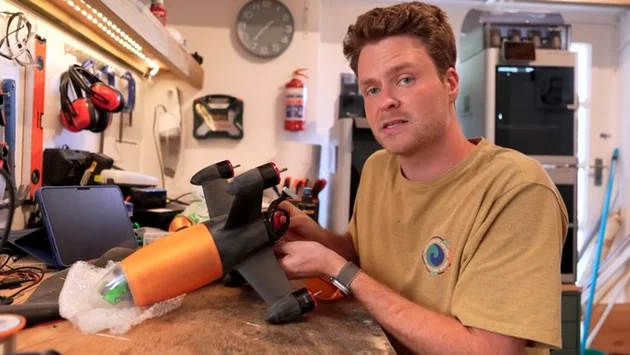
Drone enthusiasts are witnessing a new milestone as hobbyist developer Luke Bell, alongside his father, sets the world record for the fastest first-person-view (FPV) drone, reaching a breathtaking 408 miles per hour. This achievement answers a common question among drone fans: Can hobbyists compete with professional drone pilots? The Bells’ latest feat proves they can, combining ingenuity, precision engineering, and sheer determination to push the limits of FPV flight.
The Bells have been locked in a high-speed rivalry with both hobbyists and professionals for over a year. In June 2025, they first grabbed headlines by reaching nearly 300mph. Fellow content creator Samgo soon surpassed them at 346mph, igniting a heated wave of competition. Luke and his dad responded with a revamped drone hitting 363mph, only to see professional videographers Ben Biggs and Aiden Kelley soar ahead at 389mph. Each attempt raised the stakes, fueling innovation and fan excitement.
The latest drone design from the Bells is a marvel of small-scale engineering. Key upgrades include high-performance motors, a fully redesigned aerodynamic chassis, and carefully trimmed rotors to reduce drag. Cooling systems were enhanced to prevent overheating during extreme speeds, while lightweight materials allowed the drone to accelerate faster than any of its predecessors. The result: a 408mph flight that sets a new benchmark for hobbyist drones worldwide.
What makes this record particularly remarkable is the hobbyist angle. Traditionally, breaking such speed barriers required professional teams and expensive testing environments. Luke Bell’s achievement demonstrates how passion, creativity, and iterative design can rival—even surpass—professional capabilities. The Bells’ success has sparked discussions across drone communities, inspiring both new pilots and seasoned veterans to push the limits of FPV technology.
Interestingly, designs similar to the Bells’ high-speed drones have been spotted in military applications, such as Ukraine’s interceptor drone fleets. While hobbyist achievements remain civilian-focused, their breakthroughs in aerodynamics and motor efficiency could influence commercial and tactical drone engineering in the years to come. This crossover highlights the growing relevance of hobbyist innovation in real-world aviation and defense technologies.
The FPV drone scene is far from slowing down. With each record-breaking flight, engineers and hobbyists alike are motivated to experiment with even faster, more stable, and efficient drones. Luke Bell has hinted at further modifications, including lighter carbon components and advanced flight control systems, aiming to push past the 420mph mark. For fans of high-speed drones, the next record could be just around the corner.

2.5K articles

1.4K articles

34 articles

28 articles














Comment