Alerts

-
7 minutes, 47 seconds
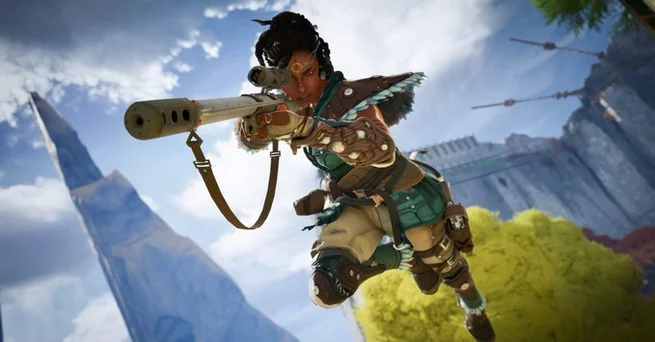
Highguard layoffs have stunned fans just over two weeks after the multiplayer shooter launched. Developer Wildlight Entertainment confirmed it has parted ways with “a number” of employees, while affected staff claim most of the team was let go. The move comes despite a strong launch day peak and heavy pre-release hype. Many players are now asking: Is Highguard in trouble, and what happens next?
The sudden cuts have sparked debate across gaming communities, especially given how recently the title debuted. For a studio built by veterans of major shooter franchises, expectations were sky-high. Now, uncertainty surrounds both the game’s future and the studio’s stability.
Wildlight Entertainment acknowledged the layoffs in a public statement, calling the decision “incredibly difficult.” According to the company, it is retaining a core group of developers to continue supporting and improving Highguard. The studio emphasized pride in the team’s work and gratitude toward players who have joined the community.
However, posts from former employees paint a more dramatic picture. Some departing team members described the cuts as affecting “most of the team,” suggesting a deeper restructuring than the official statement implies. The discrepancy has fueled speculation about internal challenges.
Layoffs so soon after a game launch are rare, especially for a live-service shooter that depends on ongoing updates. That timing is what has made this story particularly striking within the industry.
Highguard launched with significant buzz. Announced with a splashy reveal and marketed as a fresh take on the team-based shooter formula, it quickly gained traction. On launch day, the game reportedly reached nearly 100,000 concurrent players on Steam—an impressive milestone for a new IP.
Yet momentum didn’t last.
Within weeks, concurrent player counts dropped sharply. At the time of reporting, active players had fallen to just a few thousand. While early player peaks often settle after launch week hype fades, this decline appeared steeper than expected.
Player reviews also reflected mixed reactions. Although some praised the gunplay and polish, others criticized balance issues and limited content. For live-service games, early perception can make or break long-term engagement.
Highguard initially launched with three-player teams as its core format. Shortly after release, Wildlight introduced a limited-time 5v5 mode. That experiment quickly became permanent, signaling that the studio was responding rapidly to player feedback.
While fast adaptation can be a positive sign, it can also indicate reactive design decisions under pressure. For competitive shooters, stability and clarity of vision are essential to retaining players. Sudden structural changes sometimes create confusion rather than confidence.
Industry analysts note that early course corrections are common in online games. However, layoffs occurring at the same time suggest deeper operational recalibration.
The Highguard layoffs highlight a broader challenge in today’s gaming market: launching a new live-service shooter is incredibly risky. Established franchises dominate player attention, leaving little room for newcomers.
Even with experienced developers behind the project, breaking into a saturated market requires sustained engagement, consistent content updates, and strong community support. Early player spikes are encouraging, but retention determines long-term success.
Monetization strategies, balance patches, and content roadmaps must align quickly. If engagement metrics dip too fast, publishers and studios often move to cut costs. That appears to be the reality Wildlight is now facing.
The situation mirrors a wider trend across the industry, where studios have become more cautious about long-term investment in new IPs that struggle to maintain momentum.
Players have responded with a mix of sympathy and concern. Many expressed support for affected developers, recognizing the volatility of game development. Others worry about what the cuts mean for future updates.
Live-service communities thrive on communication and transparency. Silence or ambiguity can erode trust quickly. Wildlight’s promise to continue supporting the game may reassure some fans, but ongoing updates will be the true test.
The question on many players’ minds is whether Highguard can recover. Some online shooters have staged remarkable comebacks after rocky starts. Others quietly fade away.
Wildlight says a core team remains dedicated to innovating and supporting Highguard. That suggests continued patches, balance updates, and potential content expansions. However, a smaller team could mean slower rollout schedules.
For players still invested, the coming months will be critical. If updates arrive consistently and address early concerns, the game could stabilize. Competitive seasons, new modes, or expanded maps might reignite interest.
On the business side, restructuring often signals a shift toward sustainability. Trimming operational costs can extend a game’s runway, giving it more time to find its audience.
Still, rebuilding player confidence is harder than generating launch hype.
Highguard was meant to establish Wildlight as a major new force in multiplayer gaming. Instead, the studio now faces its first major test. Early layoffs create reputational challenges, but they don’t necessarily mark the end of a project.
The gaming industry has seen surprise turnarounds before. Strong community engagement, consistent updates, and strategic pivots can reshape a title’s trajectory. Whether Highguard follows that path remains to be seen.
One thing is clear: the Highguard layoffs have transformed what was once a celebratory launch window into a moment of uncertainty. For fans, developers, and industry observers alike, the next chapter will determine whether this shooter becomes a comeback story—or a cautionary tale.










Comment