Alerts

-
8 minutes, 6 seconds
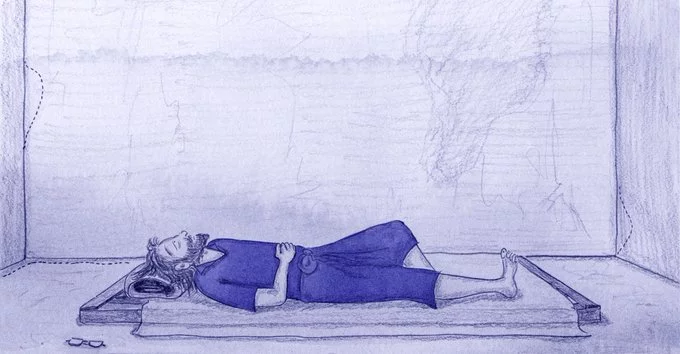
Hand-drawn comics are finding new life on the web, and few projects show this evolution better than Amy Kurzweil’s latest collaboration. The prize-winning cartoonist teamed up with journalist Danny Fenster to transform his six-month imprisonment during Myanmar’s 2021 coup into a deeply immersive digital comic. Readers searching for how traditional illustration adapts to interactive platforms — or how personal stories become visual journalism — will find this project a powerful case study in modern storytelling.
Hand-drawn comics have long been associated with print pages, Sunday papers, and graphic novels. Yet digital publishing has opened new doors for illustrators willing to experiment. In this ambitious long-form feature published by The Verge, Amy Kurzweil reimagined what an online comic could look and feel like.
Rather than abandoning pencil and paper for sleek digital shortcuts, Kurzweil doubled down on analog craft. Every frame began with graphite on paper, later layered and adapted for a scrolling, interactive reading experience. The result blends the intimacy of hand-drawn art with the depth and pacing of digital design.
This hybrid approach reflects a broader shift in visual journalism. Audiences increasingly expect immersive, multimedia experiences — but they still crave authenticity. Kurzweil’s process proves the two aren’t mutually exclusive.
Amy Kurzweil is no stranger to personal, layered narratives. Known for award-winning graphic memoir work and contributions to The New Yorker, she frequently explores themes of family, history, and memory. Her previous projects have examined generational trauma and even the use of AI to reconstruct lost voices.
With Danny Fenster’s story, however, the stakes were uniquely intimate. Fenster, an American journalist jailed during Myanmar’s military coup, is not just a subject — he’s Kurzweil’s cousin. That familial connection shaped both the emotional weight and ethical responsibility behind the project.
Telling someone else’s trauma demands restraint and empathy. Kurzweil approached the narrative not as an outside observer but as someone who had experienced months of uncertainty alongside her family. The result feels careful, deeply researched, and human.
During the 2021 military takeover in Myanmar, Danny Fenster was detained and later sentenced by the ruling junta. He spent six months imprisoned as a political detainee before his eventual release. Throughout that time, he endured isolation, fear, and monotony — surviving partly through meditation and audio content smuggled in on an SD card.
Translating that lived experience into a digital comic required more than illustration skills. It demanded structure, pacing, and thoughtful integration of text and imagery. The interactive format allows readers to scroll through scenes that linger on stillness — sparse prison rooms, repetitive routines, and interior reflections.
Unlike fast-cut video or headline-driven news coverage, the comic format slows readers down. That intentional pacing mirrors the drawn-out experience of incarceration itself, creating empathy through design rather than spectacle.
One of the most striking aspects of this project is Kurzweil’s commitment to pencil. In an era dominated by digital brushes and vector graphics, she relied on traditional drawing tools to create textured, multilayered scenes.
Graphite offers nuance that digital effects often struggle to replicate. Subtle shading communicates claustrophobia. Smudged tones evoke uncertainty. Sparse line work leaves space for reflection. When adapted for web presentation, these details retain their tactile quality while benefiting from digital layering and scrolling transitions.
This approach highlights a key lesson for creators: technology should amplify artistic voice, not erase it. Kurzweil used digital tools as a delivery mechanism, not as a replacement for her craft.
Reporting on imprisonment — especially within one’s own family — introduces unique challenges. Kurzweil has spoken about the tension between curiosity and care. She wanted to understand the granular details of Fenster’s time behind bars, but she also recognized the emotional cost of revisiting trauma.
Ethical storytelling requires collaboration, consent, and shared ownership. Fenster was not merely a subject being depicted; he was a creative partner. That dynamic shifts the tone from extraction to cooperation.
This collaborative method aligns with evolving standards in narrative journalism. Audiences increasingly value transparency and authenticity. Projects like this succeed because they foreground the human voice at the center of the story.
Digital comics are becoming a powerful tool in long-form journalism. They combine the accessibility of visual storytelling with the depth of investigative reporting. On mobile devices especially, scrolling comics feel intuitive and immersive.
Platforms that prioritize design-forward storytelling are investing more in illustrated features because they capture attention in crowded feeds. Emotional visuals often travel further than dense blocks of text alone. For Google Discover and other content surfaces, visually distinctive formats stand out.
Kurzweil’s work demonstrates how hand-drawn comics can thrive online without losing their soul. By integrating thoughtful art direction, narrative pacing, and responsive web design, creators can craft experiences that feel both intimate and expansive.
This collaboration signals a larger shift in how stories are told online. Readers no longer separate journalism, art, and interactive design into rigid categories. They expect hybrid formats that feel engaging yet credible.
Kurzweil’s project meets those expectations by balancing emotional storytelling with journalistic rigor. It honors Fenster’s lived experience while leveraging the creative possibilities of digital publishing.
For aspiring illustrators and journalists, the takeaway is clear: traditional skills remain powerful in a digital-first world. The web doesn’t demand abandoning craft — it invites reinvention.
As hand-drawn comics continue evolving beyond print, projects like this prove that pencil lines can carry just as much weight on a glowing screen as they do on paper.








Comment