Alerts

-
6 minutes, 37 seconds
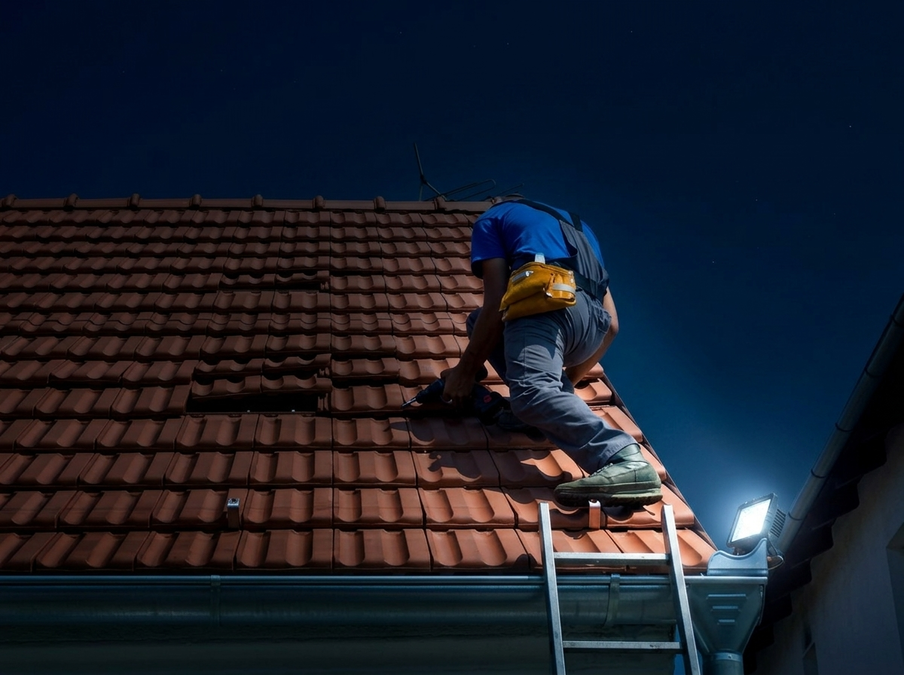
Gutters and fascias are easy to overlook, but they play an important role in protecting a property's roofline and directing rainwater away from the building. When these components become cracked, blocked, loose, or deteriorated, the resulting water damage can affect more than the exterior. For homeowners considering Gutters & Fascias in Hull, understanding what these systems do and when they need attention can help prevent minor defects from becoming larger roofing problems.
A properly functioning roofline system works as part of the wider building envelope. Gutters collect rainfall from the roof, while fascias provide support along the roof edge and can also help create a neat, finished appearance.
Rainwater needs to be controlled effectively. Without suitable drainage, water can run down walls, collect around foundations, or reach parts of the roof structure where it can cause deterioration.
Gutters collect water as it runs from the roof covering. They then direct it towards downpipes, which carry the water safely away from the property.
Common gutter problems include:
Even a relatively small defect can become troublesome if water repeatedly escapes in the wrong location.
Fascia boards are installed along the lower edge of a roof. They can support guttering and provide a finished transition between the roof and the exterior wall.
Damaged fascias may show signs such as:
Because guttering is often attached to the fascia, deterioration in one component can eventually affect the other.
Roofline problems are not always obvious from inside the property. Regular visual checks can help identify warning signs before significant damage develops.
Look for:
A single overflowing gutter during exceptionally heavy rainfall does not necessarily mean the entire system needs replacement. The underlying cause should be identified first.
Whether gutters or fascias should be repaired or replaced depends on their condition and the extent of the problem.
Repair can make sense when the damage is localised. For example, a single damaged joint, loose fixing, or minor section may be addressed without replacing the entire roofline.
Replacement may be worth considering where deterioration is widespread, materials have become brittle, or multiple sections are failing.
A professional assessment can help determine whether a targeted repair is sufficient or whether replacing the affected roofline components would provide a more reliable solution.
Different guttering materials have different characteristics, so the right choice depends on the property and project requirements.
uPVC is commonly used for residential guttering because it is relatively lightweight and available in various profiles and finishes. It can also be practical for straightforward replacement projects.
Metal systems can offer a different appearance and may be suitable where a particular architectural style or specification calls for them. The choice of metal, finish, fixings, and maintenance requirements should all be considered.
The most suitable option is not necessarily the most expensive material. Compatibility with the building, roof design, drainage requirements, and installation details matter just as much.
Gutters and fascias should be considered as connected components rather than completely separate products.
The fascia can provide the fixing point for the guttering, meaning a deteriorated fascia may make it difficult to keep gutters securely positioned.
During replacement work, it is therefore important to inspect the supporting structure before attaching new guttering. Installing new gutters onto a weakened or damaged fascia may simply transfer the problem rather than solve it.
Downpipes are equally important. A clean, well-aligned gutter is of limited use if the downpipe is blocked, damaged, or unable to discharge water effectively.
The complete drainage route should therefore be considered when investigating overflowing or leaking gutters.
There is no single price for gutter and fascia work because every property is different.
Factors that can affect the cost include:
A straightforward section replacement will usually involve different requirements from a complete roofline renewal.
A written quotation should make clear what materials and labour are included so that different options can be compared fairly.
Regular maintenance can help extend the useful life of a roofline system and identify problems early.
Gutters should be checked periodically for leaves, moss, silt, and other debris. Downpipes and outlets should also be kept clear so rainwater can move freely.
It is worth checking roofline components after periods of severe weather, particularly if there has been strong wind or unusually heavy rainfall.
Never put yourself at risk by climbing onto a roof or using unsuitable ladders. If roof-level inspection is required, use appropriate equipment or arrange a professional assessment.
Gutter and fascia work may appear straightforward, but proper alignment, fixing, drainage, and roof-edge detailing all matter.
When comparing contractors, ask:
A contractor should be able to explain the proposed work clearly rather than simply recommending replacement without identifying the underlying issue.
The required frequency depends on the property's surroundings. Homes near trees may collect more leaves and debris, while other properties may need less frequent cleaning. Regular visual checks can help establish when cleaning is necessary.
Blocked outlets, accumulated debris, poor alignment, damaged sections, and restricted downpipes can all contribute to overflowing. The cause should be identified before deciding on a repair.
Minor localised damage may sometimes be repairable. Where deterioration is extensive or the material has lost its structural integrity, replacement may be more appropriate.
Not necessarily. If the existing fascias remain sound and can securely support the new guttering, they may not need replacement. Their condition should be checked first.
Visible drips from joints, water marks on walls, damp areas beneath the gutter, or water escaping from unexpected locations during rainfall can indicate a leak.
Yes. New guttering still needs periodic inspection and cleaning. Keeping outlets and downpipes clear helps the system continue directing rainwater effectively.
Well-maintained gutters and fascias form an important part of effective roof drainage. Addressing blocked gutters, damaged supports, leaking joints, or deteriorated fascia boards early can help prevent water from reaching areas where it can cause more extensive problems.
If you need advice from a Roofing company in Hull East Riding Yorkshire about your property's gutters, fascias, or wider roofline, a professional inspection can help identify the cause of the problem and determine whether repair or replacement is the most appropriate option.





Comment