Alerts

-
4 minutes, 31 seconds
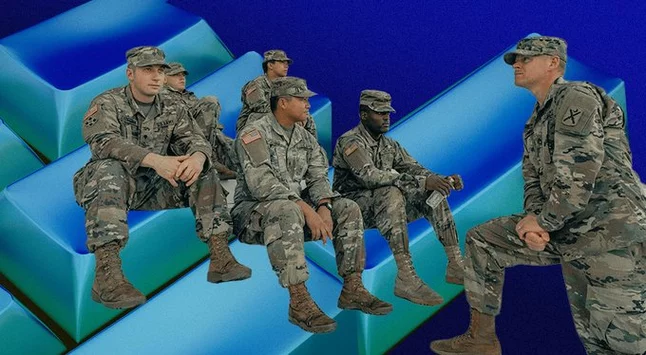
Elon Musk’s AI chatbot, Grok, is set to operate inside the Pentagon, alongside Google’s generative AI engine, as the Defense Department seeks faster ways to process and analyze vast amounts of military data. Officials believe adopting advanced AI tools can modernize US defense capabilities, keeping pace with rapidly evolving global threats. Many analysts have asked how the Pentagon plans to merge civilian AI technology with sensitive military operations, and Grok’s rollout offers a glimpse into the future of AI in defense.
Defense Secretary Pete Hegseth remarked Monday that the military’s process for adopting new technologies has “not kept up with the times.” Speaking at SpaceX’s Starbase in South Texas, Hegseth emphasized that US defense must win the strategic competition for 21st-century tech supremacy. His visit, part of the “Arsenal of Freedom” tour, showcased the Pentagon’s focus on AI, autonomous systems, hypersonics, biotech, space capabilities, and long-range drones. The secretary framed these technologies as critical to ensuring national security against emerging global adversaries.
During the visit, Elon Musk welcomed Hegseth with a bold statement: “We want to make Star Trek real.” The exchange ended with Hegseth mimicking the iconic Vulcan salute, a nod to the sci-fi series that has long inspired visions of future technology. Musk’s enthusiasm underscores SpaceX and his AI ventures’ ambitions to blend civilian innovation with defense applications, raising curiosity about how far AI could transform military strategy.
The Pentagon confirmed that Grok AI will go live later this month, feeding military data into its systems to improve analysis and decision-making. Officials insist the AI will assist in tasks ranging from logistics planning to strategic simulations, streamlining processes that traditionally took weeks. This initiative positions the US military to explore AI-driven advantages while navigating ethical and operational risks inherent in integrating generative AI into defense operations.
Hegseth stressed the urgency of maintaining US technological dominance over rival nations. He argued that AI and autonomous technologies are no longer optional—they are essential for national security. Analysts note that adopting Grok AI alongside other platforms reflects a broader Pentagon trend: leveraging commercial innovations for military purposes while ensuring data security. The integration could serve as a model for future AI adoption across defense networks worldwide.
While Grok AI promises efficiency and speed, cybersecurity experts highlight potential risks, including AI-generated errors and the need for oversight. The Pentagon plans rigorous testing and monitoring to prevent misuse or unintended consequences. By combining commercial AI ingenuity with structured military oversight, the Defense Department aims to balance innovation with caution.
The Pentagon’s move to deploy Grok AI signals a turning point in how the US approaches defense technology. From automated intelligence processing to futuristic simulations inspired by sci-fi visions, AI is poised to reshape the battlefield. As Musk and the Pentagon push forward, observers are left wondering just how transformative generative AI will be for 21st-century warfare.










Comment