Alerts

-
2 minutes, 27 seconds
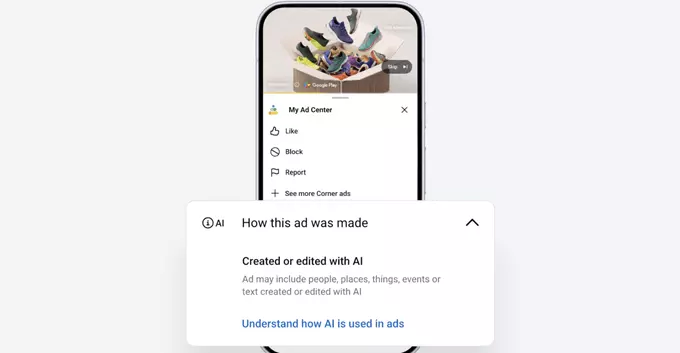
Google has announced a major transparency update: it will now clearly label ads created or heavily edited using artificial intelligence. This move aims to help users spot AI-generated content in advertising, building trust and clarity in digital marketing. If you've ever wondered whether a sleek ad was made by a human or a machine, Google's new policy gives you the answer—right on the ad itself.
As AI tools become more common, the line between human-made and machine-made ads is blurring. Google's update requires advertisers to disclose when their ads use AI to generate images, video, or audio. This is a big step in fighting misinformation and protecting consumers from deceptive advertising.
For advertisers, this means more responsibility. If you use AI to generate ad images, write copy, or create voiceovers, you must clearly label the content. For users, this is a win: you can now make informed decisions about the ads you see.
Google defines AI-generated content as any ad element created or significantly modified by generative AI tools. This includes:
Simple edits like cropping or color correction don't require a label. But if the core creative work is AI-driven, it must be disclosed.
If you run Google ads, here's how to adapt:
Google's move sets a new standard for ad transparency. Other platforms like Meta and TikTok may follow suit. This could lead to a more honest advertising ecosystem where users trust what they see. For brands, being upfront about AI use can actually build credibility and loyalty.
Google's new AI labeling policy is a game-changer. It empowers users to tell the difference between human and machine-made ads, and it pushes advertisers to be more honest. Whether you're a casual internet user or a marketing professional, this update makes the digital world a little clearer. Stay informed, and always check for the label.









Comment