
Alerts
-
3 minutes, 9 seconds
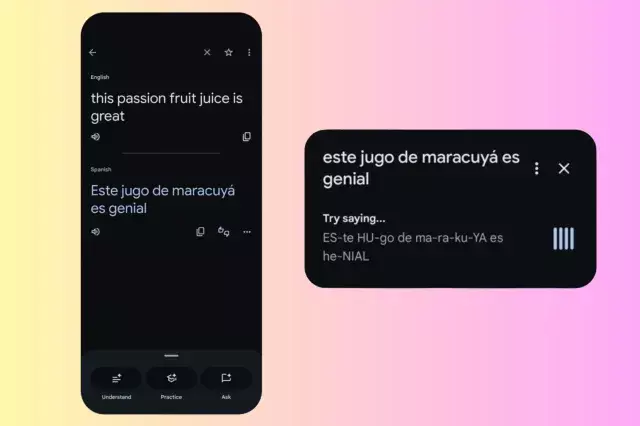
Google Translate has introduced a powerful new feature: AI-powered pronunciation practice. This tool analyzes your speech and gives real-time corrections, helping you learn languages more effectively. Whether you're a beginner or brushing up on skills, this update makes language learning easier and more interactive.
The feature uses artificial intelligence to listen to your voice. When you speak a word or phrase into Google Translate, the AI compares your pronunciation to the correct native version. It then provides feedback on what you need to improve, such as tone, stress, or specific sounds.
Learning pronunciation is often the hardest part of a new language. Many apps teach vocabulary and grammar, but few offer personalized speech coaching. Google Translate's AI fills this gap, making it a valuable tool for travelers, students, and professionals.
To maximize your learning, start with common words and phrases. For example, practice greetings like "hello" in Spanish or "thank you" in French. Repeat each word several times, paying attention to the AI's feedback. Over time, move to longer sentences to improve fluency.
Also, combine this tool with other resources. Use Google Translate to check translations, then practice the pronunciation separately. This dual approach reinforces both understanding and speaking skills.
The pronunciation feature currently supports major languages like Spanish, French, German, Italian, and Japanese. Google plans to expand to more languages soon. Check the app for updates on new additions.
Google Translate's AI pronunciation practice is a game-changer for language learners. It turns your device into a personal speech coach, helping you speak more naturally and confidently. Try it today and see how quickly your pronunciation improves.








Comment