
Alerts
-
3 minutes, 1 second
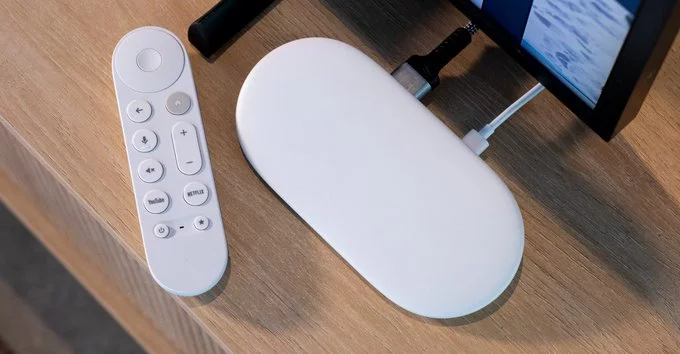
Google has quietly raised the price of its streaming device, a move that takes effect immediately for new purchases. The adjustment follows similar price hikes recently implemented by Apple and Amazon for their own streaming hardware. While Google did not provide a public explanation for the change, the company has updated the listed price across its official online store. The increase applies to the current model, meaning any customer who adds the device to their cart today will see the higher price at checkout. This shift places Google in line with its major competitors, all of which have now raised entry-level costs for their streaming players. For consumers who were considering a purchase, the new pricing is already active, with no grace period or discount for existing orders. The move suggests that component costs or supply chain pressures may be influencing pricing strategies across the industry, though Google has not confirmed specific reasons.
The price increase amounts to $20, bringing the cost from $99.99 to $119.99. This is a notable jump for a streaming device, but it’s not an outlier in the market. In fact, this new price point matches the current cost of the Apple TV 4K and the Amazon Fire TV Cube.
For consumers, this means the device now sits in a more premium tier. While $20 may not seem drastic on its own, it represents a 20% increase over the original price. You are now paying the same amount as you would for some of the most feature-rich competitors on the market.
As you weigh your options, consider what this new price means for your budget. The question is no longer just about the device’s features, but whether it justifies a cost now equal to its top rivals.
The price hikes are not arbitrary; they stem from a confluence of increased component costs and persistent supply chain issues. Major manufacturers, including Google, Apple, and Amazon, have all publicly cited these same factors as the primary drivers behind their recent price adjustments. The cost of essential semiconductors and memory chips has soared, directly impacting the bill of materials for devices like the Chromecast and Apple TV.
Furthermore, logistical bottlenecks and shipping delays continue to inflate the cost of getting these products to market. As these tech giants face higher overheads for manufacturing and distribution, they are passing those expenses along to consumers. This is a clear signal that the era of ultra-cheap streaming hardware may be cooling off, as the underlying economics of production have fundamentally shifted.
For consumers, the immediate consequence is straightforward: you will need to pay more for a new streaming device. The higher price tag reflects not just this single product but broader trends in the tech industry, including persistent supply chain costs and increased investment in more powerful components. However, the market still offers budget-friendly alternatives. If the new price point exceeds your comfort zone, you can still find capable devices from competitors or older models that perform well for basic streaming needs.
Before you upgrade, consider whether the latest features justify the added expense. For many households, a mid-range device still delivers excellent picture quality and access to all major apps. The key is to compare specifications against your actual usage. As prices climb across the board, it becomes more important than ever to evaluate what you truly need rather than simply grabbing the newest option. Ultimately, while the cost of entry has risen, smart shoppers can still find value by focusing on functionality over novelty.










Comment