
Alerts
-
7 minutes, 13 seconds
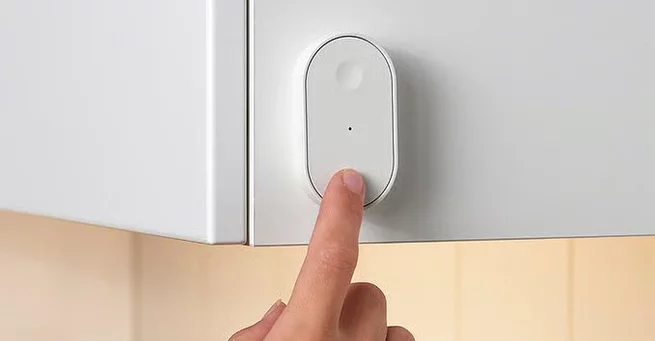
Google Home buttons are finally here, answering one of the most common questions smart home users have asked for years: Can I control my home without my phone or voice? A new Google Home update adds native support for programmable buttons and switches, allowing users to trigger automations with a simple press. This long-awaited feature brings Google Home closer to rival platforms and makes smart homes faster, more reliable, and easier to use for everyone.
Google Home has officially introduced support for physical buttons as automation triggers, marking a major shift for the platform. According to the latest update notes released in early February, users can now create automations that start when a “switch or button is pressed.” This means a physical interaction can directly control smart devices without opening an app or speaking a command.
For many users, this update fixes a long-standing gap. While Google Home excelled in voice control, it often struggled to offer fast, tactile alternatives. Buttons solve that problem by offering instant responses, especially useful in busy households or shared spaces where voice commands are unreliable.
Smart buttons are small, programmable switches that trigger actions in a smart home when pressed. Depending on the model, a single button can support multiple actions such as single press, double press, or long press. Each press type can activate a different automation, making one button surprisingly powerful.
These buttons can be used to turn lights on or off, open or close blinds, start bedtime routines, or launch cleaning cycles on robot vacuums. Because they are often wireless and battery-powered, they can be placed almost anywhere, from walls and nightstands to entryways and desks.
Voice assistants and mobile apps are convenient, but they are not always ideal. Voice commands can fail in noisy environments, and apps can feel slow when you just want quick control. Physical buttons provide instant feedback and reliability, especially for guests, children, or older family members.
With buttons, smart homes feel more intuitive. A single press can replace multiple steps, reducing friction and making automations more accessible. This update makes Google Home more inclusive by supporting users who prefer tactile interaction over voice-first experiences.
Until now, the lack of button support made Google Home feel behind the curve. Many other smart home ecosystems already allow users to trigger automations using physical switches. The arrival of a universal connectivity standard has also made buttons easier to integrate across brands and device types.
By supporting generic programmable switches, Google Home now aligns better with modern smart home expectations. Users can connect compatible buttons and assign them to routines without complex workarounds or third-party hacks.
The new functionality appears as a starter condition within the Google Home automation system. When setting up a routine, users can choose a compatible switch or button as the trigger. Once pressed, the button can activate multiple actions, such as adjusting lighting, controlling media, or managing appliances.
This integration works within Google Home’s existing automation framework, meaning users can combine button presses with time-based or location-based conditions. That flexibility opens the door to more advanced routines that feel personalized and practical.
For daily routines, buttons can dramatically improve convenience. A bedside button can turn off all lights and lock doors at night. A button near the front door can trigger a “leaving home” routine, shutting down devices and saving energy. In kitchens or offices, buttons offer quick control without interrupting tasks.
This update also benefits accessibility. Physical buttons are easier to use for people who struggle with voice commands or touchscreens. By supporting multiple input methods, Google Home becomes more adaptable to real-world needs.
Adding button support signals that Google Home is focusing more on practical usability rather than voice-only control. The update shows a shift toward flexible, multi-input smart homes where users can choose how they interact with their devices.
As smart homes grow more complex, simplicity becomes more valuable. Buttons reduce cognitive load and make automation feel natural instead of technical. This move suggests Google is paying closer attention to user feedback and everyday friction points.
In 2026, smart home users expect reliability, speed, and choice. Google Home buttons deliver all three by enabling fast, physical control that complements voice and app interactions. This feature closes a major gap and makes Google Home more competitive in a crowded smart home landscape.
For users who have waited years for this update, the change feels overdue but impactful. Buttons may be small, but their effect on usability is huge. With this update, Google Home finally feels like a complete smart home platform rather than a voice assistant with limitations.
As more compatible devices roll out, button-based automations are likely to become a core part of everyday smart living. Google Home buttons are no longer missing — and that changes everything.










Comment